
REVIEW · JAPAN
Traditional Concert in Public bath near Kyoto Station
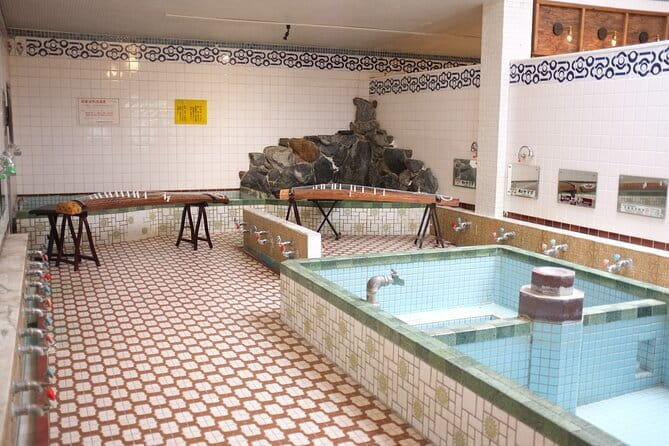
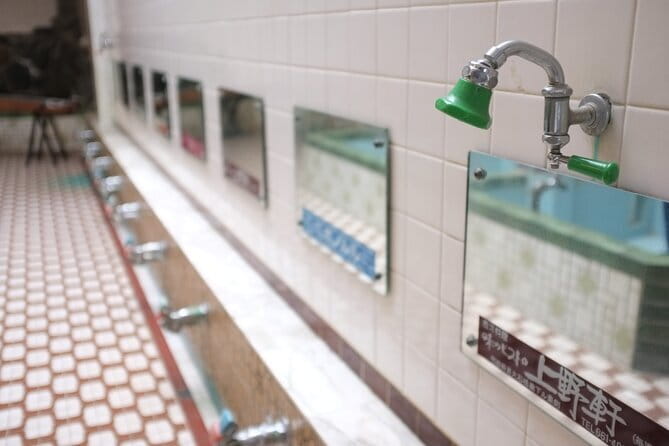
Kyoto has a bathhouse made for music. This one-hour concert takes place at Kujo-yu, a former Japanese sento near Kyoto Station that has been carefully renovated. Its tiled walls and high ceilings give the koto and shamisen a sound you would not get in a standard concert room.
I like the unusual setting, and I like the changing program, which can include classical Japanese works, newer arrangements, and original pieces. The main consideration is the short length: at about one hour, this is a focused cultural stop rather than a full evening out, and coffee, tea, and transportation are not included.
- A former sento becomes the concert hall, with tiled surfaces and high ceilings that shape the music.
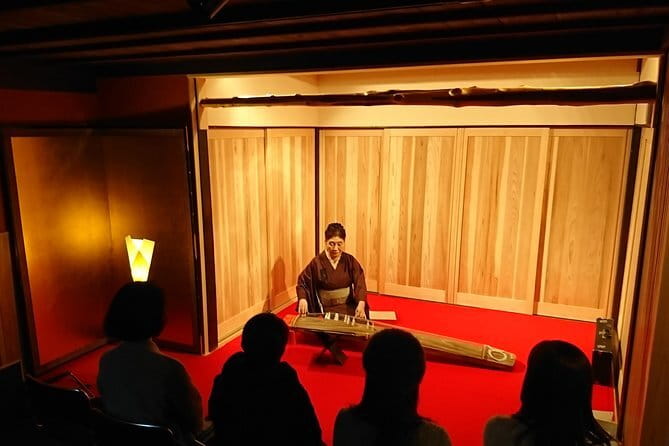
- Koto and shamisen are the main instruments, offering a close listen to two important Japanese musical traditions.
- The program changes with the season and performers, so the exact pieces are not fixed.
- The venue is near Kyoto Station, making it easy to add before or after other sightseeing.
- The $32.52 price buys an intimate cultural experience, not a long performance or a meal.
- A mobile ticket and free cancellation up to 24 hours ahead make planning fairly simple.
Why Kujo-yu Makes the Music Special
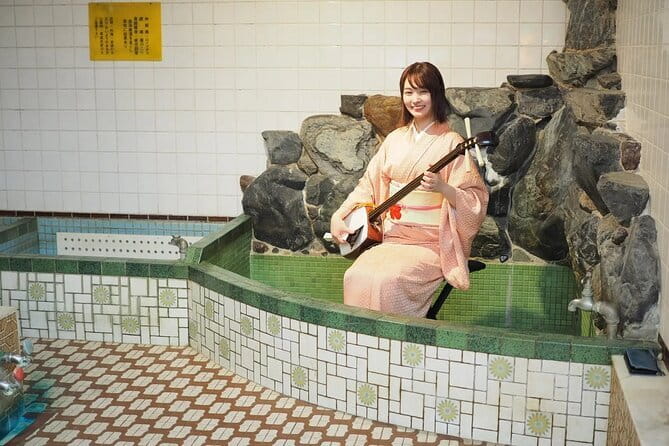
The location does much of the work here. Kujo-yu was built as a Japanese public bathhouse, and its renovation keeps the features that give the place its character. You are not sitting in a generic theater. You are hearing music in a space designed around tile, height, and open sound.
That matters for the instruments. The koto has a clear, delicate tone, while the shamisen can sound sharper and more percussive. In a room with hard tiled surfaces and a high ceiling, each note can carry through the space. The venue’s structure lets you notice the way the sound lingers and joins with the room.
I especially like this kind of setting because it connects the performance to everyday Japanese life. A public bathhouse was once a neighborhood meeting place, cherished by the local community over many years. Now the building has a new role, but it still gives the concert a strong sense of place.
The bathhouse is also a useful reminder that cultural experiences do not always need grand monuments or formal halls. Sometimes the most memorable stop is a modest local building used in an unexpected way.
What You Hear: Koto, Shamisen, and Changing Programs
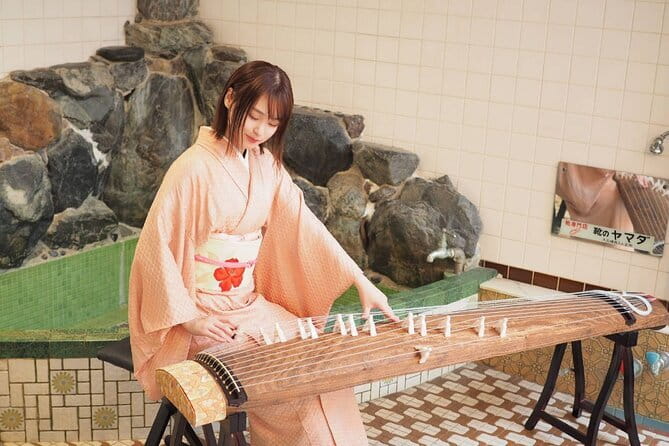
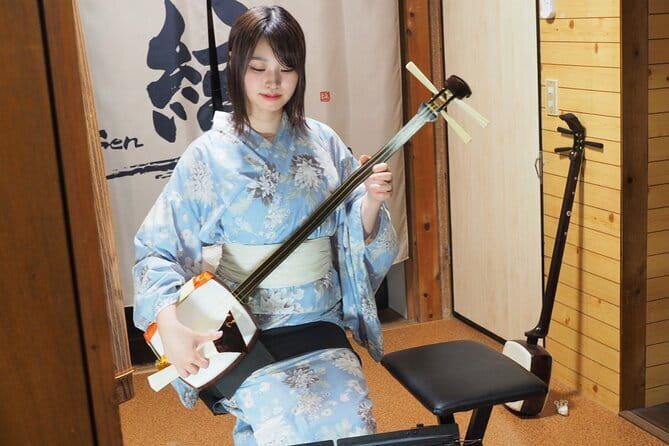
The concert centers on the koto and shamisen, two instruments with very different personalities. The koto is a long stringed instrument with a bright, graceful sound. The shamisen is a three-stringed instrument with a more direct, rhythmic voice.
Together, they allow the program to move between quiet, finely detailed passages and stronger, more energetic sections. The setting gives you a chance to listen for those contrasts instead of treating traditional music as one single style.
The repertoire is not locked into one historical period. You might hear classical Japanese masterpieces, contemporary arrangements, or original compositions. The exact selection changes according to the season and the performers, so each presentation can have its own character.
That variety is a real advantage if you are curious about Japanese music but do not already know what you like. You are not being asked to sit through a narrow demonstration of one form. Instead, the program can show how traditional instruments work with older material and newer ideas.
The tradeoff is predictability. You cannot choose the exact pieces in advance, and the available information does not promise a particular song list. If you need a set program before booking, this may feel a little uncertain. If you are happy to let the musicians shape the hour, the changing repertoire is part of the appeal.
More Live Music around Japan:
- Kyoto: Traditional Concert at Townhouse or Bathhouse
★ 4.9 · 224 reviews - Experience the Asakusa Kabuki Opera Show!
★ 5.0 · 99 reviews - Japanese Traditional Music Show in Tokyo
★ 5.0 · 72 reviews
Entering a Former Public Bathhouse
Kujo-yu is the sort of place where the building remains part of the performance. The tiled walls and tall ceiling are not simple decoration. They affect the sound, the mood, and the way you understand the building.
A former sento also gives the concert a sense of local memory. The venue has been cherished by the surrounding community, and its continued use makes the experience feel connected to Kyoto beyond the usual temples and gardens.
You may find that the room attracts your attention before the music begins. Look at the surfaces, the height of the space, and the way the old bathhouse design has been reused. The building helps explain why the concert feels different from a performance held in a hotel lounge or modern auditorium.
The intimate nature of the event is another strength. The available description presents it as a close and personal concert, not a large production. That makes it easier to focus on the instruments and the unusual acoustics.
Still, do not book this expecting a full bathhouse visit. The listed experience is a concert at the renovated site. There is no indication that bathing, a meal, or a guided tour of the building is included.
The One-Hour Format and How to Fit It Into Kyoto
The performance lasts about one hour. That is long enough to give the instruments and venue proper attention, but short enough to fit neatly into a busy Kyoto schedule.
I see this as a good choice between larger sightseeing plans. You can place it near the start or end of a day around Kyoto Station without giving up half a day. The nearby public transportation is useful when you are moving between neighborhoods or continuing to another appointment.
The short format also helps if you are testing the waters with traditional Japanese music. You get a concentrated introduction rather than a lengthy program that may feel demanding if you are new to the style.
There is one practical limitation. Since coffee and tea are not included, you should not think of the ticket as a concert-and-refreshment package. Plan your drink or meal separately before or after the performance.
Private transportation is also not included. That is not a major problem for this location, since it is near public transportation, but you will need to make your own way to Kujo-yu.
Is $32.52 Good Value?
At $32.52 per person, this is not the cheapest cultural activity in Kyoto. But price alone does not tell the full story. You are paying for a live performance, an unusual historic setting, and an hour of focused listening near one of the city’s main transport areas.
The value is strongest if you care about place as much as performance. A standard concert featuring koto and shamisen might give you the music, but this experience adds the former bathhouse, the tile, the community connection, and the distinctive acoustics.
It is also a sensible purchase for a short itinerary. You do not need to commit an entire evening, and the location can work around other plans. If you have already spent heavily on major Kyoto attractions, you may want to compare this with other evening activities. But for a single, memorable cultural stop, the price is reasonable.
The perfect 5 out of 5 rating from five published ratings reflects the strongest part of the experience: its unusual setting and the chance to hear traditional instruments in a place that feels genuinely different. I would give those factors more weight than the modest length.
Same city, a different sound:
- Traditional Japanese Music show & Experience Tour in Kyoto
★ 5.0 · 57 reviews - Concerts Played with Traditional Instruments in Kyoto
★ 5.0 · 50 reviews - Kyoto: Japanese Koto & Shamisen Concert and Koto Class
★ 4.9 · 31 reviews - Traditional Japanese Music show & Experience Tour in Osaka
★ 5.0 · 25 reviews
Who Will Enjoy This Concert Most?
I would recommend this to anyone who wants more than the standard Kyoto checklist. The concert suits you if you enjoy music, historic buildings, local culture, or carefully reused spaces.
It is especially good for:
- First-time visitors who want a simple introduction to koto and shamisen.
- Repeat visitors who have already seen major temples and want a different side of Kyoto.
- Couples looking for a quiet cultural activity.
- Solo visitors who prefer a compact event with a clear start and finish.
- Families and other participants who want an experience suitable for most people.
- Anyone staying near Kyoto Station or using the station area as a base.
The experience may be less suitable if you want a large-scale show, a long evening program, or an event built around food and drinks. It is also not the right pick if you need a guaranteed song list.
Because the concert lasts only about an hour, I would pair it with another nearby plan. You could schedule a meal afterward, explore the station area, or use the performance as a calm break between larger sightseeing stops.
What to Know Before You Book
The ticket is mobile, so keep access to your booking available on your phone. Confirmation is provided when you book, which gives you the basic information needed to plan the visit.
This experience is booked, on average, 32 days ahead. That does not guarantee that every date sells out, but it does suggest that planning early is sensible, especially if you have limited time in Kyoto.
The cancellation rule is straightforward. You can cancel at least 24 hours before the local start time for a full refund. Cancellations or changes made inside that 24-hour window are not accepted, so check your Kyoto schedule carefully before the deadline.
The event is near public transportation, and most people can participate. Since private transportation is not included, allow time to reach Kujo-yu under your own arrangements.
One detail I would confirm before setting out is the exact concert time and current meeting instructions on your mobile ticket. The supplied information gives the venue and duration, but not a detailed arrival procedure.
Kujo-yu Compared With a Standard Kyoto Performance
A formal concert hall gives you polished staging and a predictable presentation. Kujo-yu offers something more personal: the music is tied to a reused neighborhood building, and the architecture becomes part of what you hear.
That difference is important. If your goal is to study the instruments in a highly formal setting, another performance may suit you better. If your goal is to connect sound with a particular place, Kujo-yu has a clear advantage.
The program’s mix of classical works, contemporary arrangements, and original compositions also keeps the experience from feeling like a museum display. Traditional instruments are presented as living tools, not objects frozen in the past.
I also like that the venue does not need to pretend to be something else. It remains recognizable as a former bathhouse, and that honesty gives the concert its charm. You get a cultural experience that feels rooted in Kyoto without requiring a long explanation.
Final Verdict: Should You Book It?
I would book this concert if you want a short, distinctive Kyoto experience with real local character. The former sento, unusual acoustics, koto and shamisen, and changing program offer more substance than the one-hour length might suggest.
At $32.52, the ticket is worthwhile for people who value atmosphere and authentic cultural context. It is less appealing if you want a full evening of entertainment, refreshments, private transport, or a fixed list of musical works.
Use the location near Kyoto Station to your advantage, plan your own transportation, and keep your schedule flexible enough to enjoy the building as well as the music. If that sounds like your kind of hour, Kujo-yu is an easy recommendation.
FAQ
Where does the concert take place?
The concert takes place at コワーケーションスペース九条湯, also known as Kujo-yu, a renovated former Japanese sento near Kyoto Station in Kyoto, Japan.
How long does the concert last?
The concert lasts approximately one hour.
Which instruments are featured?
The performance features traditional Japanese instruments including the koto and shamisen.
What kind of music will be performed?
The program can include classical Japanese masterpieces, contemporary arrangements, and original compositions. The repertoire changes according to the season and performers.
Is transportation included?
No. Private transportation is not included, but the venue is near public transportation.
Are food and drinks included?
No. Coffee and tea are not included with the concert ticket.
Can I cancel for a full refund?
Yes. You can cancel at least 24 hours before the experience start time for a full refund. Cancellations or changes made less than 24 hours before the start time are not accepted.
Just added around Japan
- Japanaese tradtional Tsugaru Shamisen music lesson in Tokyo★ 4.5 · 3 reviews
- Tsugaru shamisen performance over traditional dinner★ 5.0 · 9 reviews
- Easy for everyone! Now you can play handmade mini shamisen and show off to everyone! Musical instruments, sweets and live music★ 5.0 · 3 reviews
- Traditional Japanese Music show & Experience Tour in Osaka★ 5.0 · 25 reviews
- Kyoto: Matcha & Traditional Japanese Music Immersive Experience★ 5.0 · 9 reviews
- Private Japanese music concert★ 5.0 · 4 reviews
- Kyoto: Kujo-yu Sento Traditional Japanese Instrument Concert★ 5.0 · 2 reviews
- Echoes of Peace – A Soul-Stirring Koto Concert in Hiroshima★ 4.5 · 5 reviews