
REVIEW · JAPAN
Kyoto: Kujo-yu Sento Traditional Japanese Instrument Concert
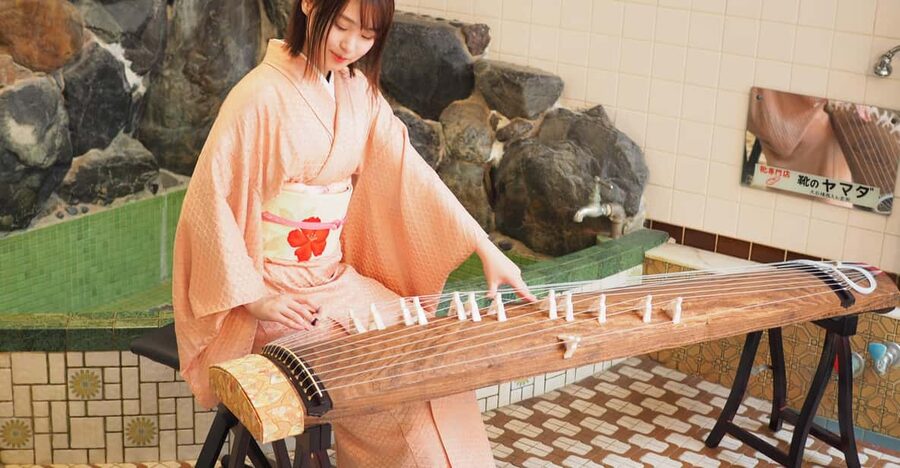
Let music turn a bathhouse into a stage. This 50-minute concert near Kyoto Station brings koto and shamisen playing into Kujo-yu, a renovated sento once cherished by the local community. I like the unusual room and the changing program, which can move from classic Japanese pieces to modern arrangements and original works. The main consideration is access: the venue is not suitable for wheelchair users, and anyone expecting a large concert hall may find the intimate setting quite different.
I also like the clear value of the experience. For $32, you get a focused performance by two Japanese instrumentalists, with no extra charges listed. The acoustics are part of the appeal, though they may not suit you if you prefer a formal theater with rows of seats and a big stage.
Key details before you book
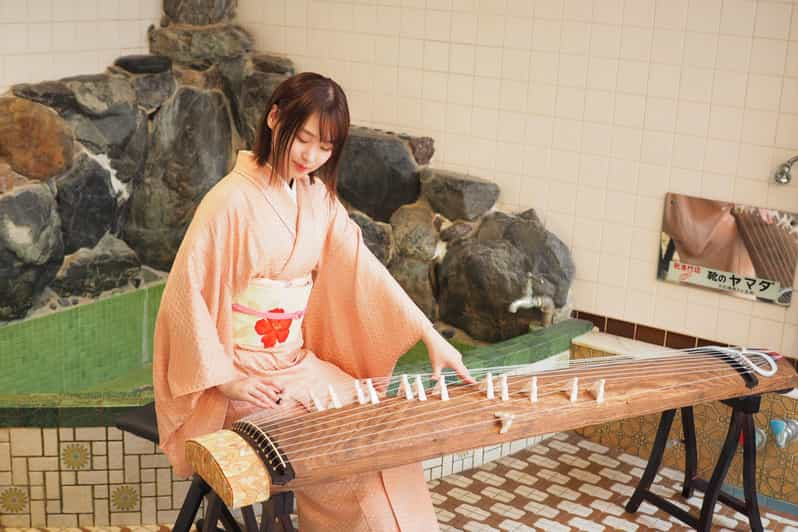
- A concert inside a renovated sento: Kujo-yu gives the music a setting you will not find in a standard concert hall.
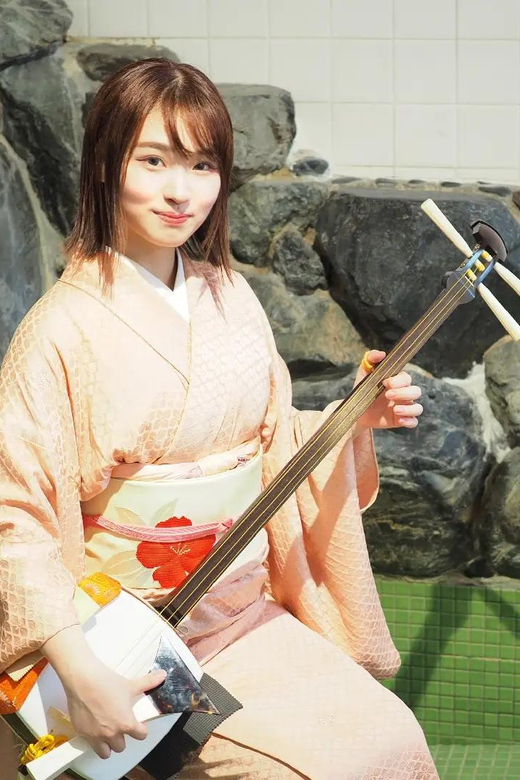
- Koto and shamisen at the center: You hear the bright, intricate tones of the koto alongside the distinctive sound of the shamisen.
- A 50-minute format: The performance is long enough to feel worthwhile, yet short enough to fit neatly into a Kyoto sightseeing day.
- Classical and newer music: The program can include Japanese masterpieces, contemporary arrangements, and original compositions.
- Near Kyoto Station: Kujo Station is one stop from Kyoto Station, making the concert easy to pair with Kyoto Tower or other central sights.
- A small, warm atmosphere: The old bathhouse setting makes the event feel more like a special gathering than a major public show.
Why Kujo-yu makes the music different
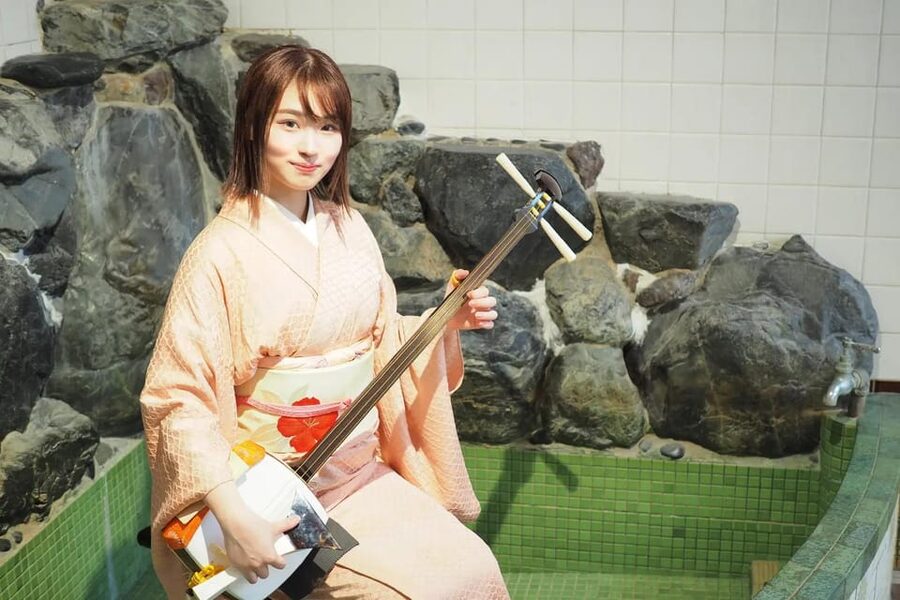
The most important part of this experience is not only the instruments. It is the room.
A sento is a traditional Japanese public bathhouse. Kujo-yu has been renovated, but it keeps the character of a historic local bathhouse. The building has served as a gathering place for the surrounding community, and that past gives the concert a sense of place that a modern venue cannot easily reproduce.
You enter expecting music, but the setting asks you to pay attention to the building too. Sound moves through the old bathhouse space and reflects off its surfaces. The result is an acoustic effect that has been singled out as one of the concert’s best features. The music does not simply come from a stage in front of you. It fills the room and becomes part of the surroundings.
That can make the koto especially pleasing. The koto has a clear, ringing tone, and its plucked strings can sound delicate one moment and firm the next. The shamisen adds a sharper, more rhythmic voice. Together, the instruments create contrast without needing a large ensemble.
I would choose this concert for the room as much as for the repertoire. If you already enjoy traditional Japanese arts, the sento setting gives familiar instruments a fresh frame. If you know little about the koto or shamisen, the intimate room helps you focus on the sound without the scale of a major performance venue getting in the way.
More Live Music around Japan:
- Kyoto: Traditional Concert at Townhouse or Bathhouse
★ 4.9 · 224 reviews - Experience the Asakusa Kabuki Opera Show!
★ 5.0 · 99 reviews - Japanese Traditional Music Show in Tokyo
★ 5.0 · 72 reviews
What happens during the 50 minutes
The experience is built around a single concert rather than a long guided tour. That is useful if you want a cultural activity that does not consume half your day.
You arrive at the renovated Kujo-yu bathhouse and settle into the performance setting. The English-speaking host or greeter helps provide basic assistance, but the main event is the live performance by a koto and shamisen player. The supplied information does not give the performers’ names, so you should not expect a named artist talk or a biography-led presentation.
The program changes with the performers and the season. That means you should not book this expecting one fixed set list. One performance may lean toward well-known classical Japanese works, while another may use contemporary arrangements or original pieces. This variety is a strength if you enjoy discovering music without knowing exactly what will come next.
The room remains central throughout. As the pieces unfold, the acoustics allow the sound to spread through the former bathhouse. The effect is warm and close rather than grand. You are there to listen carefully, not to move from one attraction to another.
At 50 minutes, the concert has a clean shape. You get a complete performance without needing to sacrifice an entire evening. It also leaves room to plan dinner, Kyoto Station sightseeing, or a nearby temple before or after the music.
Koto and shamisen: what you will hear
The koto is a long Japanese zither with strings played by plucking. Its tone can be bright, elegant, and finely detailed. Even when the music is quiet, individual notes tend to remain easy to notice.
The shamisen is a three-stringed instrument with a more pointed voice. Its sound can be crisp and percussive, giving the music a different texture from the koto. Hearing the two instruments together helps you notice the range within traditional Japanese music.
The program is not limited to museum-piece music. Classical compositions may connect the concert to older Japanese traditions, while modern arrangements can make the instruments feel less distant. Original compositions add another layer, showing how these instruments continue to be used by working musicians today.
That mix matters. A program made only of formal classics might feel demanding if you are new to the style. A program made only of modern material might give you less context. The combination lets you hear the instruments in more than one setting.
The changing repertoire also gives repeat visitors a reason to return. Since the program depends on the season and the performers, two visits need not be identical. I would treat this as a living performance rather than a fixed cultural demonstration.
The old bathhouse atmosphere
The two strongest points of praise for this experience are the musicians and the building. The old bathhouse is described as interesting in its own right, and the acoustics are repeatedly noted as unusual.
That combination gives the concert its character. You are not simply sitting in an anonymous room while instruments are played. The building adds visual and acoustic context, even though the supplied details do not specify the exact original bathhouse fixtures or seating arrangement.
The atmosphere is described as warm and intimate. That does not mean the concert is casual or noisy. It means the setting feels close to the performers and connected to the community history of the site. You may find the experience more personal than a standard ticketed performance.
There is also a pleasant bit of cultural contrast here. A sento is linked with everyday local life, while the koto and shamisen can suggest formal Japanese tradition. Bringing the two together keeps the evening from feeling staged solely for tourists. The result is a small cultural encounter with a strong connection to Kyoto’s neighborhood life.
Still, the room is not a conventional concert hall. If you need fully predictable acoustics, wide aisles, or step-free access, this may not be the right choice. The activity is specifically listed as unsuitable for wheelchair users.
Same city, a different sound:
- Traditional Japanese Music show & Experience Tour in Kyoto
★ 5.0 · 57 reviews - Concerts Played with Traditional Instruments in Kyoto
★ 5.0 · 50 reviews - Kyoto: Japanese Koto & Shamisen Concert and Koto Class
★ 4.9 · 31 reviews - Traditional Japanese Music show & Experience Tour in Osaka
★ 5.0 · 25 reviews
Is $32 a fair price?
At $32 per person, this is a reasonable Kyoto add-on for anyone who wants live music and a distinctive venue. You are paying for a 50-minute performance, two traditional instruments, and access to a historic setting with unusual acoustics.
The value is strongest if you would normally pay to see a cultural performance. You get a complete program rather than a short demonstration, and the music can include several styles. The venue itself adds something that a standard stage performance would not.
The value is less clear if you are looking only for a cheap sightseeing stop. This is not a major landmark visit, a long tour, or a hands-on workshop. You are paying for attentive listening in a special room. If music is not part of your travel interests, the price may feel high for an activity under an hour.
The short duration helps. A 50-minute concert can fit around a full Kyoto schedule, and the location near Kyoto Station reduces the need for a separate cross-city trip. You also do not have to budget for listed extras, since nothing is excluded from the stated experience.
Where to place it in your Kyoto day
Kujo-yu is near Kyoto Station, which makes planning simple. From Kujo Station, Kyoto Station is only one stop away. You can pair the concert with Kyoto Tower, the station complex, or a meal in the area.
Fushimi Inari Taisha is about 2 kilometers away. A taxi takes roughly 10 to 15 minutes and costs just under ¥1,000, according to the access information provided. That makes Fushimi Inari a practical same-day match if you want to see the shrine and then attend the concert, or reverse the order.
Toji Temple is around 15 to 20 minutes from Kujo-yu by bus and on foot. Its five-story pagoda is one of Kyoto’s best-known sights, so the temple fits well with a day focused on the southern part of the city.
Kiyomizu-dera takes about 30 minutes by bus and on foot. It is farther away, but still possible to combine with the concert if you allow enough time for transit and the temple visit. Do not schedule the music too tightly after a major sightseeing stop. Kyoto buses and temple approaches can take longer than a map suggests.
Kyoto Tower and Kyoto Station are about 15 minutes away by train and walking. This is the easiest pairing. You can explore around the station, visit the tower, and then reach the concert without crossing the whole city.
Who will enjoy this most
I would recommend Kujo-yu to several kinds of visitors.
Culture-focused visitors will appreciate hearing traditional instruments in a building tied to local life. The setting gives the music more context than a generic theater.
Families may like the 50-minute length. It is a manageable introduction to Japanese music, especially if younger family members are not ready for a long formal concert. The intimate room can also make the event feel less intimidating.
First-time visitors to Kyoto get a compact cultural experience close to the station. You do not need to devote a whole day to it, and the mix of old setting and newer musical arrangements offers an easy entry point.
Experienced Japan visitors may value the fresh format. If you have already seen major temples and shrines, a concert in a renovated sento gives you a different way to spend part of the day.
I would be more cautious if you have mobility needs because wheelchair users cannot take part. I would also think twice if you prefer outdoor sights, active workshops, or performances with extensive English explanation. The English support comes from the host or greeter, but the central activity is listening to music.
Practical booking advice
You can cancel up to 24 hours before the experience for a full refund. The reserve now and pay later option lets you hold a place without paying at the time of booking, which is useful when your Kyoto schedule is still changing.
Starting times vary, so check availability before building your day around the concert. The 50-minute duration is fixed, but your total time will include getting to Kujo-yu and continuing to your next stop.
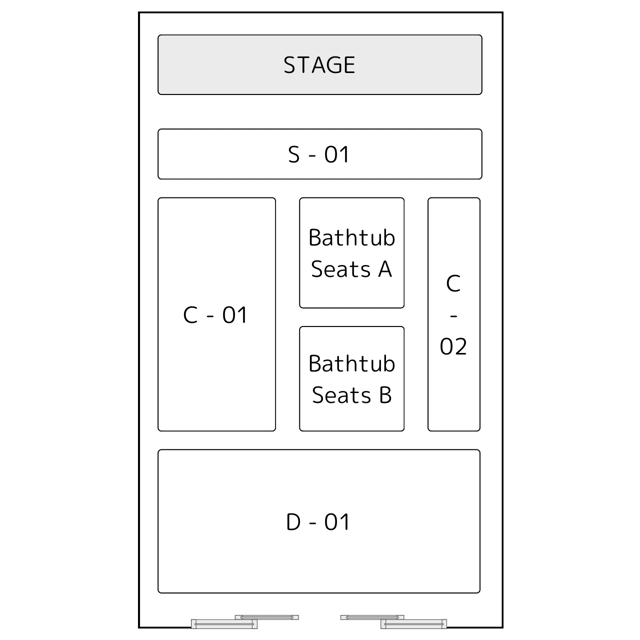
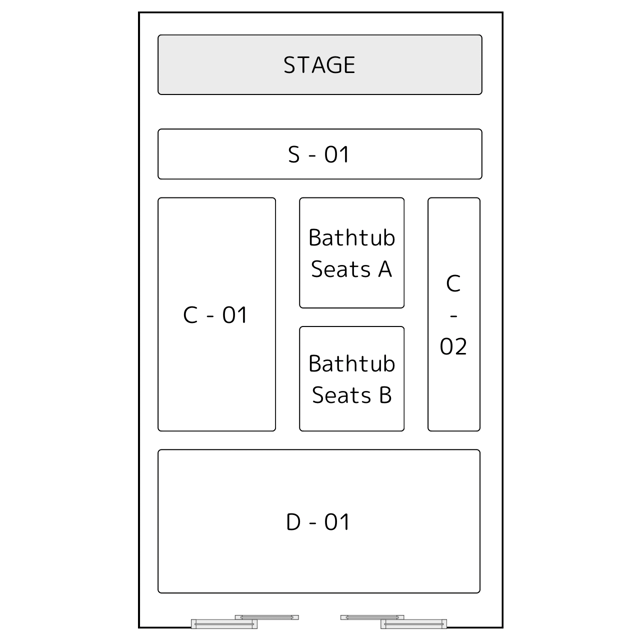
Wear comfortable clothing for the outing and allow enough time to find the venue near the Kujo area. The supplied information does not specify seating details, the exact room layout, or whether photography is allowed, so do not assume those points.
The performance is listed as not suitable for wheelchair users. If you have other access concerns, ask before booking rather than relying on the building’s renovation to guarantee modern access.
My recommendation
Book this concert if you want a small, unusual Kyoto experience with real cultural substance. The strongest reasons are the renovated sento setting, the room’s distinctive acoustics, and the chance to hear koto and shamisen in a program that can change with the season and performers.
Skip it if your schedule is packed with major sights and you are not interested in live music. But if you can spare 50 minutes and want something quieter and more local in feeling, $32 is a fair price for an evening or afternoon that goes beyond the usual temple circuit. Kujo-yu is especially easy to add near Kyoto Station, Fushimi Inari, or Toji Temple.
FAQ
Where is the concert held?
The concert takes place at Kujo-yu, a renovated traditional sento near Kyoto Station in Kyoto, on Honshu.
How long does the concert last?
The performance lasts 50 minutes.
How much does it cost?
The stated price is $32 per person.
Which instruments are performed?
The concert features the koto and shamisen, played by traditional Japanese instrumentalists.
What type of music is included?
The program can include classical Japanese masterpieces, contemporary arrangements, and original compositions.
Does the program stay the same?
No. The repertoire changes according to the season and the performers.
Is English available?
An English-speaking host or greeter is provided, and English is listed as the available language.
Is the venue suitable for wheelchair users?
No. The experience is listed as not suitable for wheelchair users.
Can I cancel for a refund?
Yes. You can cancel up to 24 hours in advance for a full refund.
Just added around Japan
- Japanaese tradtional Tsugaru Shamisen music lesson in Tokyo★ 4.5 · 3 reviews
- Tsugaru shamisen performance over traditional dinner★ 5.0 · 9 reviews
- Easy for everyone! Now you can play handmade mini shamisen and show off to everyone! Musical instruments, sweets and live music★ 5.0 · 3 reviews
- Traditional Japanese Music show & Experience Tour in Osaka★ 5.0 · 25 reviews
- Traditional Concert in Public bath near Kyoto Station★ 5.0 · 5 reviews
- Kyoto: Matcha & Traditional Japanese Music Immersive Experience★ 5.0 · 9 reviews
- Private Japanese music concert★ 5.0 · 4 reviews
- Echoes of Peace – A Soul-Stirring Koto Concert in Hiroshima★ 4.5 · 5 reviews