
REVIEW · JAPAN
Echoes of Peace – A Soul-Stirring Koto Concert in Hiroshima
Let the strings change your pace. This 30-minute koto concert near Hiroshima Peace Memorial Park offers a calm, intimate way to connect Japanese music with the city’s message of peace. I like the mix of classical works, pop arrangements, and original music, and I also like the short explanation of the instrument before the music begins. The main drawback is practical: the building sign can be hard to spot, and the peace theme may not receive as much musical attention as the description suggests.
The small group limit of 10 makes this feel more personal than a large stage show. You get time for conversation in English with the performer, and an optional workshop lets you try the koto yourself. At $25 per person, it is a fair buy if you want a quiet cultural stop rather than a long sightseeing tour.
Key points before you book
- A short concert with a broad program: Hear Bach, Schubert, Pachelbel, John Lennon, traditional Japanese music, modern pop arrangements, and original compositions.
- A clear connection to Hiroshima: The program includes music connected with atomic bomb victims, peace, and hopes for global harmony.
- An intimate studio setting: The group is limited to 10 people, so the presentation feels close and personal.
- A useful cultural introduction: You learn about the koto’s history, construction, and spiritual meaning before the performance.
- A low-cost cultural break: At $25 for about 30 minutes, it fits neatly between visits around Hiroshima Peace Memorial Park.
- A location that needs careful navigation: Take the streetcar to Tatemachi, then use Tully’s Coffee and the Gokku okonomiyaki restaurant as landmarks.
Why this small koto concert fits Hiroshima
Hiroshima is a city where music can carry more weight than it might elsewhere. The Peace Memorial Park asks you to slow down and think about loss, recovery, and the possibility of peace. A koto concert nearby gives you another way to pause, this time through sound rather than monuments and written history.
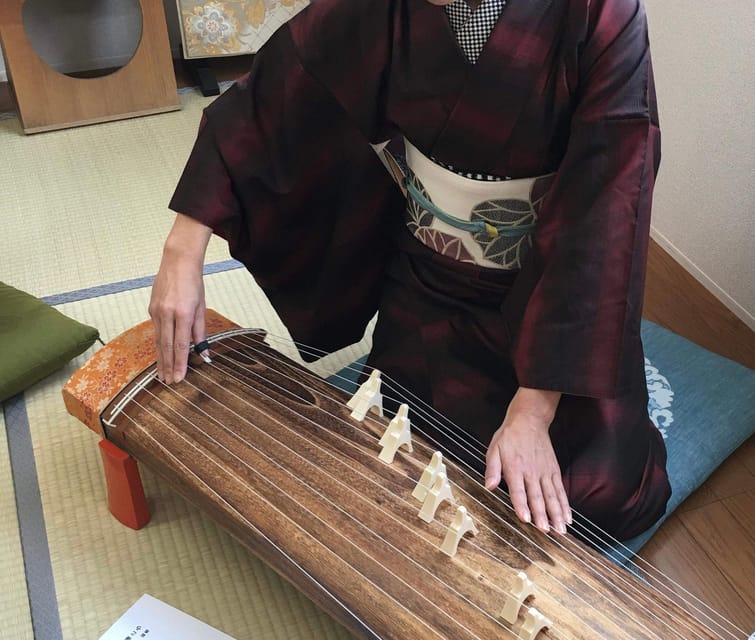
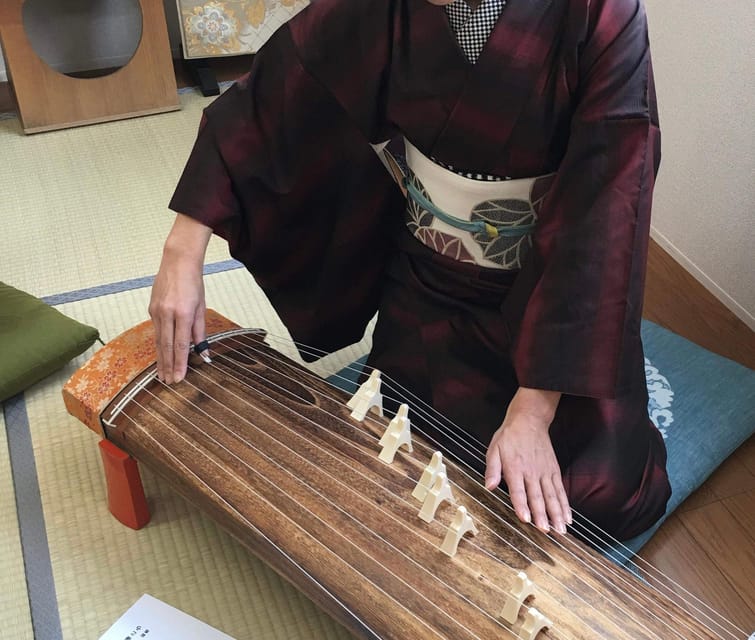
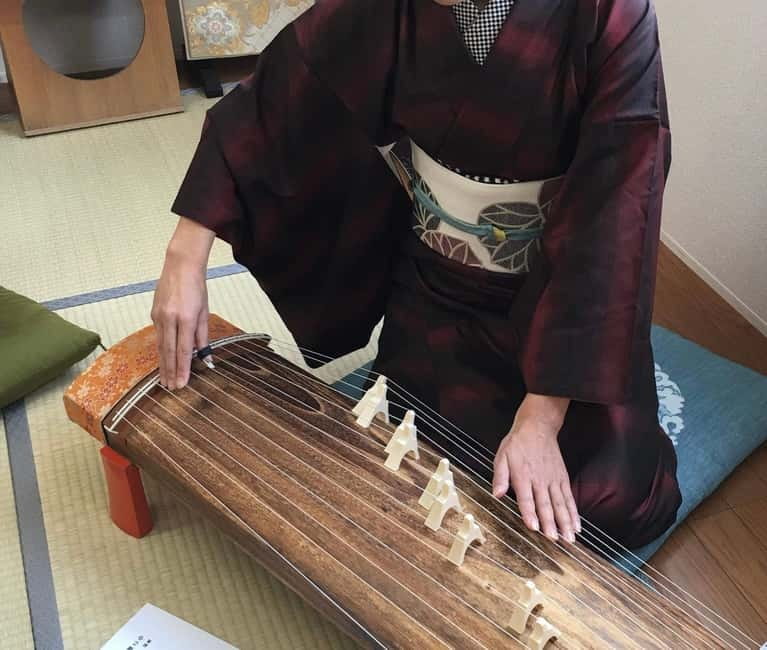
The koto itself is a long Japanese zither with strings stretched across a wooden body. Its tone can be delicate, ringing, and almost voice-like. The instrument can suggest stillness, but the planned program also shows that it is not limited to old court music or quiet background sounds.
That range is the central appeal. You may hear a formal classical piece, a familiar Western melody, and a modern song adapted for Japanese strings in the same short sitting. I like that approach because it helps you hear the koto as a living instrument rather than a museum object.
The setting is a serene space near the Peace Memorial Park. You are not signing up for a large concert hall production with elaborate staging. You are entering a smaller studio environment where the performer can explain the instrument and speak with you afterward.
More Live Music around Japan:
- Kyoto: Traditional Concert at Townhouse or Bathhouse
★ 4.9 · 224 reviews - Experience the Asakusa Kabuki Opera Show!
★ 5.0 · 99 reviews - Japanese Traditional Music Show in Tokyo
★ 5.0 · 72 reviews
Finding the studio near Tatemachi
The meeting point is easiest to reach by streetcar. Get off at Tatemachi Station, then continue straight along the street. Tully’s Coffee is the first useful landmark to keep in mind.
When you reach the Gokku okonomiyaki restaurant, written 悟空, turn right. Look for the sign that identifies the venue and go to the second floor. After exiting the elevator, you will see the entrance and can go inside.
Allow yourself extra time for this short walk. One person specifically found the exterior sign unclear, so do not assume the venue will announce itself from the street. The directions are workable, but you should have the landmark sequence in mind: Tatemachi, Tully’s, Gokku, then the second floor.
This small bit of preparation matters because the activity lasts only 30 minutes. Losing 10 minutes to a wrong turn would take a noticeable bite out of the concert.
The opening story of the koto
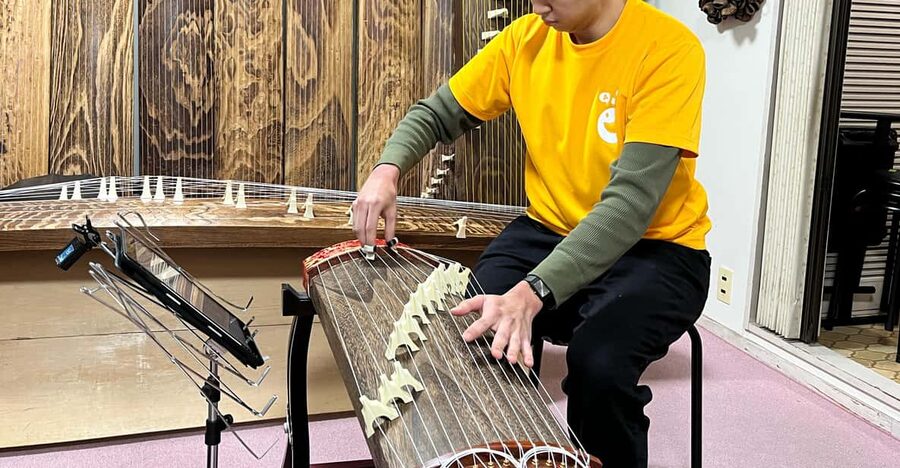
The performance begins with a cultural introduction to the koto. This is more than a quick name-and-date explanation. You learn about the instrument’s history, craftsmanship, and spiritual significance, which gives you a better ear for the music that follows.
I appreciate this part because the koto may be unfamiliar even if you have spent time in Japan. The sound is distinctive, but without context it can be hard to understand how the instrument fits into Japanese culture. The introduction gives you a simple framework before the first serious piece begins.
The presentation may include visual support. One person praised the performer’s PowerPoint presentation as excellent and interesting, and also enjoyed being in the performer’s studio. That suggests the opening talk is an important part of the experience, not filler before the main event.
The performer is also described as charming, which helps in a small room. A warm presentation style can make the difference between a useful cultural explanation and a dry lecture. The session is conducted in English, so you do not need Japanese language skills to follow the story or ask questions.
The 25-minute concert program
The concert itself lasts about 25 minutes, within the total 30-minute activity. The exact order may vary, but the advertised program moves between classical music, modern adaptations, and original work.
You may hear Bach’s Air on the G String and Ave Maria, along with Pachelbel’s Canon in D. These are familiar melodies for many listeners, which makes them helpful introductions to the koto’s sound. You can focus on how a Japanese instrument changes the feel of music you may already know.
The program also includes John Lennon’s Imagine, a natural choice for a concert built around peace and hope. Its presence connects the Hiroshima setting with a widely recognized appeal for harmony among people.
The most personal piece is Echo of Serenity, an original composition dedicated to peace. This gives the program a direct connection to the event’s title and purpose. You are not simply hearing a selection of attractive melodies. You are also being asked to consider how an instrument can carry memory, grief, and hope.
There are also surprising pop song adaptations. The information does not identify each song, so you should treat the element of surprise as part of the fun rather than expect a fixed playlist. The modern arrangements show the koto’s flexibility and may be the moment that most clearly connects Japanese tradition with present-day music.
Same city, a different sound:
- Traditional Japanese Music show & Experience Tour in Kyoto
★ 5.0 · 57 reviews - Concerts Played with Traditional Instruments in Kyoto
★ 5.0 · 50 reviews - Kyoto: Japanese Koto & Shamisen Concert and Koto Class
★ 4.9 · 31 reviews - Traditional Japanese Music show & Experience Tour in Osaka
★ 5.0 · 25 reviews
How the peace theme comes through
The concert is presented as a tribute to peace, with songs honoring atomic bomb victims and prayers for global harmony. That makes the location meaningful, especially if you have just visited the Peace Memorial Park or plan to do so afterward.
At the same time, I would keep your expectations measured. One person enjoyed the music but felt that more of the program should have focused on peace. That is a fair caution. The concert includes a peace dedication and peace-related material, but it is also a general introduction to the koto with classical and pop selections.
For me, that balance can work well. Hiroshima is not only a place of tragedy. It is also a city of culture, daily life, and recovery. Hearing music that moves between old and new can support a broader view of the city. Still, if you want a concert devoted entirely to memorial music, this may feel too varied.
The strongest connection comes from the setting, the original peace composition, and Imagine. The Bach, Pachelbel, and pop arrangements serve another purpose: they let you hear what the koto can do.
What the small group changes
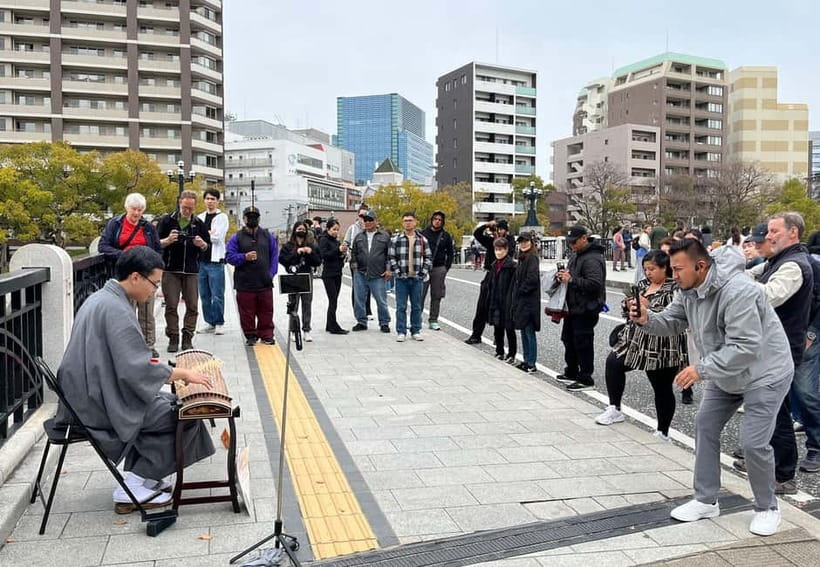
The group is limited to 10 participants. That is a useful size for a musical demonstration because you can see the instrument clearly and hear the explanation without a large crowd around you.
A small room also makes the event feel more like a personal cultural meeting than a formal tourist attraction. The performer can speak directly to the group, answer questions, and explain details that might be skipped in a large show.
You receive free conversation with the koto performer in English. This is especially valuable if you are curious about the instrument’s construction, the choices behind the arrangements, or the process of writing original music. The supplied information does not promise a set question-and-answer length, so think of this as a chance for informal conversation rather than a separate lecture.
The setting may be less polished than a major concert venue. One person liked being in the performer’s studio, while another wanted clearer signs outside. If you prefer a polished theater production, this may feel modest. If you like meeting artists in their own working space, that modesty is part of the charm.
The optional koto workshop
A mini-workshop is available as an optional add-on for people who want to try the koto. This is a good feature because listening and playing create two different kinds of understanding.
Even a brief attempt can help you notice how the strings respond and why the instrument has such a distinctive tone. It can also make the performance feel less mysterious. You hear the music differently after touching the instrument yourself.
The provided information does not give the workshop’s exact length, price, or whether it is offered at every session. Check those details when you book or arrive. Do not assume it is included in the $25 base price, since it is described as optional.
If you are traveling with children, note that the activity is not suitable for children under 10. Older children may enjoy the workshop, but the experience is built around listening and cultural explanation rather than a general children’s show.
Is $25 good value for 30 minutes?
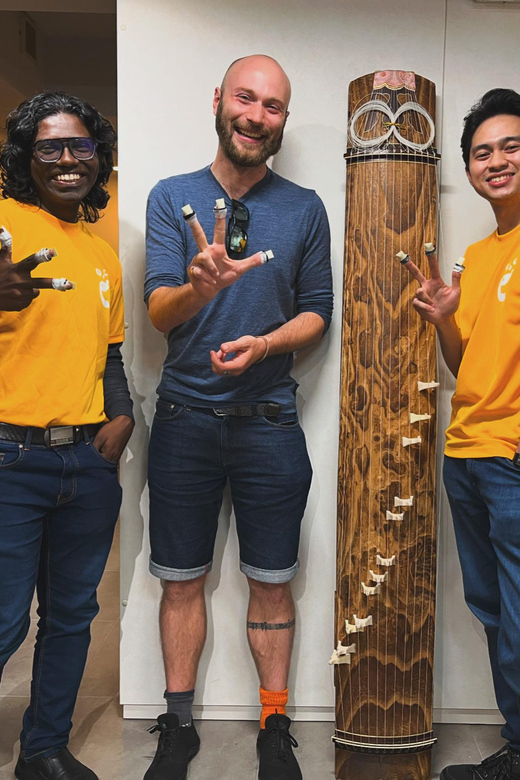
At first glance, $25 for 30 minutes may seem high compared with a free temple visit or a walk through the Peace Memorial Park. The comparison changes once you consider what is included: a live concert, an explanation of the koto, a small group setting, and free conversation in English with the performer.
The concert itself occupies about 25 minutes, so this is not a long event. You are paying for a focused encounter, not a half-day activity. I see it as a compact cultural appointment that fits before lunch, after a museum visit, or between other Hiroshima sights.
The value is strongest if you are curious about Japanese music and would not otherwise have an easy way to hear a koto played live. The value is weaker if you want a lengthy concert, a full workshop, or a large number of peace-themed pieces.
The $25 price also makes the decision fairly simple for many people. It is low enough to add without reshaping your whole Hiroshima budget, but meaningful enough that you should choose it for the music rather than book it just because it is inexpensive.
Who will enjoy this most
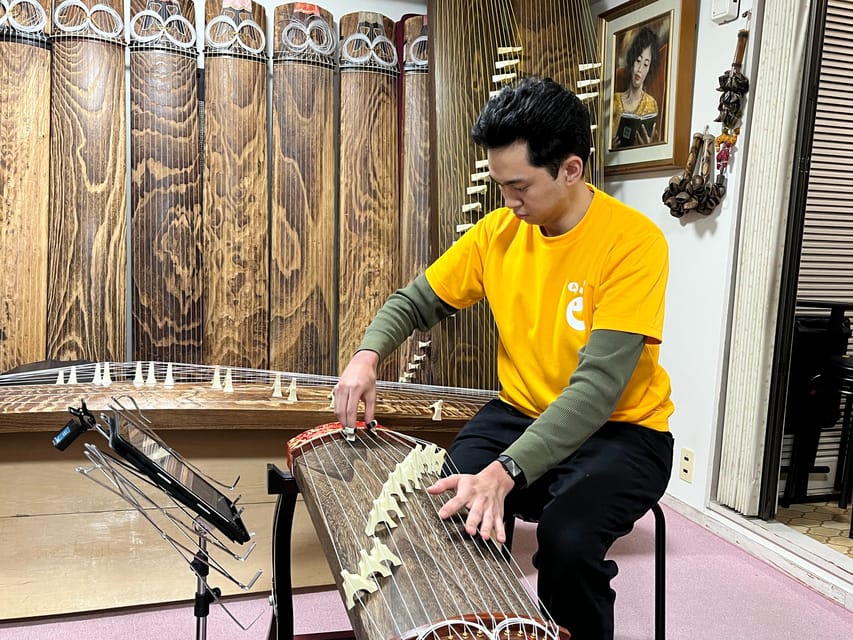
I would recommend the experience to you if you enjoy music, small cultural encounters, and activities that leave room for thought. It suits solo visitors, couples, and small groups who want something quieter than another major sightseeing stop.
It is also a good choice if you have already visited the Peace Memorial Park and want a different way to reflect on Hiroshima. The concert does not replace the park, museum, or memorial sites. It adds a calm musical note to a day that can otherwise feel emotionally heavy.
The event works well for people who like familiar melodies presented in new ways. Hearing Canon in D, Air on the G String, or Imagine on a koto gives you an easy point of entry, while the original composition and traditional context add something less familiar.
You may want to skip it if you are looking for a long performance, a highly formal venue, or a program made only of traditional Japanese music. The pop arrangements and Western classical works are central to the appeal, not side attractions.
Practical timing and booking advice
The activity lasts 30 minutes, and starting times vary, so check availability for your date. Because it is short, pairing it with nearby sightseeing makes sense. The meeting point is near the Peace Memorial Park, but transportation to the venue is not included.
You can cancel up to 24 hours in advance for a full refund. You can also reserve now and pay later, which helps if your Hiroshima plans are still changing.
The activity is offered in English, and the group size is limited to 10. Alcohol and drugs are not allowed. Food and glasses are not included, so plan any meal or drinks separately. The reference to glasses is unusual, but the practical point is simple: do not expect refreshments or other extras as part of the ticket.
Because the exterior sign may be difficult to see, arrive with enough time to follow the landmarks. Tatemachi Station, Tully’s Coffee, and Gokku are more useful than simply searching for a generic studio entrance.
My call: book it for the music and the mood
I would book this koto concert if I wanted a short, thoughtful activity near Hiroshima’s central memorial area. The music receives the strongest praise, and the combination of a charming performer, an interesting visual presentation, and a studio setting gives the event a personal feel.
I would book it with one clear expectation: this is a compact introduction to the koto, not a full concert devoted entirely to peace. The original peace piece and Imagine support the theme, while Bach, Pachelbel, and pop arrangements broaden the program.
For $25, the experience offers a good chance to hear a rare instrument live, understand its background, and speak with the performer in English. Add the workshop if you want a more hands-on visit, and allow extra time to find the entrance. If those details fit your plans, this is a gentle and worthwhile addition to a day in Hiroshima.
FAQ
How long does the koto concert last?
The full activity lasts 30 minutes, with a live concert of about 25 minutes plus the cultural introduction and related presentation.
How much does the experience cost?
The listed price is $25 per person.
Where does the concert take place?
It takes place in a serene space near Hiroshima Peace Memorial Park in the Chugoku Region of Japan.
How do I reach the meeting point by streetcar?
Get off at Tatemachi Station, go straight, use Tully’s Coffee as a landmark, and turn right when you reach the Gokku okonomiyaki restaurant, written 悟空. Continue to the indicated building and go to the second floor.
Is the activity offered in English?
Yes. The activity is conducted in English, and free conversation with the koto performer in English is included.
What music will be performed?
The program can include classical works such as Bach’s Air on the G String, Ave Maria, and Pachelbel’s Canon in D, along with John Lennon’s Imagine, original compositions, and pop song adaptations.
Is the koto workshop included?
A mini-workshop is available as an optional add-on. The provided information does not state its separate price or exact length.
Is the activity suitable for young children?
The activity is not suitable for children under 10 years old.
Can I cancel or pay later?
You can cancel up to 24 hours in advance for a full refund. Reserve-now, pay-later booking is also available.
Just added around Japan
- Japanaese tradtional Tsugaru Shamisen music lesson in Tokyo★ 4.5 · 3 reviews
- Tsugaru shamisen performance over traditional dinner★ 5.0 · 9 reviews
- Easy for everyone! Now you can play handmade mini shamisen and show off to everyone! Musical instruments, sweets and live music★ 5.0 · 3 reviews
- Traditional Japanese Music show & Experience Tour in Osaka★ 5.0 · 25 reviews
- Traditional Concert in Public bath near Kyoto Station★ 5.0 · 5 reviews
- Kyoto: Matcha & Traditional Japanese Music Immersive Experience★ 5.0 · 9 reviews
- Private Japanese music concert★ 5.0 · 4 reviews
- Kyoto: Kujo-yu Sento Traditional Japanese Instrument Concert★ 5.0 · 2 reviews