
REVIEW · JAPAN
Kyoto: Matcha & Traditional Japanese Music Immersive Experience
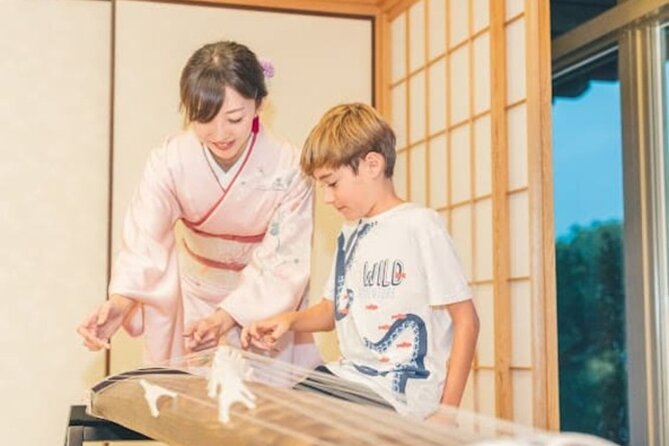
Music with a modern twist makes this Kyoto experience more than a short concert. At Suzaku Garden, you hear the gentle koto beside the bright, expressive sound of a violin, with a program that moves from traditional Japanese melodies to anime, game music, and original arrangements. I like the unusual mix of instruments, and I like that you are invited to try the koto instead of only watching from your seat.
The post-concert time with the musicians is another strong point. You can ask about the instruments, the performers’ training, and the work behind the arrangements. The main drawback is the price: at $850 per person, this is a major splurge for about an hour to an hour and 20 minutes, even with matcha and the hands-on session included.
Key points to know before booking
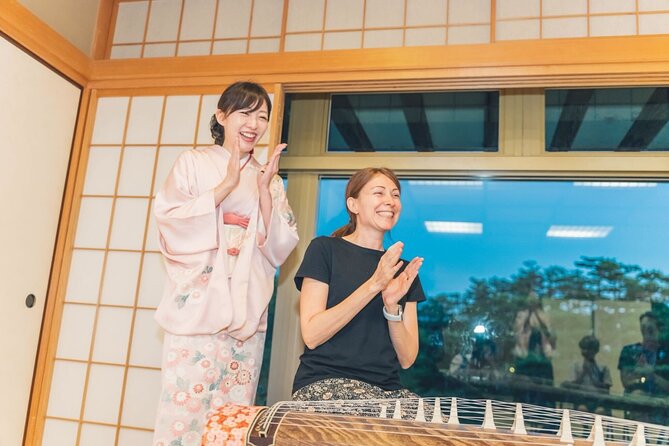
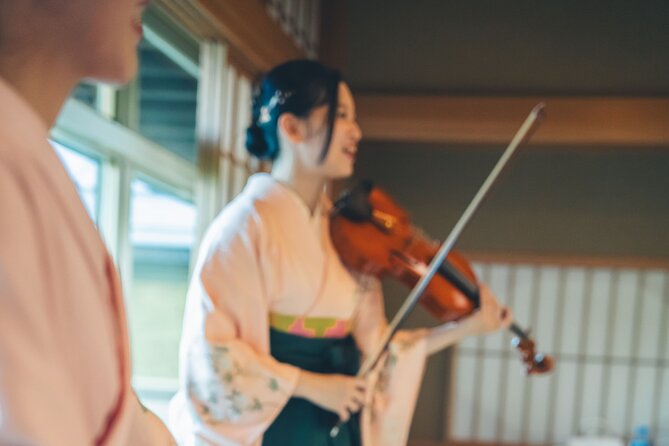
- Koto and violin share the stage: The program links a traditional Japanese instrument with a Western one in a fresh musical pairing.
- Anime and game music are included: The set is not limited to formal classical or traditional pieces.
- You can play the koto: Musicians guide you through a hands-on introduction after the performance.
- Suzaku Garden adds atmosphere: Tea rooms and Japanese-style spaces give the indoor event a calm setting.
- Matcha is included: Snacks and green tea are part of the booking, while meals are available separately downstairs.
- The price demands careful thought: This suits a special-occasion budget more than a casual Kyoto afternoon.
A Kyoto concert built around two very different instruments
The heart of the event is the pairing of koto and violin. The koto is a traditional Japanese string instrument with a delicate, ringing voice. The violin brings a fuller Western sound, with more sweep and dramatic force. Hearing both together gives you a useful sense of how different musical traditions can share one arrangement.
The performers are young artists who have trained from childhood and care deeply about their instruments. That detail matters. You are not simply attending background music in a tea room. You are seeing musicians who have spent years learning a demanding craft and who are working to keep traditional instruments relevant.
The program also avoids a narrow definition of Japanese music. You can expect traditional melodies alongside anime and game music, plus original arrangements. That range should appeal to people who already love Japanese popular culture, but it also helps first-time listeners hear how the koto can work outside its usual setting.
I like this approach because it gives you several ways into the performance. You might come for the anime pieces, stay for the traditional music, and leave with a new interest in the koto. Or you might prefer the older melodies and find the contemporary material a pleasant surprise.
More Live Music around Japan:
- Kyoto: Traditional Concert at Townhouse or Bathhouse
★ 4.9 · 224 reviews - Experience the Asakusa Kabuki Opera Show!
★ 5.0 · 99 reviews - Japanese Traditional Music Show in Tokyo
★ 5.0 · 72 reviews
What happens during the 60 to 80 minutes
The event lasts roughly one hour to one hour and 20 minutes. That is long enough for a real musical program, but short enough to fit into a full day of sightseeing in Kyoto.
The live performance comes first. You will hear the koto and violin in a series of arrangements that cross traditional Japanese music, anime, games, and original work. Since the exact song list is not provided, do not book expecting a particular anime theme or game track.
After the music, you get a chance to play the koto yourself. This is a useful feature, especially if you have never encountered the instrument outside a museum display or cultural demonstration. A musician guides you, so you do not need prior experience.
The playing session changes the mood from formal listening to direct participation. You learn through your hands how the instrument responds, rather than treating it as an object behind glass. Keep your expectations sensible, though. This is an introduction, not a full music lesson.
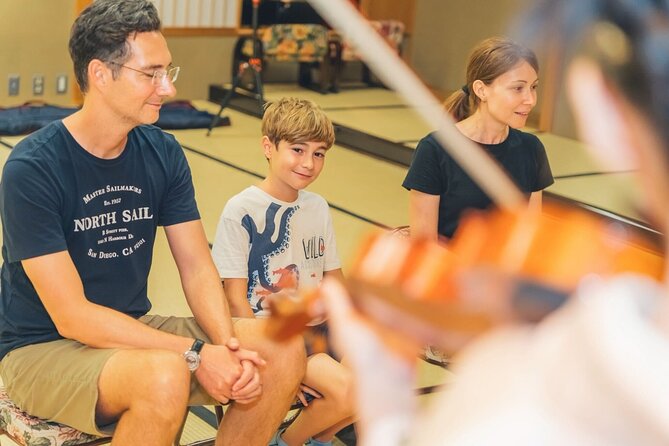
The final part includes time with the artists. You can ask about the koto, the violin, the arrangements, and their dedication to traditional instruments. For many people, this conversation will be as memorable as the concert itself, since it connects the sound you just heard with the people who made it.
Suzaku Garden and its Japanese-style rooms
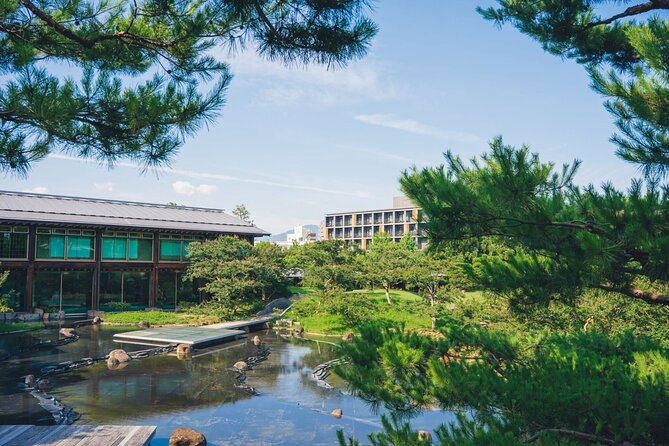
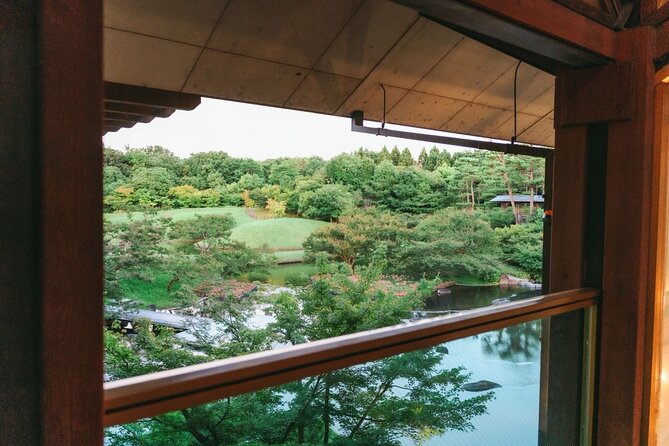
The performance takes place at Suzaku Garden, an indoor venue with serene tea rooms and Japanese-style spaces. The setting gives the event a clear cultural identity without requiring you to travel outside Kyoto or spend half a day at a remote site.
The rooms are part of the appeal. You are not simply entering a plain concert hall, sitting down, and leaving. The tea-room setting helps frame the music within a Japanese aesthetic, with a quieter pace than a large commercial show.
The venue also makes this a useful rainy-day or hot-weather choice. Because the concert is indoors, you do not need to plan around Kyoto’s summer heat, winter chill, or sudden rain. Public transportation is nearby, and private transportation is not included, so you will need to make your own way there.
A café and restaurant are located on the first floor. That gives you an easy option for a meal before or after the event, but food is not part of the ticket. Matcha and snacks are included, so you get a small refreshment without expecting a full tea meal.
The koto session is the part you should not skip
The short hands-on koto session may be the best reason to choose this event over a standard concert. Listening tells you what the instrument sounds like. Playing it gives you a better sense of its construction, touch, and tone.
The koto has a very different physical feel from a violin. The strings, shape, and playing method create a sound that can seem almost weightless in a concert arrangement. With guidance from the musicians, you can try producing that sound for yourself.
This also makes the event suitable for mixed-interest groups. One person might be keen on Japanese music, another might prefer anime themes, and someone else might simply want a cultural activity that is more active than sightseeing. The koto session gives everyone something to do.
You should not expect a long workshop or the chance to master a song. The supplied details describe a guided opportunity to play, not an extended class. Think of it as a brief introduction that makes the performance easier to understand.
Same city, a different sound:
- Traditional Japanese Music show & Experience Tour in Kyoto
★ 5.0 · 57 reviews - Concerts Played with Traditional Instruments in Kyoto
★ 5.0 · 50 reviews - Kyoto: Japanese Koto & Shamisen Concert and Koto Class
★ 4.9 · 31 reviews - Traditional Japanese Music show & Experience Tour in Osaka
★ 5.0 · 25 reviews
Meeting the artists adds real context
The artist interaction is handled after the performance, when you already have musical questions in mind. You can ask how the performers learned their instruments, why they combine koto with violin, and how they choose anime or game melodies for their arrangements.
That conversation gives the event a human side. Traditional instruments can seem distant when you only hear them in formal settings. Speaking with the musicians helps you see them as living tools that young artists continue to study, perform, and adapt.
I especially like the focus on dedication. The performers have trained since childhood, according to the available description, so their skill represents years of practice. At the same time, their use of contemporary music shows that tradition does not have to remain fixed in one old style.
The interaction may be especially meaningful for music students, anime fans, and anyone curious about how Japanese cultural forms are carried into the present. If you prefer to leave a concert quickly and move to your next stop, this part may matter less to you.
Matcha, tea rooms, and the limits of the food offering
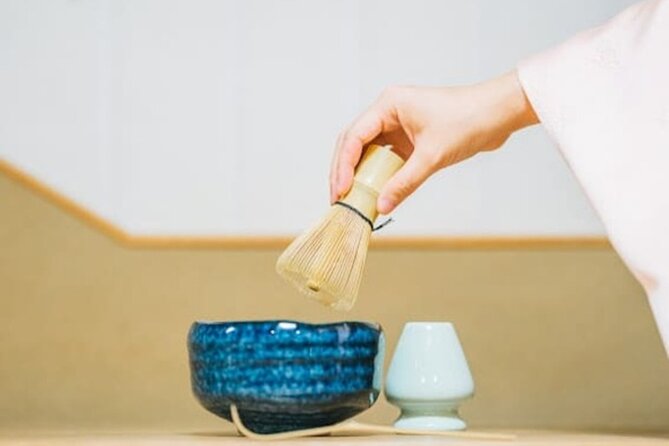
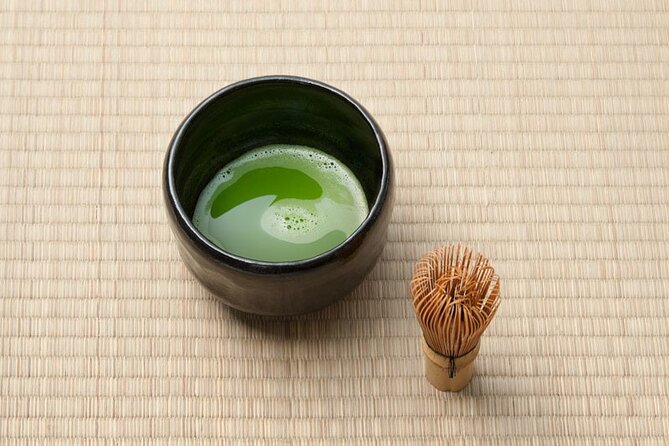
Matcha green tea and snacks are included in the booking. This adds a small taste of Japanese tea culture and fits the setting well, but you should not confuse it with a full meal or automatically expect a formal tea ceremony.
The venue has a café and restaurant on the first floor, so you can plan food separately. That is practical if you want to make the music event part of a longer outing. It also means the high ticket price is not covering lunch, dinner, or a substantial tea service.
The tea rooms and Japanese-style spaces help create a calm transition into the performance. If you are coming from Kyoto’s busy streets, the quieter interior may be welcome. The setting is likely more important here for mood and cultural context than for sightseeing on its own.
Is $850 a fair price?
At $850 per person, this is expensive by any normal Kyoto activity standard. The event lasts less than an hour and a half, and the inclusions are limited to the performance, koto activity, artist interaction, matcha, snacks, and venue access.
The price can make sense only for a particular kind of visit. If you are marking a special occasion, have a strong interest in Japanese instruments, or want a private-feeling cultural memory rather than a low-cost attraction, you may consider the package worthwhile.
The value comes from the combination, not from any single feature. A short concert alone would be hard to justify at this rate. The chance to play the koto, talk with the musicians, sit in a Japanese-style setting, and hear a program that includes anime and game music creates a fuller experience.
Still, I would compare it with your other Kyoto plans before paying. If your budget is tight, you can find many worthwhile cultural activities in the city for far less. This booking is best treated as a premium event, not as a good-value introduction for every visitor.
The experience is booked, on average, 27 days in advance. That suggests you should not leave it until the last moment, especially if your Kyoto dates are fixed. Confirmation is normally received at booking, although reservations made within two days of the date may take up to 48 hours and depend on availability.
Who will enjoy this most
I would recommend this for:
- People who enjoy Japanese traditional instruments
- Anime and game music fans
- Visitors who want a short indoor cultural activity
- Couples or families marking a special occasion
- Music students and amateur musicians
- Anyone who values meeting performers and asking questions
- Visitors who want a hands-on activity rather than a passive concert
It may be less suitable if you are looking for a long workshop, a full meal, or a low-cost Kyoto attraction. It is also not the right pick if you need a guaranteed song list, since the specific pieces are not provided.
Most people can participate, according to the supplied access information. Still, detailed accessibility information is not provided, so you should ask the provider directly if you have specific mobility, seating, or sensory needs.
Planning the rest of your Kyoto day
The one-hour to 80-minute length makes this easy to pair with other plans. Since the venue is near public transportation, you can build it into a day of sightseeing without arranging private transport.
Give yourself enough time to arrive without rushing. The concert is indoors, and the Japanese-style rooms are part of the appeal, so arriving in a calm frame of mind will help you appreciate the setting.
You can also plan a café or restaurant stop on the first floor. Because meals are not included, decide in advance if you want to eat there or continue elsewhere in Kyoto.
The mobile ticket is useful for a simple arrival process. Keep the booking information accessible on your phone, and remember that the free cancellation window closes 24 hours before the start time. Cancellations made later are not refunded, and changes within that period are not accepted.
Should you book the Kyoto koto and violin experience?
Book it if you want a premium, intimate-feeling music event with direct contact with the performers. The koto and violin pairing is unusual, the program reaches beyond traditional melodies, and the hands-on koto session gives you something a standard concert cannot.
I would be cautious if you are judging the event mainly by minutes of entertainment or by cost per activity. At $850, the price is difficult to defend for a casual afternoon. But for a music lover, anime fan, or visitor celebrating a special trip, the combination of performance, participation, matcha, and conversation may justify the splurge.
My practical advice is simple: reserve well ahead, confirm the date carefully, and treat the booking as a special cultural event rather than a quick stop between temples.
FAQ
Where does the music experience take place?
It takes place at Suzaku Garden in Kyoto, in an indoor venue with tea rooms and Japanese-style spaces.
How long does the experience last?
The experience lasts approximately one hour to one hour and 20 minutes.
What instruments are featured?
The performance features the traditional Japanese koto and a Western violin.
What kind of music is performed?
The program includes traditional Japanese melodies, anime music, game music, and original arrangements.
Can I play the koto?
Yes. You receive a guided opportunity to play the koto during the experience.
Is matcha included?
Yes. Matcha green tea and snacks are included.
Are meals included?
No. Meals are not included, although the venue has a café and restaurant on the first floor.
Is transportation included?
No. Private transportation is not included. The venue is near public transportation.
Can I cancel for a full refund?
Yes, if you cancel at least 24 hours before the experience start time. Cancellations made less than 24 hours before the start time are not refunded.
Just added around Japan
- Japanaese tradtional Tsugaru Shamisen music lesson in Tokyo★ 4.5 · 3 reviews
- Tsugaru shamisen performance over traditional dinner★ 5.0 · 9 reviews
- Easy for everyone! Now you can play handmade mini shamisen and show off to everyone! Musical instruments, sweets and live music★ 5.0 · 3 reviews
- Traditional Japanese Music show & Experience Tour in Osaka★ 5.0 · 25 reviews
- Traditional Concert in Public bath near Kyoto Station★ 5.0 · 5 reviews
- Private Japanese music concert★ 5.0 · 4 reviews
- Kyoto: Kujo-yu Sento Traditional Japanese Instrument Concert★ 5.0 · 2 reviews
- Echoes of Peace – A Soul-Stirring Koto Concert in Hiroshima★ 4.5 · 5 reviews