
REVIEW · JAPAN
Japanese Traditional Music Show in Tokyo
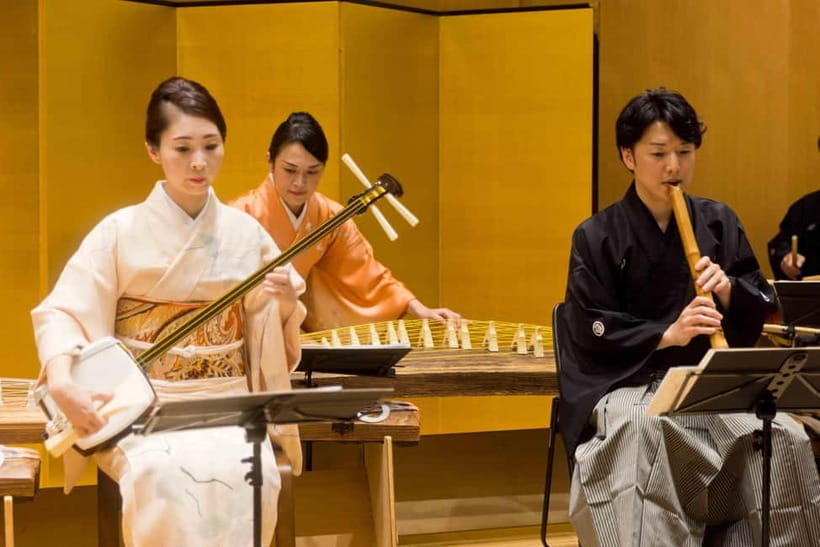
Traditional music feels close enough to touch here. The ZAKURO SHOW brings musicians in kimono right in front of a small audience, with koto, shamisen, shakuhachi flute, and taiko drums taking turns and joining together. I especially like the clear English explanations and the chance to hear both old Japanese pieces and a modern Western cover. The one-hour format is easy to fit into a Tokyo day, though anyone wanting a long concert or a large theatrical production may find it brief.
I also like the small numbered seating arrangement, which keeps the performance personal rather than distant. You can take photos and videos during the show, then meet the musicians for pictures afterward. The main consideration is the price: at $38 per person, it is fair for a live cultural performance, but less appealing if you only want background music without explanation.
Key points to know before booking
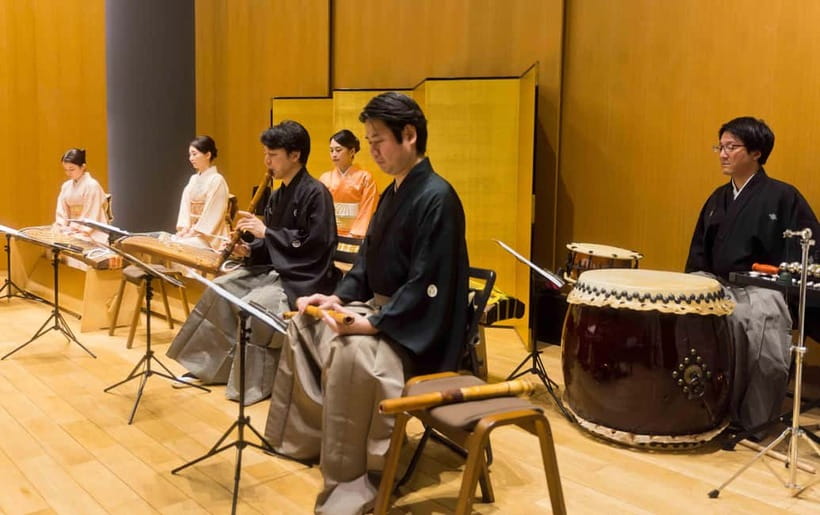
- Four distinctive Japanese instruments: Hear the koto, shamisen, shakuhachi flute, and taiko drums in one compact program.
- English and Japanese presentation: A host explains the instruments, pieces, and cultural background in both languages.
- Small numbered audience: Reserved seating puts you close to the performers and keeps the atmosphere intimate.
- Old, new, and unexpected music: The program mixes traditional compositions, newer Japanese music, and a Western hit arranged for Japanese instruments.
- Photos are welcome: You can record during the performance and take pictures with the musicians afterward.
- Convenient Harajuku location: Hall 60 is one minute from Meiji-Jingumae Station Exit 7 and about five minutes from JR Harajuku Station.
What the one-hour program actually gives you
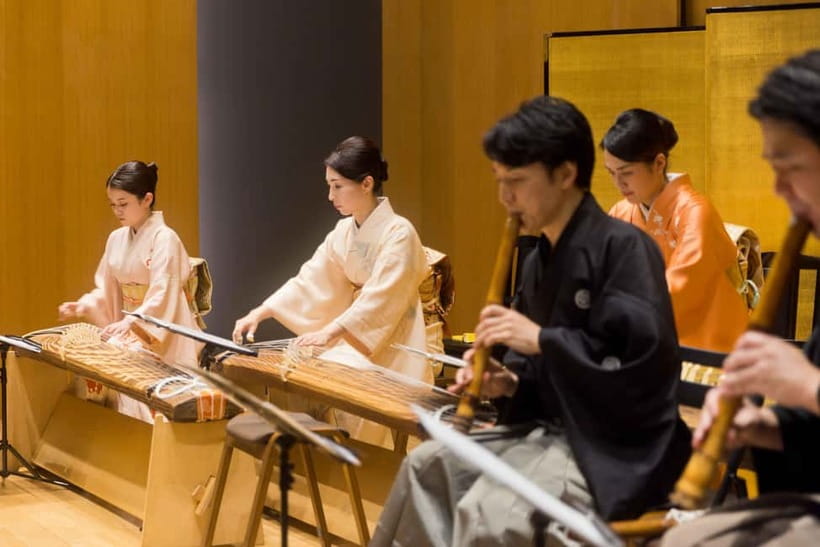
ZAKURO SHOW is not simply a concert where you sit quietly and wait for the final bow. It is built as an introduction to wagakki, the Japanese word for traditional musical instruments. The host explains what you are hearing, how the instruments work, and why the pieces matter.
That structure is useful if you do not already know Japanese music. A shamisen can look simple at first glance, but its sharp, rhythmic sound is quite different from the sustained tones of the koto. The shakuhachi adds a breathy flute voice, while taiko brings physical force and a strong sense of pulse.
The show moves between explanation and performance. You learn about an instrument, hear it played, and then understand its place in the larger group. This keeps the hour active and makes the music easier to follow than a formal concert with no introduction.
The program includes ancient and modern Japanese traditional music. The exact selection can vary, but the goal is clear: give you more than a single narrow style. A Western pop cover is also included as a surprise, showing how familiar melodies change when played on Japanese instruments.
That playful turn matters. Traditional music can feel remote if you have never heard it before. A recognizable song gives your ears a bridge back to something familiar, while the koto, shamisen, flute, and drums show what these instruments can do.
More Traditional Music and Dance Shows around Japan:
- Budapest Danube Cruise and Dinner Options, Live Music and Dance
★ 4.5 · 7,428 reviews - Budapest: Dinner Cruise with Live Music and Folk Dance Show
★ 4.4 · 2,090 reviews - Budapest: Hungarian Folk Dance & Concert with Dinner Option
★ 4.2 · 786 reviews
Sitting close to the musicians at Hall 60
The performance takes place at Hall 60, close to Tokyo’s Harajuku and Meiji-Jingumae stations. From Meiji-Jingumae Station, use Exit 7 and allow about one minute on foot. From JR Harajuku Station, the Omotesando Exit is about a five-minute walk.
The location makes this a handy evening or afternoon addition to a day around Harajuku, Omotesando, or Meiji-Jingu. You do not need to commit to a full night of theater. The short walk from two major stations also helps if you are fitting the concert between other plans.
Seating is reserved and numbered. Since the audience is intentionally small, you should expect a closer view of the performers than you would get at a large stage show. That closeness is one of the strongest reasons to choose this experience.
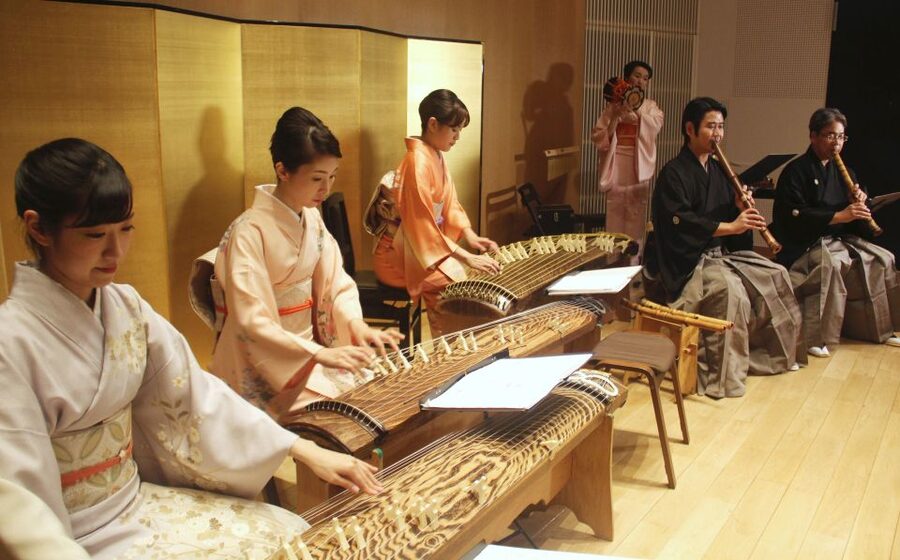
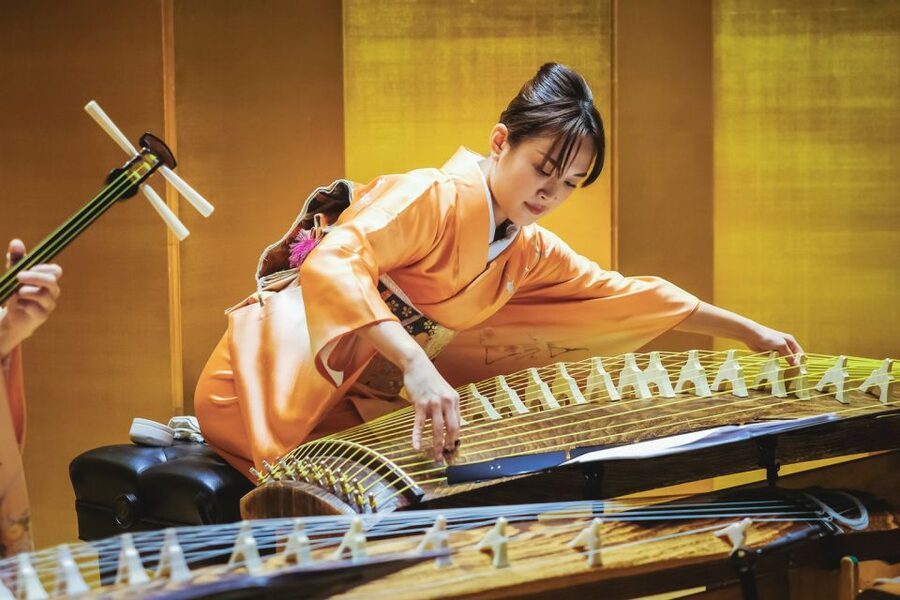
You can watch finger movements, bowing, picking, and striking more easily from nearby seats. The instruments are not presented as distant museum objects. They are working tools, played by musicians directly in front of you.
The room’s small size can also mean less spectacle. There is no suggestion of a huge stage, elaborate scenery, or a large orchestra. If you want intimate contact with the musicians, that is an advantage. If you want a grand concert hall atmosphere, this may feel modest.
Koto, shamisen, shakuhachi, and taiko
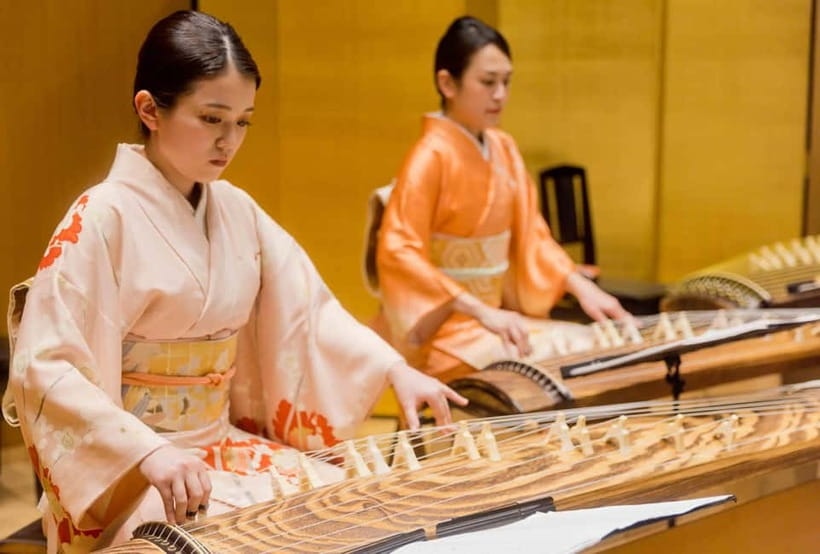
The koto is often described as a Japanese harp, though it is a long, zither-like instrument played horizontally. Its strings create clear, ringing notes that can sound delicate or dramatic depending on how they are plucked and shaped.
The shamisen is a three-stringed instrument with a distinctive, bright tone. It can sound lively and percussive, giving the program a very different character from the smoother koto. Hearing both in the same hour helps you notice the variety within Japanese string music.
The shakuhachi is a bamboo flute known for its warm, airy sound. Its tone can seem almost vocal, with breath and silence playing an important role. In a small room, the instrument’s softer qualities have a chance to register.
Then comes taiko, the family name commonly used for Japanese drums. Taiko adds weight and movement. After quieter string and flute passages, the drums can change the mood at once.
One of the show’s best features is this contrast. You are not hearing one instrument repeated for an hour. You move between plucked strings, breath-driven flute, and powerful percussion. The explanations help you connect the sounds with the objects creating them.
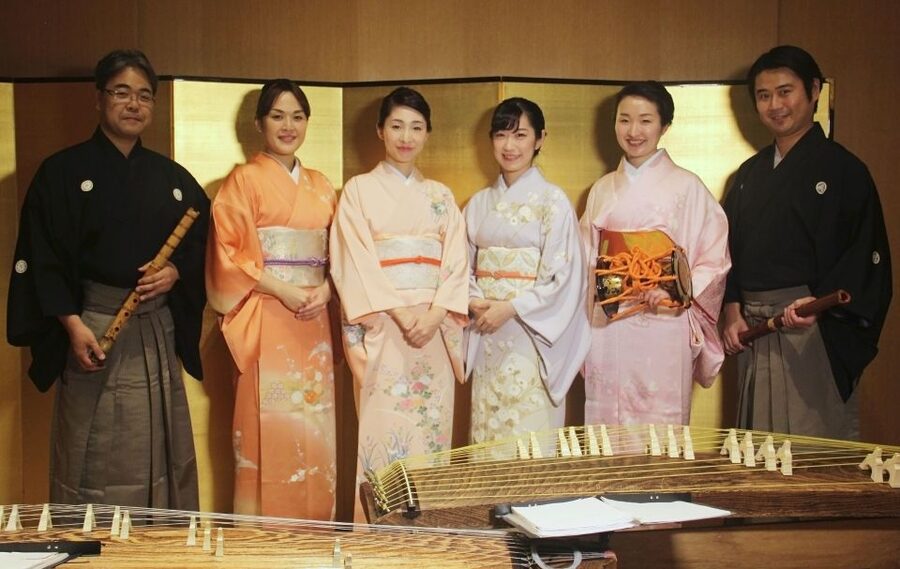
The musicians perform in kimono, which adds a visual link to the music without turning the event into a costume display. The clothing, instruments, and explanations work together to give you a fuller sense of the performance tradition.
Why the explanations matter
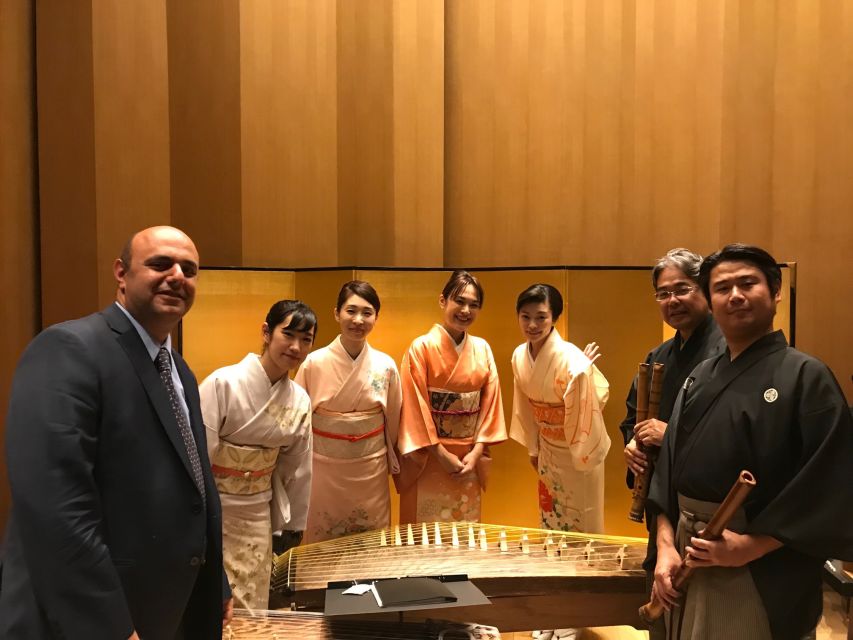
A short concert can leave you with pleasant sounds but little understanding. ZAKURO SHOW tries to avoid that by explaining the instruments and the pieces as the program develops.
The English host or greeter is an important part of the experience. English and Japanese are used, and the presentation is designed for both international visitors and people living in Japan. You do not need musical training or Japanese language skills to follow the program.
The explanations cover practical points such as how the instruments are played, how they are made, and where they fit in Japanese music. That makes the show useful for families, first-time visitors, and anyone who wants cultural context without sitting through a long lecture.
The pacing also seems to work well for younger audience members. One family found that teenagers enjoyed recording the full performance, while other comments point to the music and demonstrations keeping attention throughout the hour.
Do not expect a university course in Japanese music. The format is introductory and compact. You receive selected information, not an exhaustive account of every instrument or musical period. For most people, that is the right balance during a busy Tokyo visit.
More Live Music around Japan:
- Kyoto: Traditional Concert at Townhouse or Bathhouse
★ 4.9 · 224 reviews - Experience the Asakusa Kabuki Opera Show!
★ 5.0 · 99 reviews - Traditional Japanese Music show & Experience Tour in Kyoto
★ 5.0 · 57 reviews - Concerts Played with Traditional Instruments in Kyoto
★ 5.0 · 50 reviews
From traditional pieces to a surprise cover
The musical selection is carefully arranged to show range. You hear traditional pieces connected to Japanese culture, along with newer material that presents the instruments in a current setting.
The Western cover is deliberately kept as a surprise. I would not book this expecting a particular song, but the idea gives the program a light, friendly turn. It also proves the instruments are not limited to museum-style demonstrations or old melodies.
This mix is one reason the show suits people with different tastes. If you already enjoy classical or folk music, the traditional pieces will likely be the main attraction. If you are less familiar with Japanese music, the modern material and cover song provide an easier entry point.
The concert also avoids making tradition feel frozen in time. You hear older sounds, but you also see skilled musicians using them in flexible ways. That is a more honest picture of living musical culture than treating traditional instruments as relics.
Photos, videos, and meeting the performers
Photography and video are allowed during the show. That is unusual enough to be worth noting, especially if you want a personal record of the instruments and the musicians’ technique.
You should still be considerate. Keep your phone from blocking someone else’s view, and avoid letting recording distract you from the performance. The value of the show is in listening as well as collecting clips.
Afterward, you can take photos with the musicians. This gives the hour a friendly finish and lets you see the performers at close range once the formal program is over. It is especially useful for families and anyone interested in the instruments themselves.
The post-show photo opportunity is not the same as a long meet-and-greet or private lesson. The supplied details do not promise individual instruction or extended conversation. Think of it as a brief chance to say thank you and take a memorable picture.
Is $38 a fair price?
At $38 per person, the cost is reasonable if you value live performance, cultural explanation, and a small audience. Your ticket includes entry, a reserved seat, and the one-hour concert. Food, drinks, transport, and merchandise are not included.
The strongest value comes from the combination. You are not paying only to hear music, and you are not attending only a lecture. You get a live performance on several traditional instruments, English support, a structured introduction, and the chance to photograph the musicians.
The price is less compelling for someone who has already attended several Japanese music performances and wants a longer or more advanced concert. It is also not a meal experience or a full evening package, so you should plan another activity before or after it.
For a first introduction, though, the compact format helps the value. You can learn the basics without spending half a day, and the Harajuku location makes it easy to pair with other Tokyo plans.
Who should book this performance?
I would recommend ZAKURO SHOW to you if you want a clear, approachable introduction to Japanese culture. It is especially well suited to:
- First-time visitors who have not heard live wagakki
- Families with teenagers or older children
- People who want English explanations
- Music lovers curious about unusual instruments
- Couples seeking a short cultural activity
- Visitors who prefer small venues over large productions
It may be less suitable if you want a long concert, a highly formal classical recital, or a performance with no speaking between pieces. The educational sections are central to the program, so they are not optional filler.
You also should not expect hotel pickup or drop-off. You make your own way to Hall 60, but the station access is simple. The venue is wheelchair accessible, which is useful for those who need step-free access, though the available information does not provide further details about seating or facilities.
The experience offers free cancellation up to 24 hours before the start time. You can also reserve now and pay later, which helps if your Tokyo schedule is still changing.
My verdict: book it for a first taste of wagakki
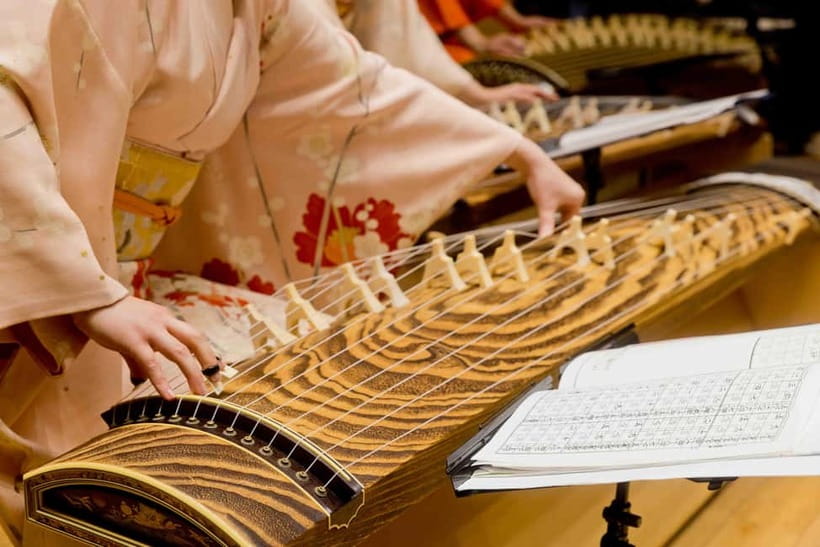
I would book this if Japanese music is new to you and you want more than a quick cultural photo stop. The combination of close seating, skilled musicians, plain English explanations, and four very different instruments gives the hour real substance.
The most praised elements are the musicians’ skill, the host’s translation, the thoughtful explanations, and the mix of old and new music. The surprise Western cover adds fun without taking over the program.
At $38, it is a solid choice for a short cultural activity in Harajuku. Book it while you can still enjoy the small-room atmosphere, especially if you prefer personal contact over a large commercial show.
FAQ
Where is the Japanese Traditional Music Show held?
It is held at Hall 60. The venue is one minute from Meiji-Jingumae Station Exit 7 and about five minutes from JR Harajuku Station’s Omotesando Exit.
How long does the show last?
The concert program lasts one hour.
Which instruments are performed?
The program features the koto, shamisen, shakuhachi flute, and taiko drums. The koto is also described as a Japanese harp.
Is the show available in English?
Yes. The show operates in English and Japanese, with an English and Japanese host or greeter explaining the instruments and music.
Can I take photos or videos?
Yes. You may take photos and videos during the show, and you can take photos with the musicians afterward.
What does the $38 ticket include?
The ticket includes entry to the venue, a reserved seat, and the one-hour concert program. Food, drinks, transportation, and merchandise are not included.
Just added around Japan
- Japanaese tradtional Tsugaru Shamisen music lesson in Tokyo★ 4.5 · 3 reviews
- Tsugaru shamisen performance over traditional dinner★ 5.0 · 9 reviews
- Easy for everyone! Now you can play handmade mini shamisen and show off to everyone! Musical instruments, sweets and live music★ 5.0 · 3 reviews
- Traditional Japanese Music show & Experience Tour in Osaka★ 5.0 · 25 reviews
- Traditional Concert in Public bath near Kyoto Station★ 5.0 · 5 reviews
- Kyoto: Matcha & Traditional Japanese Music Immersive Experience★ 5.0 · 9 reviews
- Private Japanese music concert★ 5.0 · 4 reviews
- Kyoto: Kujo-yu Sento Traditional Japanese Instrument Concert★ 5.0 · 2 reviews
Traditional Music and Dance Shows, compared.

Budapest Danube Cruise and Dinner Options, Live Music and Dance
Read our review →
Dinner Cruise with Live Music and Folk Dance Show
Read our review →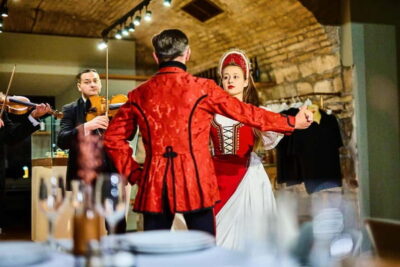
Hungarian Folk Dance & Concert with Dinner Option
Read our review →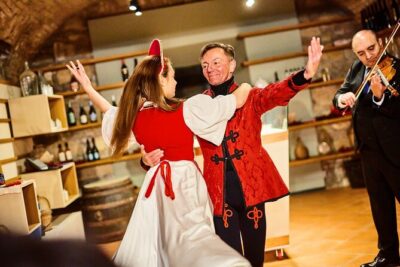
Hungarian Folklore Dance Performance & Concert Ticket
Read our review →
Afro Puerto Rican Folklore Bomba Class and Live Music
Read our review →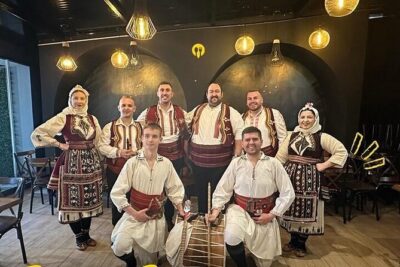
Traditional Balkan Night with Live Music and Dance Skopje
Read our review →
SEOUL: Gugak – Korean Traditional Music Museum&Concert Tour
Read our review →
Cretan Folklore Night with Live Music, Dance, and Greek Dinner
Read our review →Browse the lists this tour appears in