
REVIEW · JAPAN
Concerts Played with Traditional Instruments in Kyoto
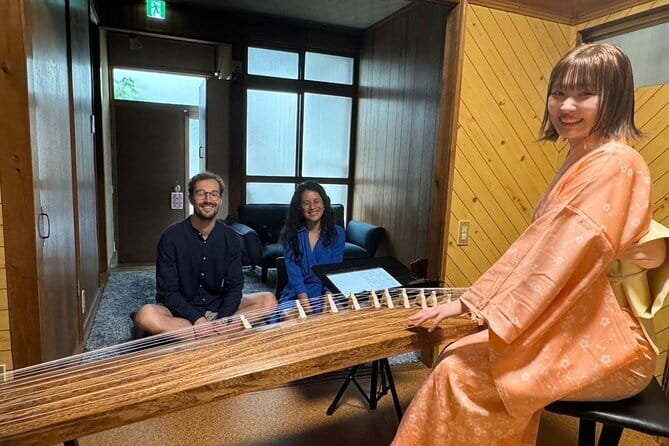
Music sounds different at home. This Kyoto concert brings the koto and shamisen into a traditional Japanese house, creating an intimate setting that a large theater cannot match. I like the clear introduction to the instruments, and I like that the program moves from classical pieces to modern and original works.
The short 50-minute format is easy to fit into a busy Kyoto day, and the post-concert Q&A gives you time to speak with the professional musicians. The main consideration is that this is a focused cultural program, not a full evening show with food or tea, and private transportation is not included.
Key points to know before booking
- A traditional home becomes the concert hall: You hear koto and shamisen music in an intimate domestic setting rather than a large performance venue.
- Classical and modern music share the program: Pieces include Chidori no Kyoku, Rokudan no Shirabe, and Kajimakura, along with contemporary and original compositions.
- The musicians explain what you are hearing: A brief introduction helps you understand the instruments before the performance begins.
- The concert ends with personal contact: You can ask questions and take photos after the music.
- An upgrade adds hands-on koto practice: You can try playing a simple piece yourself.
- Several times are offered during the day: That makes this easier to add between temples, meals, and other Kyoto plans.
Entering Gen Home Saiin in Kyoto
The setting is the first thing that gives this experience its character. At Gen Home Saiin, a traditional Japanese home is arranged as a small stage for Harmonies of Japan. You are not simply watching a formal performance from a distant seat. You are entering a personal space where the instruments and musicians feel close at hand.
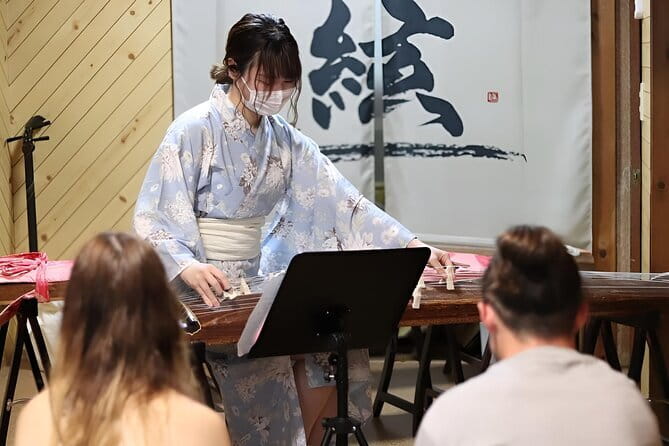
That closeness matters with the koto and shamisen. You can see the musicians work with the strings and follow the physical effort behind each sound. In a large concert hall, some of that detail would be lost. Here, the home setting makes the music feel more direct and personal.
The address is in Kyoto, and the venue is near public transportation. You will need to arrange your own way there, since private transportation is not included. That is not unusual for a short Kyoto activity, but it does mean you should allow enough time to reach Saiin rather than treating the concert as something you can join at the last minute.
The experience is suitable for most people. The available information does not describe stairs, seating arrangements, or specific accessibility services, so anyone with mobility concerns should confirm those details before booking.
More Live Music around Japan:
- Kyoto: Traditional Concert at Townhouse or Bathhouse
★ 4.9 · 224 reviews - Experience the Asakusa Kabuki Opera Show!
★ 5.0 · 99 reviews - Japanese Traditional Music Show in Tokyo
★ 5.0 · 72 reviews
Understanding the koto and shamisen before the music
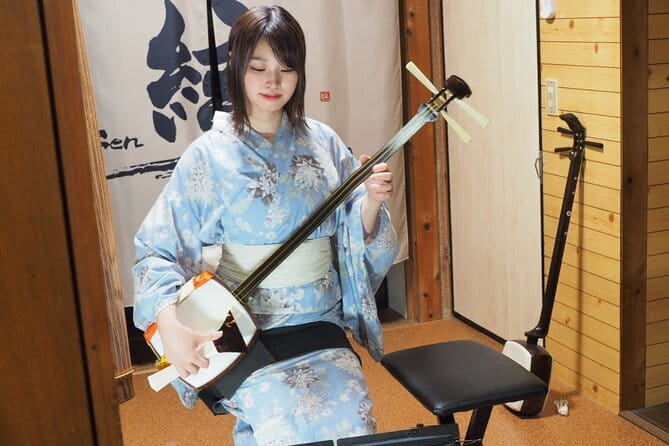
The program begins with a brief introduction to the koto and shamisen. This is a useful part of the experience, not filler before the concert. Traditional Japanese music can be hard to follow if you do not know what to listen for, especially when you are hearing the instruments for the first time.
The koto is a long, stringed instrument played horizontally. The shamisen is a three-stringed instrument with a distinct shape and tone. The introduction gives you a basic frame for hearing the difference between them and noticing how each one contributes to a piece.
I like this approach because it helps you listen with more purpose. Instead of simply deciding that the music sounds beautiful or unfamiliar, you can pay attention to the instrument being featured, the pace of the piece, and the contrast between older compositions and newer works.
The explanations are offered in English, according to the information available about the experience. That is especially helpful if you have little background in Japanese music. The presentation is described as organized and detailed, so you should receive enough context without sitting through a long lecture.
Hearing Chidori no Kyoku and other classical pieces
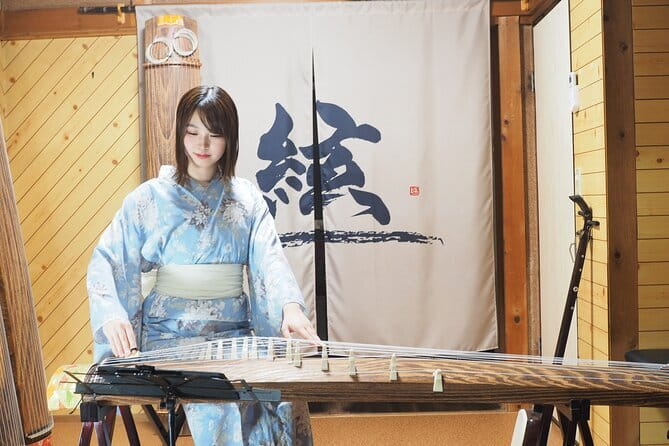
The concert includes classical compositions such as Chidori no Kyoku, Rokudan no Shirabe, and Kajimakura. These works are connected with important figures in koto music, including Yoshizawa Kengyo, Yatsuhashi Kengyo, and Kikuoka Kengyo.
You do not need to know these names before arriving. The value is in hearing music that comes from an established Japanese tradition while sitting in a setting that remains small and approachable. The program gives you an encounter with music itself, not just a quick demonstration of instruments.
Chidori no Kyoku receives particular praise for its emotional effect. One attendee found the piece so moving that it brought tears. That response will not be the same for everyone, of course, but it tells you something useful about the performance: this is not presented as a novelty act or a simple tourist photo opportunity.
The mood may shift from one work to the next. Some pieces may feel calm and reflective, while others can make the technique and rhythm more noticeable. If you prefer familiar melodies or a large-scale concert with a full orchestra, this program may feel too specialized. If you are open to a concentrated introduction to Japanese string music, the format makes good sense.
Modern compositions keep the program fresh
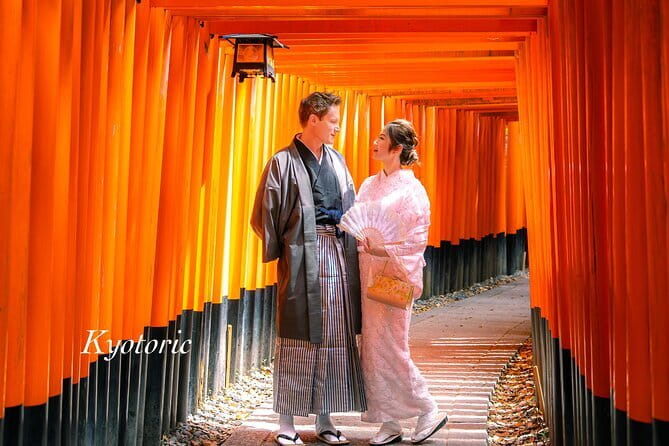
The concert does not stop with historical works. It also includes modern and original compositions, and you may recognize some of the tunes. That mix is one of the program’s strongest features.
A concert made up only of older works could feel demanding if you are new to the style. By including more recent music, the musicians show that the koto and shamisen are not museum pieces. They remain working instruments that can be used for different moods and musical ideas.
I also appreciate the balance between explanation and performance. You receive enough background to understand the tradition, then hear how the musicians use it in more current ways. The result should feel less like a history lesson and more like an introduction to a living art form.
The exact running order and number of pieces are not specified. You should think of this as a compact concert with several works rather than a long recital with a printed program lasting multiple hours.
Same city, a different sound:
- Traditional Japanese Music show & Experience Tour in Kyoto
★ 5.0 · 57 reviews - Kyoto: Japanese Koto & Shamisen Concert and Koto Class
★ 4.9 · 31 reviews - Traditional Japanese Music show & Experience Tour in Osaka
★ 5.0 · 25 reviews - Tokyo: Traditional Asakusa Music Show with Dinner
★ 5.0 · 10 reviews
The Q&A and photo time make the experience personal
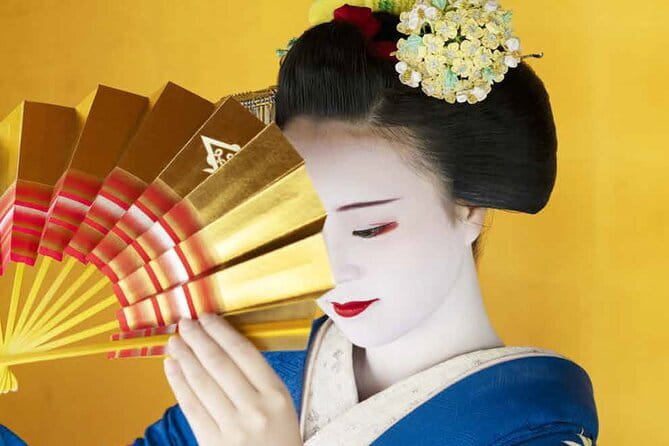
After the music, you can speak directly with the professional musicians in a Q&A session. This is where the private-home setting becomes especially useful. You have a chance to ask about the instruments, the pieces, or the musicians’ work instead of simply applauding and leaving.
The question period is also helpful for families and first-time listeners. Children or adults who have never seen a koto or shamisen up close can ask the basic questions that might feel out of place at a major concert. The tone is intended to be welcoming and organized rather than overly formal.
Photo-taking is included after the performance. That gives you a chance to record the setting and the instruments, subject to the host’s directions. Do not assume that photography is allowed during every piece. Wait for the appropriate time and follow the musicians’ instructions.
This part may be brief, since the full experience lasts about 50 minutes. Still, it adds a human connection that a recorded performance cannot provide. You leave with more than a few minutes of music. You have also had direct contact with the people creating it.
Try the koto with the hands-on upgrade
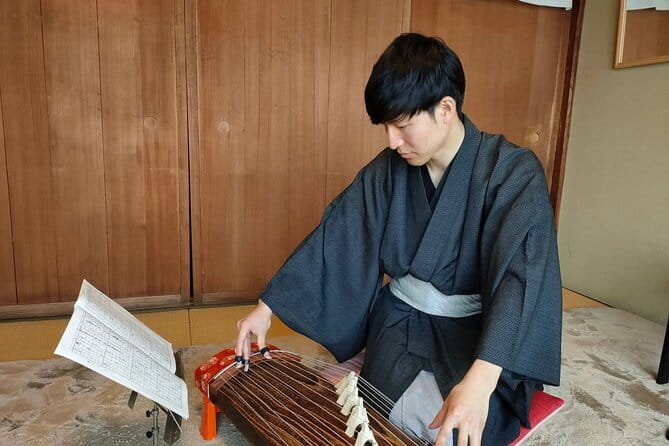
An optional upgrade lets you participate in a hands-on koto session and try playing a simple piece. For many people, this will be the most memorable choice.
Listening to a traditional instrument and touching it are two different experiences. Even a simple exercise can help you understand the spacing of the strings, the control needed to produce a clear sound, and the skill behind the concert you just heard.
The wording is important here: you try a simple piece. This is an introduction, not a full lesson or a chance to become a concert performer in one afternoon. You should book the upgrade for the experience of trying the instrument, not for advanced instruction.
I would especially consider this option if you are traveling with children, enjoy hands-on cultural activities, or want something more active than sitting through a performance. If you mainly want a quiet concert and a short cultural stop, the standard option should be enough.
The available information does not state how long the practice session lasts or exactly how many people participate. Check the selected option carefully before paying, since the hands-on activity is an upgrade rather than part of every booking.
How the 50-minute length affects your Kyoto day
Fifty minutes is a useful length for Kyoto. It is long enough to hear several pieces, receive an introduction, and take part in questions and photos, but short enough to fit between major sightseeing stops.
You might schedule it before lunch, after visiting nearby sights, or during a break from temple touring. Several options are offered throughout the day, which gives you more room to shape your schedule. This flexibility is valuable in Kyoto, where transport and walking can take longer than a map suggests.
The short duration also sets a clear expectation. You are not booking an all-evening cultural event. There is no meal, tea service, or private transfer included. Coffee and tea are specifically not included, so plan your refreshments separately.
The concert’s compact format may suit you if your schedule is full. It may not satisfy you if you want a long evening of music or an extended workshop. The best way to judge it is as a focused cultural stop, not as a complete night out.
What the $39.63 price gives you

At $39.63 per person, the standard booking offers a live concert, a short explanation of the koto and shamisen, access to the Q&A, and photo time. The value comes from the setting and direct contact with the musicians as much as from the music itself.
You are paying for a small-scale experience in a private home rather than a seat in a large public venue. That makes the cost reasonable for someone who wants a personal introduction to Japanese instruments and does not want to spend an entire evening at a formal performance.
The price becomes more worthwhile if you make use of the explanation and Q&A. Simply sitting quietly for 50 minutes would miss part of what makes the program useful. Listen closely, ask a question, and take advantage of the chance to see the instruments at close range.
The hands-on koto session costs extra, though the additional amount is not provided. Check the total before confirming if you are considering the upgrade. Since coffee, tea, and private transportation are not included, add those costs to your own Kyoto budget if needed.
The experience is popular enough that it is booked, on average, 33 days ahead. You do not necessarily need to book that early, but this figure is a useful warning for travelers planning a busy Kyoto visit. If the timing matters to you, reserve before your schedule fills up.
Who will enjoy this concert most
I would recommend this experience to anyone curious about Japanese music but unsure where to begin. The introduction keeps the concert approachable, while the classical and modern pieces offer more substance than a quick demonstration.
It should suit:
- First-time visitors seeking a cultural activity beyond temples and gardens
- Music lovers who enjoy small venues and live performance
- Families interested in a gentle, educational activity
- Visitors who want an English explanation
- People who would like to try a traditional instrument
- Couples or solo visitors looking for a quiet, memorable Kyoto stop
It may be less suitable if you need a full translation of every musical detail, want a large theatrical production, or expect food and transportation to be part of the booking. The program is intimate and focused. That is its appeal, but it also sets limits.
The home setting may also require a little flexibility. You are visiting a real space arranged for performance, not a purpose-built auditorium. If you value atmosphere and personal contact more than polished scale, that tradeoff should work in your favor.
Practical planning for Gen Home Saiin
You receive confirmation at the time of booking, and the experience uses a mobile ticket. Keep the ticket easy to access on your phone, especially if you are moving around Kyoto during the day.
Because private transportation is not included, use the public transportation access near the venue and leave a cushion for finding the entrance. The exact meeting instructions are not provided here, so read the confirmation carefully once you book.
The provider is Gen. The concert is offered at Gen Home Saiin, and admission to the facility is included. WiFi is also listed among the inclusions, though it is not a reason most people would choose this activity.
The booking allows free cancellation if you cancel at least 24 hours before the start time. Changes or cancellations made inside that 24-hour window are not accepted for a refund. The cut-off follows local Kyoto time, so do not wait until the last minute if your plans change.
Should you book this Kyoto music experience?
Book it if you want a short, personal introduction to Japanese music, especially if the idea of hearing koto and shamisen in a traditional home appeals to you. The strongest reasons to go are the close setting, English explanation, mix of classical and modern works, and direct Q&A with professional musicians.
Choose the hands-on upgrade if trying the koto matters to you. Keep the standard option if you mainly want to listen.
I would skip it only if your schedule cannot spare 50 minutes, you want a large concert production, or you expect refreshments and transport to be included. For most visitors seeking an authentic cultural activity without committing to a full evening, this is a well-priced and memorable addition to a Kyoto itinerary.
FAQ
Where does the concert take place?
The concert takes place at Gen Home Saiin in Kyoto, inside a traditional Japanese home arranged as a performance space.
How long does the experience last?
The experience lasts approximately 50 minutes.
What instruments are featured?
The concert features the koto and shamisen, with a brief introduction and explanation of both instruments.
What music will be performed?
The program includes classical pieces such as Chidori no Kyoku, Rokudan no Shirabe, and Kajimakura, along with modern and original compositions.
Is the concert presented in English?
The experience information describes the presentation as being in English.
Is there a Q&A after the performance?
Yes. The concert is followed by a Q&A session with the professional musicians.
Can I take photos?
Photo-taking is available after the concert.
Can I play the koto myself?
Yes, but only with the upgrade option. The hands-on session lets you try playing a simple piece.
Is transportation included?
Private transportation is not included. The venue is near public transportation.
Can I cancel for a full refund?
Yes. You can receive a full refund if you cancel at least 24 hours before the experience start time. Changes or cancellations made less than 24 hours in advance are not accepted for a refund.
Just added around Japan
- Japanaese tradtional Tsugaru Shamisen music lesson in Tokyo★ 4.5 · 3 reviews
- Tsugaru shamisen performance over traditional dinner★ 5.0 · 9 reviews
- Easy for everyone! Now you can play handmade mini shamisen and show off to everyone! Musical instruments, sweets and live music★ 5.0 · 3 reviews
- Traditional Japanese Music show & Experience Tour in Osaka★ 5.0 · 25 reviews
- Traditional Concert in Public bath near Kyoto Station★ 5.0 · 5 reviews
- Kyoto: Matcha & Traditional Japanese Music Immersive Experience★ 5.0 · 9 reviews
- Private Japanese music concert★ 5.0 · 4 reviews
- Kyoto: Kujo-yu Sento Traditional Japanese Instrument Concert★ 5.0 · 2 reviews