
REVIEW · AUSTRIA
Vienna: Classical Masters Concert at Haus der Musik
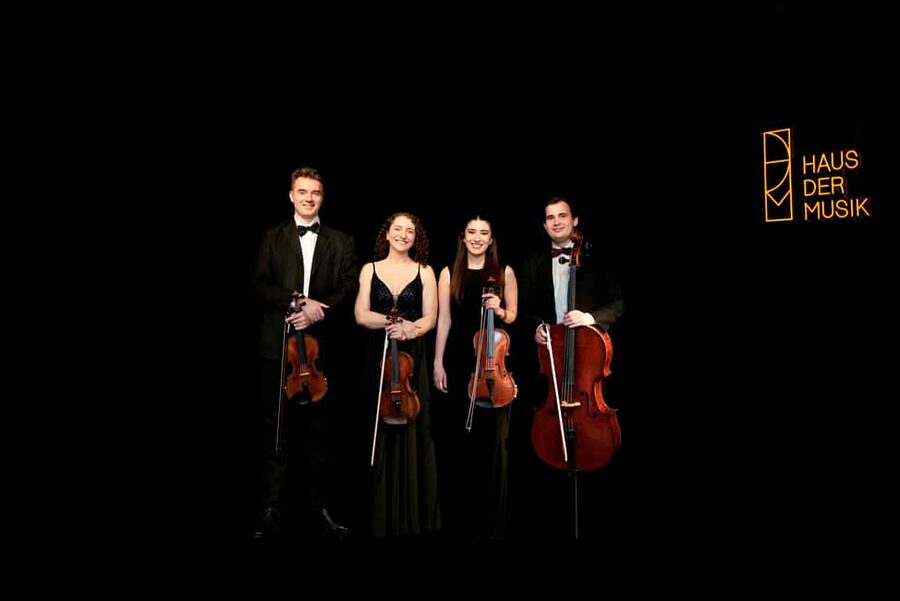
Vienna sounds best from a few feet away. This one-hour concert pairs famous Viennese melodies with the close-up feel of a professional string quartet, all inside Haus der Musik near the State Opera. I like the short running time and the smart choice of familiar pieces, which makes the program easy to enjoy even if classical music is not part of your daily routine.
I also like the friendly introductions before several works, along with the chance to see the musicians at close range. The main drawback is the room itself: one attendee found the top-floor performance space somewhat plain for a concert held inside a music museum. Arrive early, too, because late entry is not permitted once the music begins.
Key points to know before booking
- One hour of live music: A compact program that fits neatly into an evening of sightseeing.
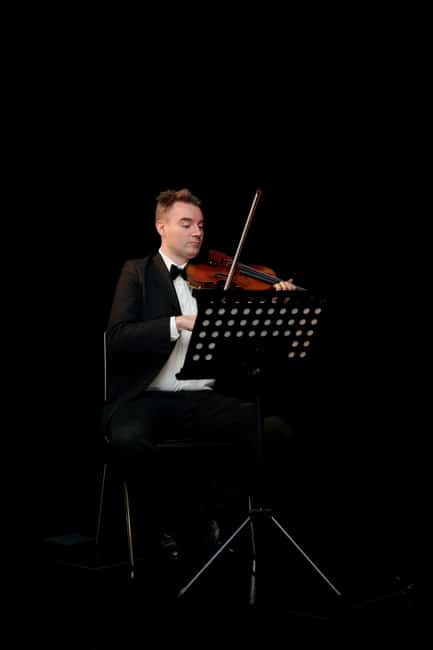
- A professional string quartet: The Wiener Klassik Ensemble performs works associated with Mozart, Haydn, Beethoven, Schubert, and Strauss.
- Intimate seating: The small room puts you close to the musicians, with clear sound and a good view of the stage.
- Familiar melodies: Expect pieces such as Eine kleine Nachtmusik, Ave Maria, The Blue Danube, and Radetzky March.
- Central Vienna setting: Haus der Musik is near the State Opera, making the concert easy to pair with dinner or an evening walk.
- Practical limits: Photography is not allowed, and late arrivals cannot enter after the performance starts.
Arriving at Haus der Musik near the State Opera
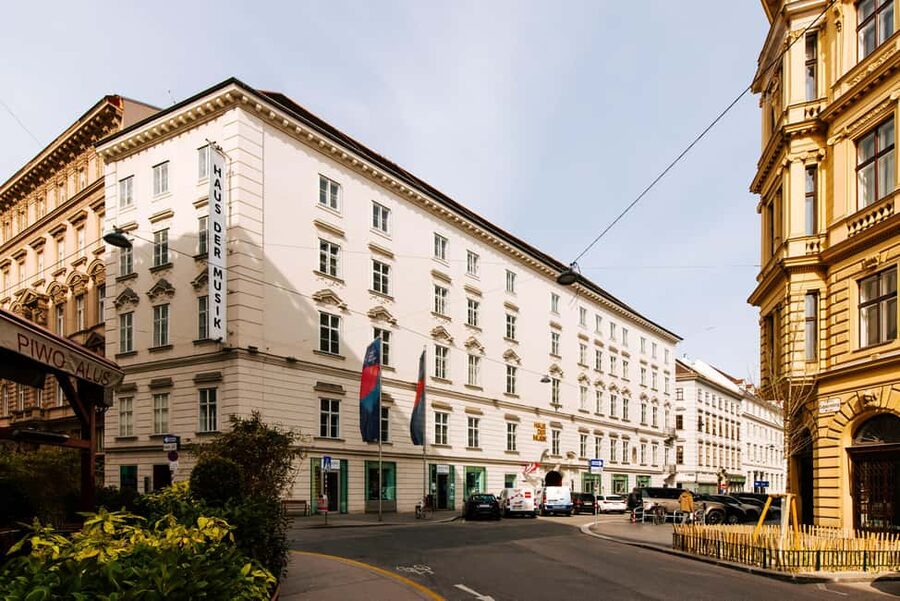
The concert takes place at Haus der Musik, a well-known music museum in central Vienna. Enter through the building’s main entrance and show your ticket to the host. The location near the State Opera makes this a useful choice for a planned night out, especially if you are already exploring the central city.
The venue itself is part of the appeal. You are not heading to a remote concert hall or spending much of your evening getting across town. The setting places you in Vienna’s main cultural center, close to the streets, cafés, and grand buildings that make an evening here feel distinctly Viennese.
Allow enough time to find the entrance, check in, and take your seat. The no-late-entry rule is firm. That is fair to the musicians and the people already listening, but it means you should not treat the start time as a rough suggestion.
The building has lockers for bags and coats, which can be useful if you have been carrying shopping bags or wearing a heavy coat. Staff members help with check-in and seating, and the welcome is available in English and German.
More Classical Concerts around Vienna:
- Vienna: Vivaldi’s Four Seasons Concert in Karlskirche
★ 4.7 · 14,951 reviews - Vienna: Classical Concert in the World-Famous Musikverein
★ 4.6 · 6,673 reviews - Vienna: Mozart Concert at the Musikverein – Golden Hall
★ 4.6 · 5,194 reviews
The room: intimate, clear, and somewhat plain
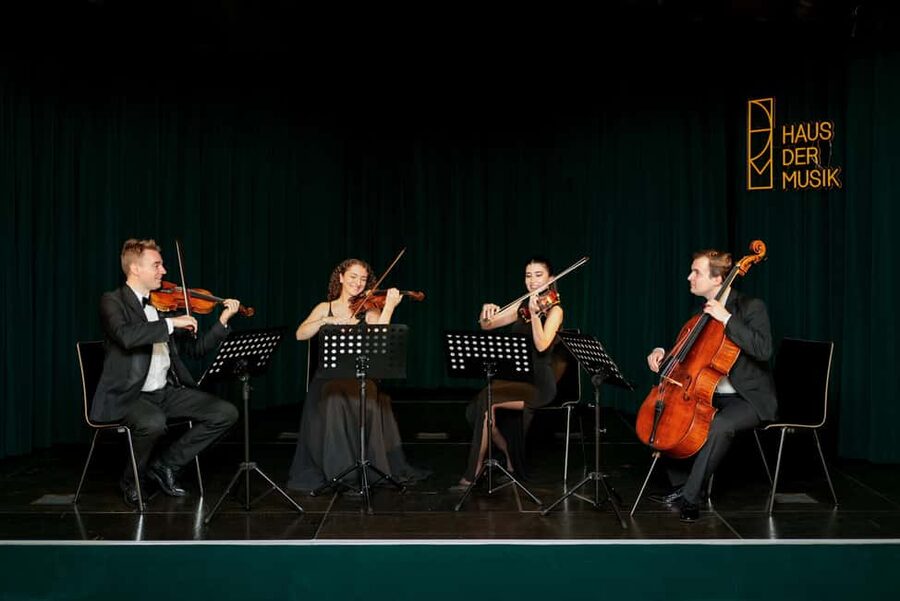
This is a small concert rather than a grand orchestral event. A string quartet needs less space than a symphony orchestra, and the compact room lets you watch the players closely. You can see the bow work, the exchanges between the musicians, and the physical rhythm of four people working as one group.
That closeness received some of the strongest praise. One first-time concertgoer found herself about two meters from a violinist after being offered a front-row seat. Another attendee enjoyed the clear view and said the acoustics worked very well. If you have never attended a classical concert, this setup can feel less formal and less intimidating than a large concert hall.
There is one visual compromise. The concert room is on an upper floor and has been described as featureless. A few simple decorative touches might make the stage feel more festive, especially given the museum setting. You are paying for the music, not an ornate hall, so this matters most if the look of the room is important to you.
The sound appears to be the stronger part of the room. Reports describe balanced acoustics and expressive playing, with enough clarity to hear individual instruments without losing the group’s combined sound. In a quartet, that balance matters. You want the first violin to sing, but you also want the viola and cello to have their share of the conversation.
A one-hour program built around familiar masters
The concert is designed as a compact tour through the Viennese classical tradition. The program features Mozart, Haydn, Beethoven, Schubert, and Strauss. It is not a single-composer recital, and it is not meant to be an exhaustive history lesson. Instead, you get recognizable highlights in a format that keeps the evening moving.
The advertised selection includes:
- Mozart’s Eine kleine Nachtmusik and the Dissonance Quartet
- Haydn’s Emperor Quartet and The Joke
- Beethoven’s String Quartet No. 4 and Ode to Joy
- Schubert’s Ave Maria and Death and the Maiden
- Strauss’s The Blue Danube and Radetzky March
The exact sequence can vary, so think of this as a menu of musical highlights rather than a guaranteed running order. The selections cover several moods: light and playful, lyrical and tender, serious and dramatic, then bright and celebratory.
That variety is one of the experience’s best features. You do not need to know the difference between every period of classical music to enjoy the contrast. Mozart brings elegance and balance. Haydn supplies wit. Beethoven adds force and emotional weight. Schubert brings melody and melancholy. Strauss gives the evening its unmistakable Viennese finish.
Mozart and Haydn: wit, polish, and easy entry points
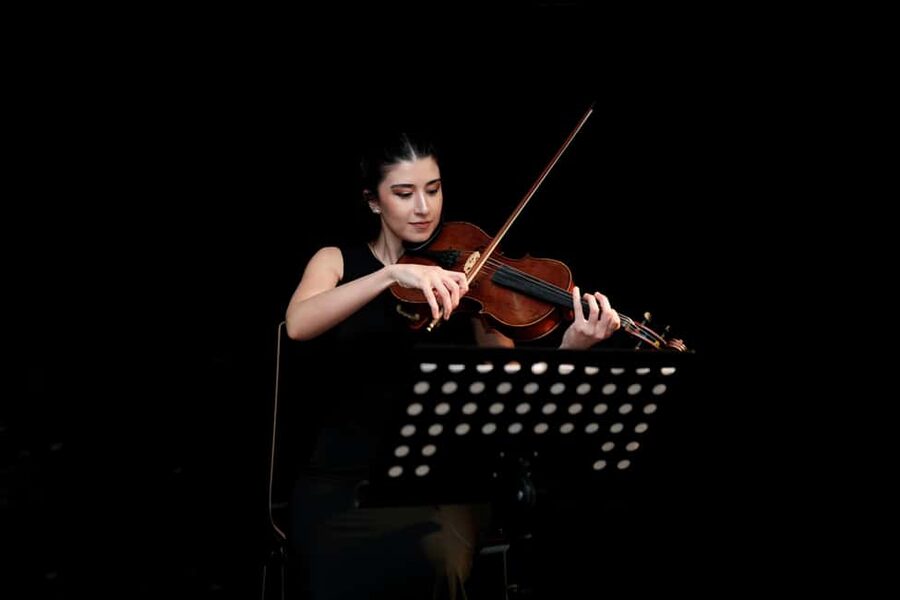
Mozart’s Eine kleine Nachtmusik is one of those pieces you may recognize within seconds. Hearing it played by four musicians rather than a full orchestra gives you a clearer sense of how the lines pass between instruments. The music remains graceful, but the smaller group makes the structure easier to follow.
The Dissonance Quartet offers a different side of Mozart. It is more serious and textural, giving the quartet a chance to show careful ensemble work rather than simply playing the best-known tune.
Haydn’s Emperor Quartet and The Joke bring a lighter character. Haydn was especially good at musical surprises and playful timing, which can make the piece enjoyable even if you rarely listen to chamber music. A short explanation before the performance helps you know what to listen for.
Several people especially liked these introductions. The quartet leader has been described as eloquent, friendly, and engaging when giving context before the music. The information is brief rather than academic, so you get a little help without losing too much of the one-hour performance.
More Live Music around Vienna:
- Vienna: Classical Concert in St. Anne’s Church (Annakirche)
★ 4.6 · 3,414 reviews - Vienna: Mozart and Strauss Concert at Schönbrunn
★ 4.5 · 2,967 reviews - Vienna: Classical Concert at Mozart’s First House
2,423 reviews - Vienna Classical Concert at St. Peter’s Church
★ 4.5 · 2,039 reviews
Beethoven and Schubert: the more serious middle of the program
Beethoven’s String Quartet No. 4 gives the musicians room to show intensity and precision. A quartet can make Beethoven feel immediate because every instrument has a clear role. You are not sitting far away from a large mass of sound. You are close enough to notice the push and pull between the players.
The inclusion of Ode to Joy adds a familiar lift. Many listeners know the melody from its wider use in concerts, ceremonies, and films. Hearing it in a string arrangement makes it feel more personal and direct.
Schubert’s selections move toward a more lyrical and reflective mood. Ave Maria is a melody many people already know, while Death and the Maiden brings darker energy. These pieces help prevent the program from becoming a parade of cheerful favorites. You get tenderness and tension as well as easy charm.
If you are new to classical concerts, this range is helpful. You can enjoy the recognizable melodies while also hearing how composers use a quartet to create intimacy, drama, and contrast.
Strauss provides the unmistakable Vienna finish
The Blue Danube is the piece most likely to make the city around you feel part of the performance. In a quartet arrangement, the familiar waltz becomes lighter and more transparent than the grand orchestral version. You can hear the melody pass through the group while still feeling its famous Viennese sway.
Radetzky March brings a more spirited close. It is a natural choice for a short concert meant to leave you in a good mood. The selection also gives the program a clear local identity. Mozart, Haydn, Beethoven, and Schubert belong to the broader classical tradition, but Strauss connects the music directly to Vienna’s public image.
The musicians do not simply play a list of famous works. Their brief comments and audience interaction help connect each piece to the evening. That personal touch was often appreciated, particularly by people who wanted more than a silent performance with no explanation.
What the performance feels like up close
The strongest feature here is proximity. You are close enough to observe the quartet’s coordination, facial expressions, and physical timing. That can make the experience feel more alive than a distant seat in a large hall.
The musicians are young, professional, and comfortable engaging with the audience, based on the supplied performance details. Several accounts describe the quartet as expressive, technically precise, and well balanced. One person called the musicians charismatic, while another praised their passion and precision.
This is not a formal concert where the performers disappear behind a strict wall of ceremony. The introductions make the night friendlier, and some people spoke with the musicians afterward. That may appeal to you if you want a cultural activity that feels personal rather than grand or intimidating.
At the same time, keep your expectations realistic. The performance lasts one hour, and the setting is intimate rather than lavish. You are not booking an entire evening of opera, a full symphony, or a concert inside one of Vienna’s most ornate historic halls.
Is $27 good value?
At $27 per person, this is a strong value for a central Vienna cultural activity. You receive a live performance by a professional quartet, a one-hour program, and a location near the State Opera. The price is especially reasonable if you want classical music without committing to a longer or more expensive evening.
The value comes from the format. A one-hour concert is long enough to feel substantial but short enough to fit between dinner and another activity. You can add it to an evening without giving up half a day or planning your whole schedule around it.
You should remember what is not included. Transport, food, and drinks are separate. This is a concert ticket, not a dinner package or a guided tour of the museum. If you want to visit Haus der Musik as a museum, that is also a separate decision.
Booking is flexible, with free cancellation up to 24 hours in advance and a reserve-now, pay-later option. Those terms can help if your Vienna plans are still changing. Wheelchair access is available, and private groups can be arranged.
Who will enjoy this concert most?
I would recommend it to first-time classical listeners, couples planning a cultured evening, solo visitors, and anyone who wants recognizable music in a small setting. The familiar pieces remove much of the pressure that can come with attending a formal classical concert for the first time.
It also suits a short Vienna stay. You get a concentrated taste of the city’s musical identity without spending an entire night at a large venue. The central location makes it easy to combine with dinner, an evening stroll, or time near the State Opera.
Families should think carefully about the age and temperament of their children. Children under six may enter free, but they must sit on a parent’s lap and do not receive a separate seat. Young children who talk or fidget may distract others in the quiet room, so this is best for children who can remain still for an hour.
Solo visitors can also feel comfortable here. The staff are described as helpful, and the small room makes a single seat feel natural rather than awkward. If you are attending alone, arriving early may improve your choice of seat, though seating arrangements can vary.
Practical advice for a smooth evening
Buy or reserve ahead if the time you want matters, then check the starting time carefully. The activity runs for one hour, but available start times can differ.
Enter through the main entrance of Haus der Musik and have your ticket ready. Give yourself enough time for the host to check you in and direct you to your seat. Late entry is not allowed after the music begins.
Photography inside is prohibited. Put your phone away and enjoy the close view without trying to record it. The no-photo rule also helps protect the quiet mood of the room.
If you have a coat or larger bag, ask about the available lockers. You may find it easier to enjoy the music without holding belongings under your chair.
You can also consider visiting the Haus der Musik museum before or after the concert, though the museum visit is not included in the concert ticket. That pairing makes sense if you want a fuller music-themed outing, but the concert itself remains a separate one-hour activity.
Should you book the Wiener Klassik Ensemble?
Book it if you want accessible classical music, close seating, and a central location at a moderate price. The quartet’s program is built around pieces you are likely to recognize, while the short introductions give the music just enough context.
Skip it if your main goal is an ornate concert hall, a full orchestra, or a long formal production. The performance room is plain, and the one-hour format is intentionally compact.
For most visitors, I think the balance works well. You get excellent musical access, a friendly presentation, and a genuine Viennese theme without paying grand-opera prices. Arrive on time, keep young children’s needs in mind, and expect the music rather than the room to provide the evening’s main spectacle.
FAQ
How long does the concert last?
The concert lasts one hour.
Where does the concert take place?
It takes place at Haus der Musik in Vienna, near the State Opera.
Which musicians perform?
The Wiener Klassik Ensemble performs as a professional string quartet specializing in Viennese classical music.
Which composers are included?
The program features Mozart, Haydn, Beethoven, Schubert, and Strauss.
What pieces may be performed?
The listed highlights include Eine kleine Nachtmusik, the Dissonance Quartet, the Emperor Quartet, The Joke, Beethoven’s String Quartet No. 4, Ode to Joy, Ave Maria, Death and the Maiden, The Blue Danube, and Radetzky March.
Is the concert available in English?
The welcome and hosting are available in English and German.
Can children attend?
Children under six are welcome free of charge, but they must sit on a parent’s lap for the entire performance and do not receive a separate seat.
Is the venue wheelchair accessible?
Yes, the activity is wheelchair accessible.
Can I take photographs during the concert?
No. Photography inside is not permitted.
Just added around Vienna
- Vienna: Romantic Classics Piano, Violin, and Cello Concert★ 4.7 · 60 reviews
- Vienna: Sunday Brunch Danube Cruise & Live Music★ 4.2 · 42 reviews
- Vienna: Concert by the Vienna Baroque Orchestra★ 4.6 · 56 reviews
- Vienna: Musical Tickets THE PHANTOM OF THE OPERA★ 4.9 · 132 reviews
- Vienna Private Walking Tour including State Opera★ 3.2 · 7 reviews
- Vienna Supreme Orchestra at Palais Niederösterreich★ 4.8 · 10 reviews
- Vienna: Mozart Concert with Dinner and Carriage Ride★ 4.8 · 25 reviews
- Vienna: Classical Concert in the historic 1837 Strauss-Hall★ 4.5 · 39 reviews
Classical Concerts, compared.
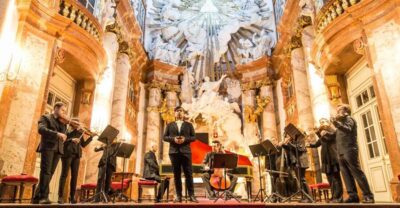
Vivaldi’s Four Seasons Concert in Karlskirche
Read our review →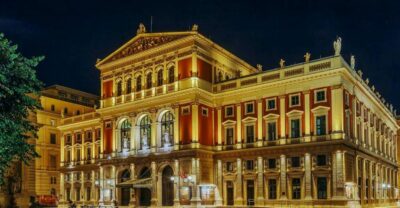
Classical Concert in the World-Famous Musikverein
Read our review →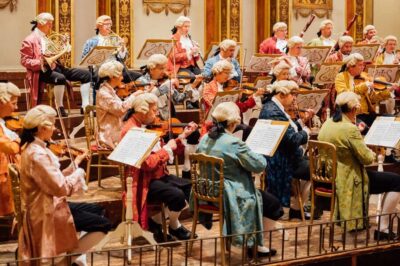
Mozart Concert at the Musikverein – Golden Hall
Read our review →
Entry Ticket Classical Concert at the Mirror Chapel
Read our review →
Classical Concert in St. Anne’s Church (Annakirche)
Read our review →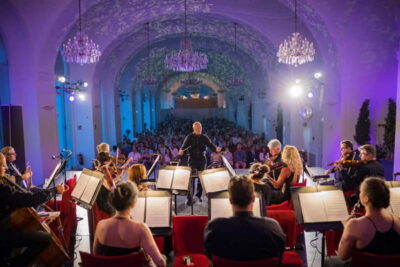
Browse the lists this tour appears in