
REVIEW · NEW DELHI
Old Delhi Haveli with live Classical dance, music & cuisine
Old Delhi saves its best rooms for the curious. This three-hour cultural outing links a lively old-town walk with two restored havelis, live sitar and tabla, Kathak dance, and a meal of local Delhi dishes. I especially like the small group size of seven and the chance to see historic homes being cared for rather than only viewing grand monuments from the street.
I also like the simple mix of transport, with a tuk-tuk and metro ride helping you reach the old city. The main consideration is the meeting-point arrangement: hotel pickup and drop-off are not included unless you book the applicable option, so you need to reach Chanakyapuri or Rajiv Chowk yourself.
Four things to know before you book
- Two restored havelis: You visit old merchant homes filled with antiques, art, architecture, and literary objects.
- Live sitar, tabla, and Kathak: The music and dance take place inside an intimate historic setting, not on a distant stage.
- A real Old Delhi route: The outing includes Khari Baoli, Chawri Bazar, and short stretches by tuk-tuk, metro, and on foot.
- Lunch is included: You eat local Old Delhi delicacies inside the haveli, while drinks are not included.
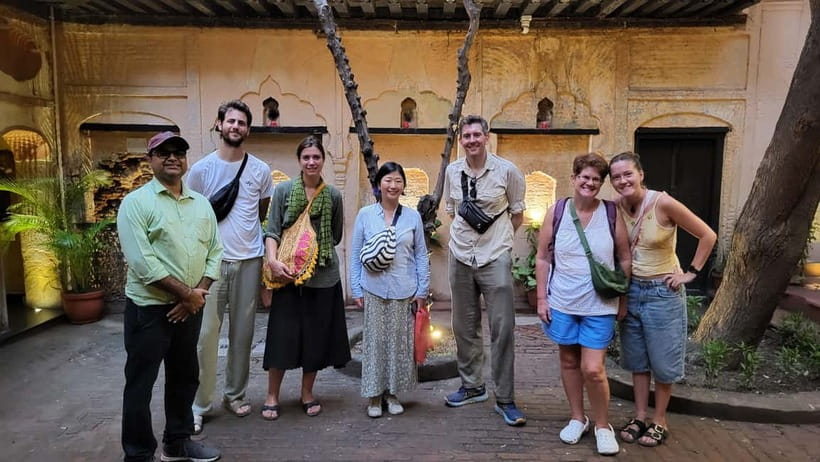
- Small English-speaking group: The group is limited to seven, and the guide can answer questions about local culture and architecture.
- Good cancellation flexibility: You can cancel up to 24 hours before the start for a full refund, and reserve now while paying later.
Why this Old Delhi experience feels different
Old Delhi can easily become a blur of traffic, spice shops, crowded lanes, and famous buildings. This experience gives the area a clear purpose. You are not simply passing through the old city on the way to Jama Masjid or the Red Fort. You are going inside an old home, sitting down for a performance, and learning how music, dance, food, and domestic architecture fit together.
That change of pace matters. After the noise of the lanes, a haveli offers cool, quiet rooms and a chance to look closely at old objects. You can examine the decorative details, furnishings, and preserved artifacts while your guide explains the people and traditions connected with the building.
The tour is led in English and limited to seven people. That is a useful size for Old Delhi, where a large group can become difficult to manage on narrow streets. It also gives you a better chance to ask questions. Jai, who handles communication for the experience, has been praised for clear contact before the visit and for adding personal information during the outing.
The stated price is $98 per person. That is not a budget walking tour, but it covers several separate experiences: local transport during the route, a guide, two haveli visits, live music, dance, and lunch. If you would otherwise pay separately for a cultural performance and a guided Old Delhi walk, the price can make sense. It is less attractive if you mainly want a quick street-food walk or a simple monument visit.
More Classical Concerts around the world:
- Vienna: Vivaldi’s Four Seasons Concert in Karlskirche
★ 4.7 · 14,951 reviews - Vienna: Classical Concert in the World-Famous Musikverein
★ 4.6 · 6,673 reviews - Vienna: Mozart Concert at the Musikverein – Golden Hall
★ 4.6 · 5,194 reviews
Reaching the old city by tuk-tuk and metro
You begin at one of two meeting points: Chanakyapuri or Rajiv Chowk. The description explains that the route uses a combination of tuk-tuk and metro, giving you a small taste of how people move between New Delhi and the old quarter.
I like this part because the journey itself becomes part of the lesson. You are not sealed inside a private vehicle for the entire outing. You get a short look at public transport and the shift from the broad avenues of New Delhi toward the tighter streets of Old Delhi.
You should pay attention to the wording about pickup. Hotel pickup and hotel drop-off are not included unless you select an option that specifically provides them. At the end, the representative can offer directions for getting an Uber, metro, or tuk-tuk to your next stop, but you should plan your own return route.
Once you arrive, the tour continues on foot. One section is listed as about 15 minutes of walking, but the full Old Delhi portion involves bylanes and historic market areas. Wear comfortable shoes and expect uneven surfaces, crowds, and the usual street activity of a major old quarter.
Khari Baoli and the first look at Old Delhi
The route includes a guided visit around Khari Baoli, with about 30 minutes set aside for this part of the outing. Khari Baoli is associated with Old Delhi’s traditional trading streets and gives you a useful setting for understanding how commerce shaped the neighborhood.
This is not presented as a shopping tour. That distinction is important. You are there to see the area with a guide and learn about the old city, rather than being taken from one store to another with pressure to buy.
The market lanes can be intense, especially if you are not used to Old Delhi. The reward is the feeling of a working district rather than a staged attraction. You will see how the old quarter functions as a living part of the city, with historic buildings mixed into everyday business.
The time is short, so do not expect a long market exploration. Think of Khari Baoli as an introduction before the focus shifts to the havelis and performances.
Entering a restored haveli
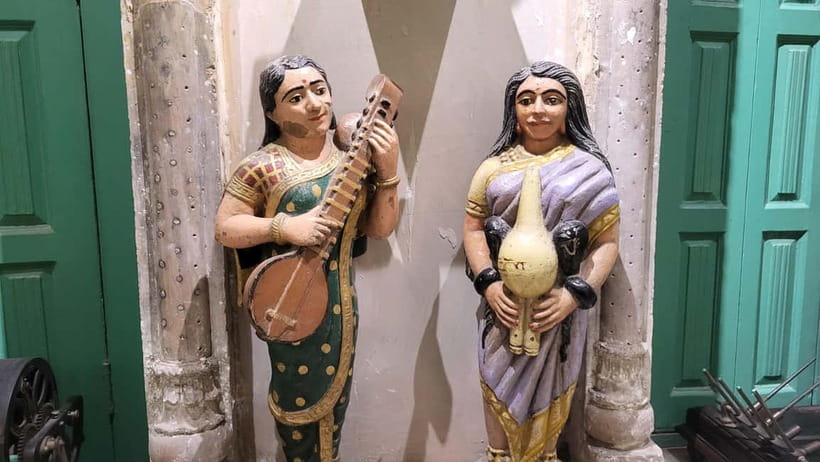
The most memorable part of the outing is likely the move from the street into an old haveli. These large historic homes were built for wealthy families, and the restored interiors offer a more personal view of Delhi’s past than a monument viewed from outside.
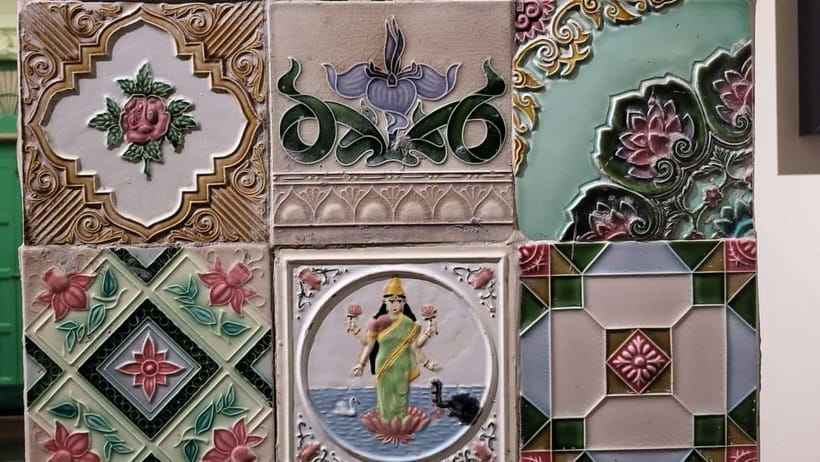
Inside, you can expect old objects, architectural details, and a museum-like collection of Indian art, architecture, and literature. The setting has been described as carefully restored, with the rooms retaining the feeling of a former private home rather than becoming a generic event hall.
That distinction gives the performance extra weight. You are not watching Indian classical music in an anonymous theater. You are sitting inside a building connected to the social world in which music, dance, family life, and hospitality once came together.
The site is associated with the Kathika Cultural Centre and Museum. Its restoration work is tied to an effort to save abandoned havelis in the center of Old Delhi. You also visit another old haveli across the street, which has been restored as a bed-and-breakfast. Seeing both buildings helps you compare different ways historic homes can be brought back into use.
This is also the best place to ask questions. The tour includes a local storyteller, and the guide can discuss the architecture, objects, customs, clothing, and food traditions you encounter. With only a few people in the group, those conversations should be easier than on a large city tour.
More Live Music around the world:
- Venice: La Fenice Opera House Entry Ticket with Audio Guide
★ 4.6 · 11,742 reviews - Sydney: Opera House Guided Tour with Entrance Ticket
★ 4.8 · 8,312 reviews - New Orleans Steamboat Natchez Jazz Cruise with Dinner Option
★ 4.0 · 7,533 reviews - Budapest Danube Cruise and Dinner Options, Live Music and Dance
★ 4.5 · 7,428 reviews
Sitar and tabla in an intimate room
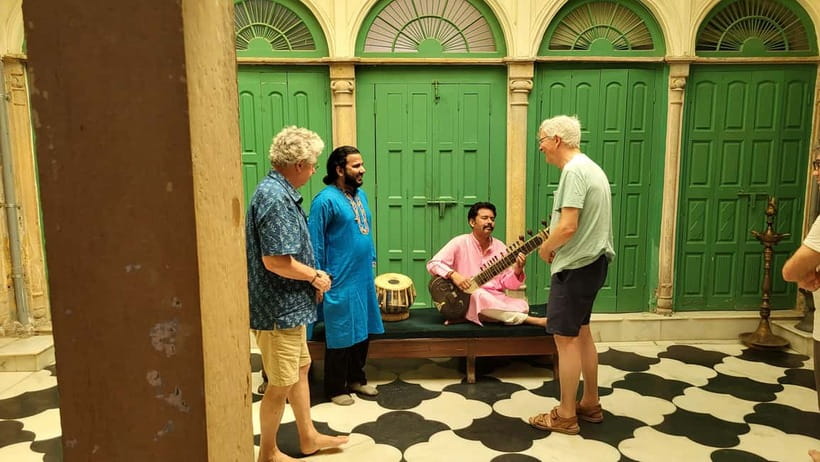
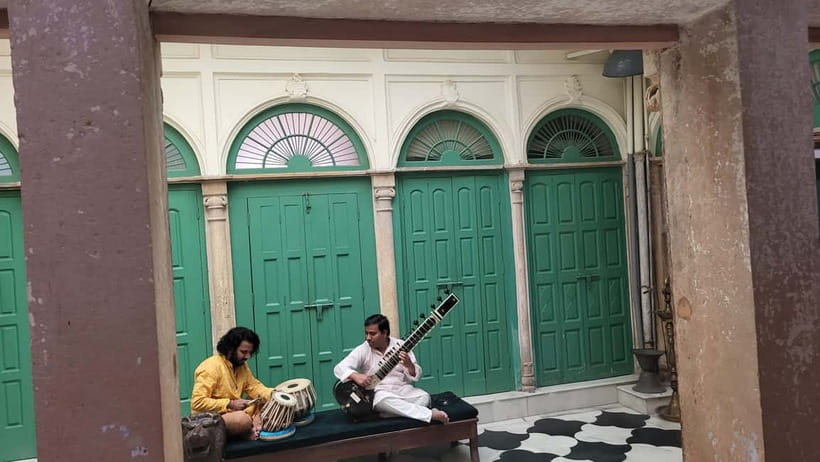
The music portion lasts about 30 minutes in the published schedule. You see two musicians perform together, one on sitar and one on tabla.
The sitar is a plucked string instrument linked with North Indian classical music. The tabla is a pair of hand drums that provide the rhythmic foundation. Seeing both instruments performed live helps you understand how melody and rhythm interact, especially if your knowledge of Indian music is limited.
This is not meant to be a long concert in a major auditorium. The appeal is closeness. You can watch the musicians’ hands, hear the relationship between the stringed instrument and drums, and experience the sound in an old architectural setting.
The schedule places the concert after the dance stop, although the exact order may depend on the day’s arrangements. Allow a little flexibility rather than treating the timing as a series of rigid public shows.
For many people, this will be the part that turns the outing from a sightseeing walk into a cultural experience. The music is live, the room is historic, and the small group keeps the atmosphere personal.
Kathak dance and the stories told by movement
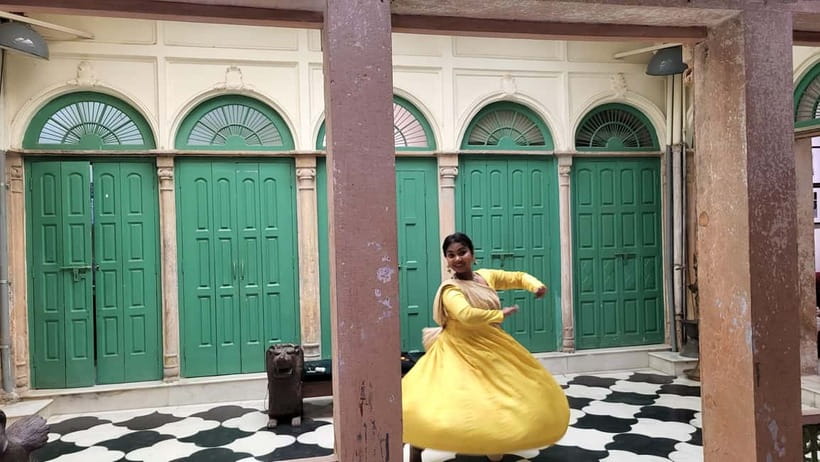
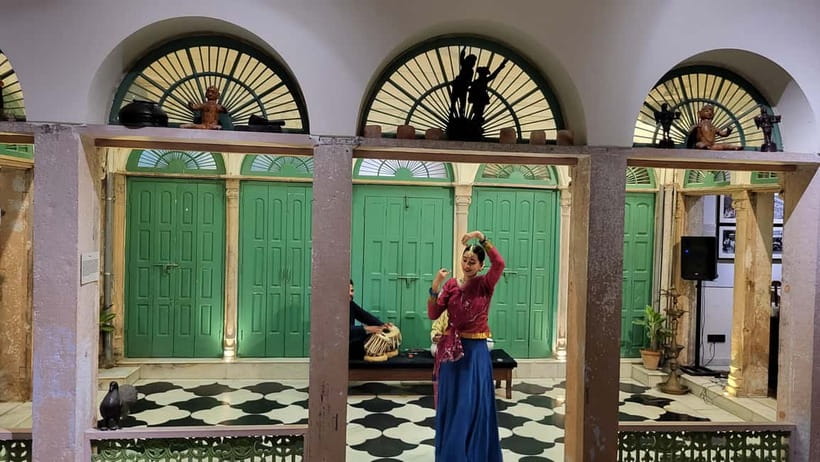
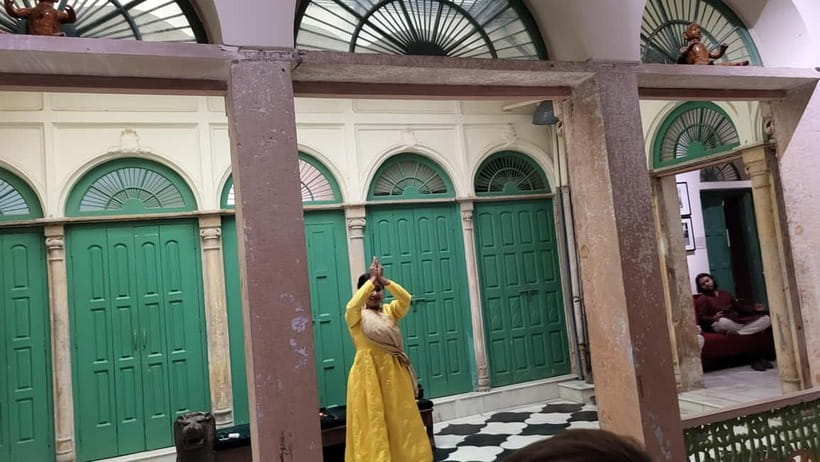
The dance performance is scheduled for about one hour at Chawri Bazar. It focuses on Kathak, a North Indian classical dance form known for precise footwork, hand gestures, facial expression, and controlled turns.
Kathak is not simply a display of costumes and movement. The dancer uses the body to tell stories, often drawing on folk and cultural traditions. Watch the feet as much as the hands. The rhythm is an important part of the performance, and the facial expressions help carry the meaning.
A one-hour dance presentation gives you time to see more than a brief sample. It also gives the performer room to explain or develop the storytelling element, though the exact format is not specified.
The venue matters. A historic haveli creates a close relationship between dancer and audience. You are likely to notice small gestures and footwork more clearly than you would from the back of a large theater.
If you are new to Indian classical dance, do not worry about knowing the stories in advance. The guide and performers provide context, and the visual language remains engaging even when you do not recognize every reference.
Lunch among antiques and old-world details
Lunch is included and features local Old Delhi delicacies. You eat inside the haveli, surrounded by its antique atmosphere rather than stopping at a standard restaurant.
This is an important part of the experience because food gives you another way to understand the neighborhood. The meal is not treated as a quick break between attractions. It becomes part of the visit, alongside music, dance, and the old house itself.
The exact dishes are not specified, so you should not book this expecting a fixed menu of named specialties. You can expect local flavors from Old Delhi, but the available information does not promise particular dishes or dietary substitutions.
Drinks are not included in the stated inclusions. One account of the experience describes drinks being offered at no additional cost, but the formal details say drinks are excluded, so I would budget for beverages rather than assume they are covered.
The haveli also has clean bathrooms, a practical detail that matters during a walking tour in Old Delhi. After a meal and several hours in the old city, that convenience is welcome.
A second haveli and a closer look at restoration
The second haveli adds depth to the visit. Instead of seeing one restored building and treating it as a complete picture of Old Delhi architecture, you get another example across the street.
The two properties help you see how historic homes can be used today. One functions as a cultural center and museum, while the other has been restored as a bed-and-breakfast. The work is linked to a personal effort to preserve old homes despite the difficulties of restoring buildings in a dense, active neighborhood.
I find this aspect particularly valuable because restoration can otherwise feel abstract. Here, you see rooms that have been repaired, objects that have been preserved, and buildings that are being given a new purpose.
The visit is not a full architectural course. Still, you have the chance to ask about design, ownership, daily life, and the traditions connected with the homes. The tour works best when you are curious and willing to look beyond the performance itself.
What the three-hour schedule really means
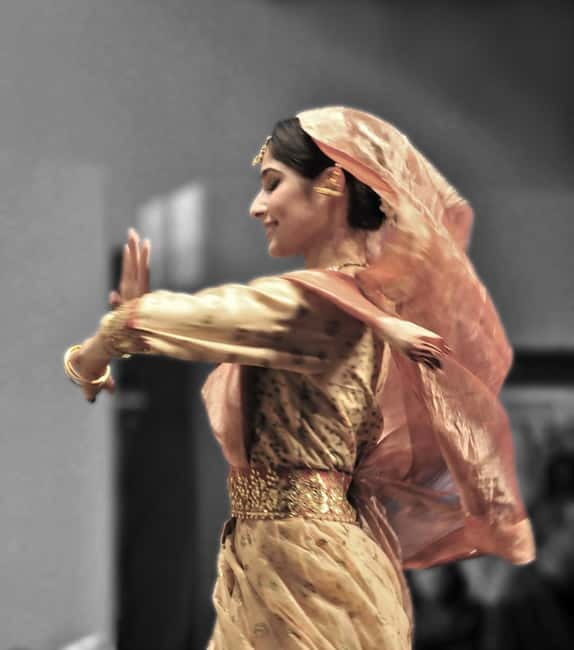
Three hours is enough for a focused introduction, not a complete Old Delhi day. The schedule includes roughly 15 minutes on foot, 30 minutes around Khari Baoli, one hour for dance, and 30 minutes for music, with the remaining time used for transport, the haveli visits, lunch, introductions, and transitions.
That makes the experience efficient, but it also means the pace may feel full. You will not have unlimited time to wander, shop, or photograph every street. The value comes from the variety packed into a short outing.
The small group limit helps. A group of up to seven can move through narrow lanes more easily and keep conversations practical. In one case, a guest was the only participant, which allowed for especially personal explanations. You should not assume a private tour every day, but the group limit gives you a better chance of individual attention.
The published meeting and ending points are Chanakyapuri and Rajiv Chowk. Confirm the exact starting arrangement when booking, particularly if you are staying far from either location or need to connect with another activity afterward.
Who will get the most from this experience
I would recommend this outing to you if you want several sides of Delhi in one compact package:
- You enjoy music and dance but prefer a small cultural setting to a large theater.
- You want access to old homes and museums, not only major public monuments.
- You like guided walking routes that include local transport and everyday streets.
- You are curious about food, architecture, art, and customs at the same time.
- You have only a short window in Delhi and want a structured cultural introduction.
It may be less suitable if you want a relaxed, unplanned wander through Old Delhi. The three-hour schedule has several fixed elements, and the transport arrangements require attention.
It is also not the right choice if your main goal is to go inside Jama Masjid. Entry to Jama Masjid is not included, and going inside is not compulsory. The route focuses instead on the havelis, market area, music, dance, and lunch.
Booking advice and final verdict
At $98, this is a premium half-day-style experience compressed into three hours. I think the price is fair if you value the live performances and the restored interiors. A separate concert, museum visit, local guide, lunch, and Old Delhi transport could easily become more complicated to arrange on your own.
The strongest reasons to book are the two havelis, the Kathak performance, and the chance to hear sitar and tabla in an intimate room. The most useful practical tip is to confirm transport and pickup details before you go. If hotel pickup is important, select the relevant option or ask about it in advance.
You should book this experience if you want a thoughtful introduction to Old Delhi that goes beyond markets and monuments. You should skip it if you prefer a flexible street walk, need a full meal and drinks clearly included, or want a longer visit to individual sights. For the right audience, it offers a memorable look at Delhi through music, movement, food, and living architecture.
FAQ
Where does the experience start?
You can meet the representative at Chanakyapuri or Rajiv Chowk. Hotel pickup and drop-off are not included unless you book an applicable option.
How long does the experience last?
The total duration from pickup or meeting point through the end is three hours.
What transportation is used?
The route uses a combination of tuk-tuk and metro, followed by walking through Old Delhi.
Is the tour conducted in English?
Yes. The live tour guide and storytelling are provided in English.
What performances are included?
The experience includes live classical music with sitar and tabla, along with a live Kathak dance performance.
Is lunch included?
Yes. Lunch featuring local Old Delhi delicacies is included. Drinks are not included in the stated inclusions.
How large is the group?
The experience is limited to seven participants.
Can I cancel my booking?
Yes. You can cancel up to 24 hours in advance for a full refund. You can also reserve now and pay later.
Just added around the world
- Wrocław: Chopin & Friends piano concerts★ 4.6 · 28 reviews
- Wine, Jazz and Magic: A Night at Malkhaz Jazz Club★ 5.0 · 2 reviews
- Warsaw: Guided Walking Tour with a Private Chopin Concert★ 5.0 · 13 reviews
- Warsaw: Candlelight Concert at Fryderyk Concert Hall★ 4.7 · 110 reviews
- Warsaw: Chopin Concert Ticket With Glass of Champagne★ 4.7 · 59 reviews
- Vienna: Romantic Classics Piano, Violin, and Cello Concert★ 4.7 · 60 reviews
- Vienna: Sunday Brunch Danube Cruise & Live Music★ 4.2 · 42 reviews
- Vienna: Concert by the Vienna Baroque Orchestra★ 4.6 · 56 reviews
Classical Concerts, compared.
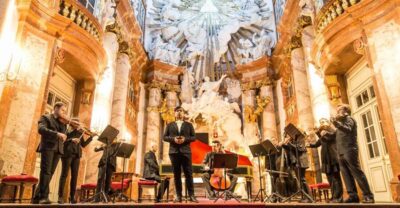
Vivaldi’s Four Seasons Concert in Karlskirche
Read our review →
Classical Concert in the World-Famous Musikverein
Read our review →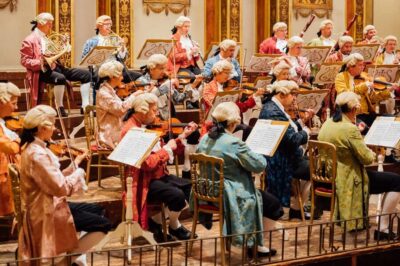
Mozart Concert at the Musikverein – Golden Hall
Read our review →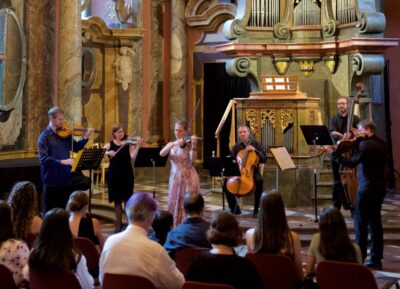
Entry Ticket Classical Concert at the Mirror Chapel
Read our review →

Classical Concert in St. Anne’s Church (Annakirche)
Read our review →
Browse the lists this tour appears in