
REVIEW · SEOUL
SEOUL: Gugak – Korean Traditional Music Museum&Concert Tour
Hear Korea’s past in a living form. This 140-minute outing pairs the Korean Traditional Music Museum with a live Gugak concert at the National Gugak Center in Gyeonggi Province. I like the clear two-part design: you first learn what you are hearing, then watch musicians perform it. I also like the small group, limited to 10 people, which gives the English-speaking guide room to explain instruments and customs without shouting across a crowd.
The main consideration is transport. Getting to and from the museum is not included, so you need to plan that part yourself. The tour costs $49 per person, a fair price if you value an introduction rather than only a concert ticket. The guide, Elisa, has been praised for explaining things clearly and warmly, and that personal touch seems to be one of the experience’s strongest features.
Key points to know before you book
- Two experiences in one visit: A 40-minute museum tour leads into an 80-minute live Gugak concert.
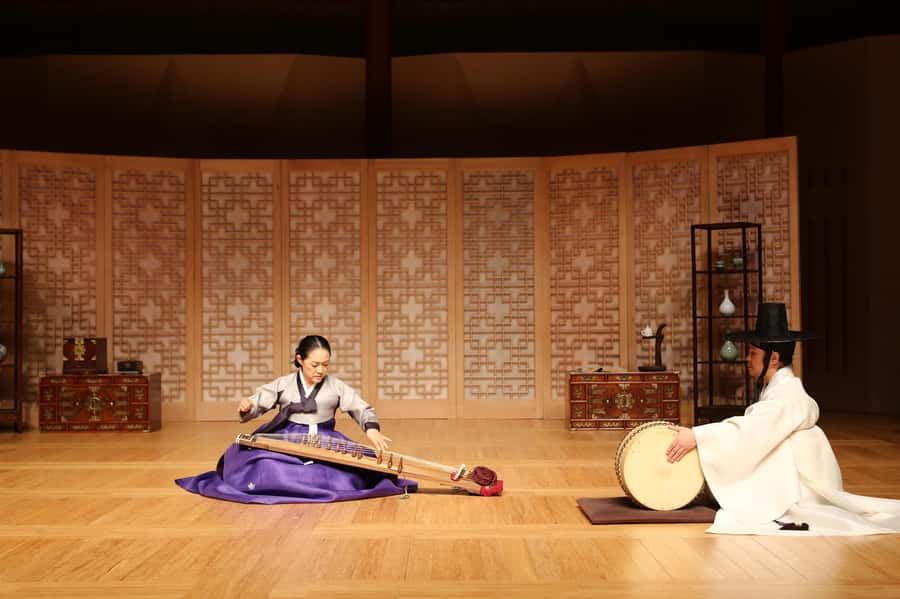
- Hear the gayageum up close: The concert may include the soft plucking of this traditional Korean string instrument alongside larger ensemble pieces.
- Small groups help: With no more than 10 participants, you can ask questions and keep the presentation personal.
- English guidance is included: The guide explains the instruments and the story of Korean traditional music in English.
- Plan your own transportation: Travel to and from the museum is not part of the $49 price.
- Flexible booking: You can cancel up to 24 hours before the activity for a full refund and reserve now while paying later.
Why this Gugak experience is worth your time
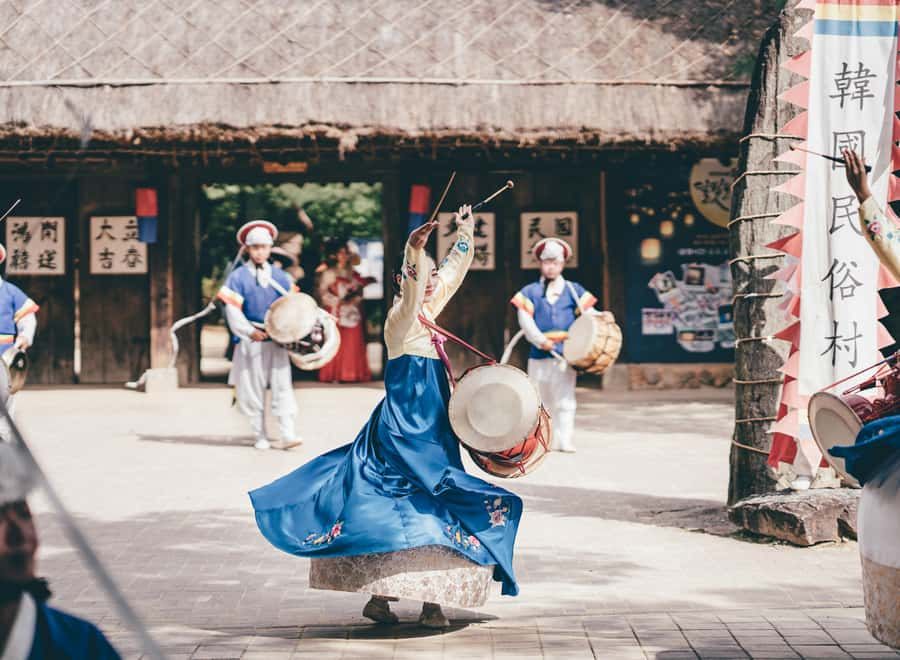
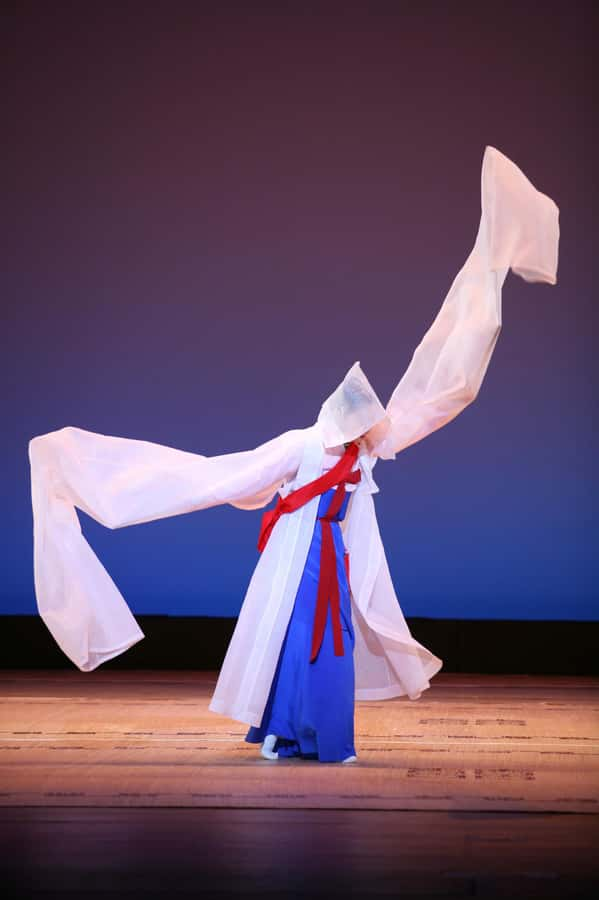
Gugak is more than background music for a cultural show. It carries ideas about ceremony, performance, rhythm, and the sounds that shaped Korean life over many generations. If you attend a concert without any context, you may admire the skill but miss why the instruments sound and look so different from those used in Western music.
This tour fixes that problem in a simple way. You begin with objects, explanations, and musical history at the Korean Traditional Music Museum. Then you move into a performance setting, where the instruments are no longer behind glass or part of a display. You hear them working together.
I like this order. It gives you a few handles to hold on to before the concert begins. When the gayageum is played, for example, you have already heard its name and learned that it is a central part of Korean music. That makes the sound easier to follow.
The experience is also compact. At 140 minutes, it fits neatly into a day that already includes sightseeing in Seoul or Gyeonggi Province. You do not need to commit an entire afternoon or evening to a large cultural program. The short format is useful if you want a first taste of Gugak rather than a specialist course.
More Traditional Music and Dance Shows around the world:
- Budapest Danube Cruise and Dinner Options, Live Music and Dance
★ 4.5 · 7,428 reviews - Budapest: Dinner Cruise with Live Music and Folk Dance Show
★ 4.4 · 2,090 reviews - Budapest: Hungarian Folk Dance & Concert with Dinner Option
★ 4.2 · 786 reviews
Starting at location 2364
The listed starting location is 2364, with detailed meeting information sent before the tour. Since transportation is not included, this is the practical point that deserves attention before you pay.
You should check the message from the operator carefully and allow time to reach the meeting place. The experience ends back at the meeting point, so you can plan your next stop from there. The supplied information does not specify a transfer service, pickup, or drop-off elsewhere.
For questions before the outing, WhatsApp contact is provided at 82-10-6263-5744. That is useful because the exact starting details and available times can vary. Check the selected date and time rather than assuming the activity runs at one fixed hour.
The Korean Traditional Music Museum in 40 minutes
The first formal stop is the Museum of Korean Traditional Music, where you spend about 40 minutes with the guide. This is not simply a quick walk through display cases. The goal is to give you a working introduction to Gugak, including its history and instruments.
The museum’s displays bring the story of Korean music into a physical setting. You can expect the guide to explain what different instruments are used for and how they fit into Korean musical traditions. The information provided does not list every gallery or exhibit, so you should think of this as a guided orientation rather than a full museum study visit.
Forty minutes is enough for a focused overview, but not enough to read every label at length. That is a small limitation for anyone who enjoys museums at a slow pace. The advantage is that the tour keeps moving and saves the most important listening time for the concert.
This is where the guide matters most. A good explanation can turn an unfamiliar collection of wooden bodies, strings, and percussion instruments into a group of distinct voices. Elisa has been praised for clear explanations and a kind manner, qualities that fit this first stop especially well.
You should feel free to ask questions during the museum visit. The group size is capped at 10, so the setting is better suited to conversation than a large coach tour. If you are shy about asking questions in a group, the small size also makes it easier to follow along without getting lost.
From museum displays to live sound
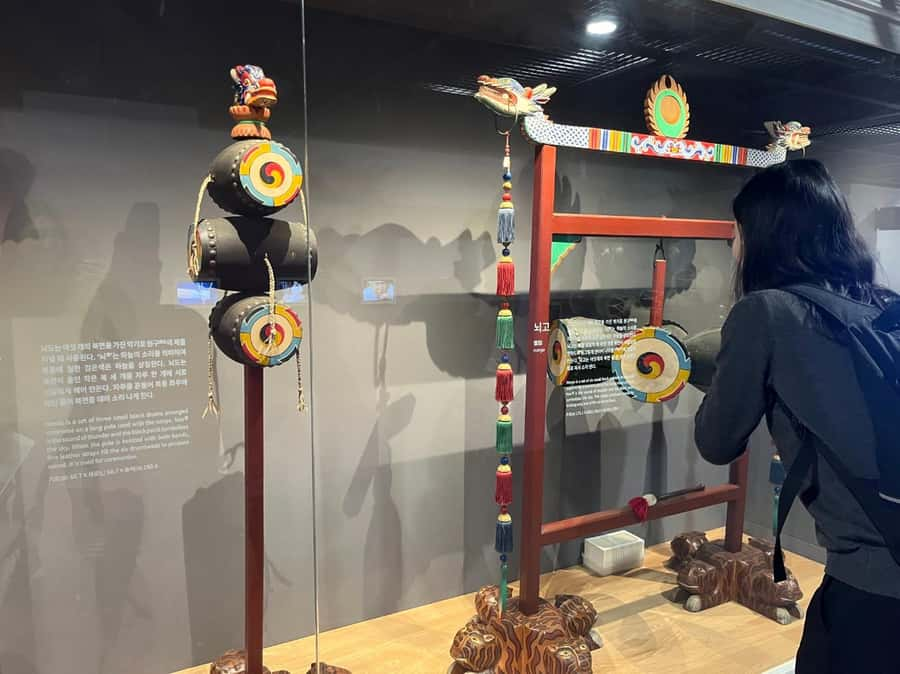
The strongest idea behind this outing is the move from museum objects to music in performance. A display can tell you what an instrument is, but a concert shows you what it can do.
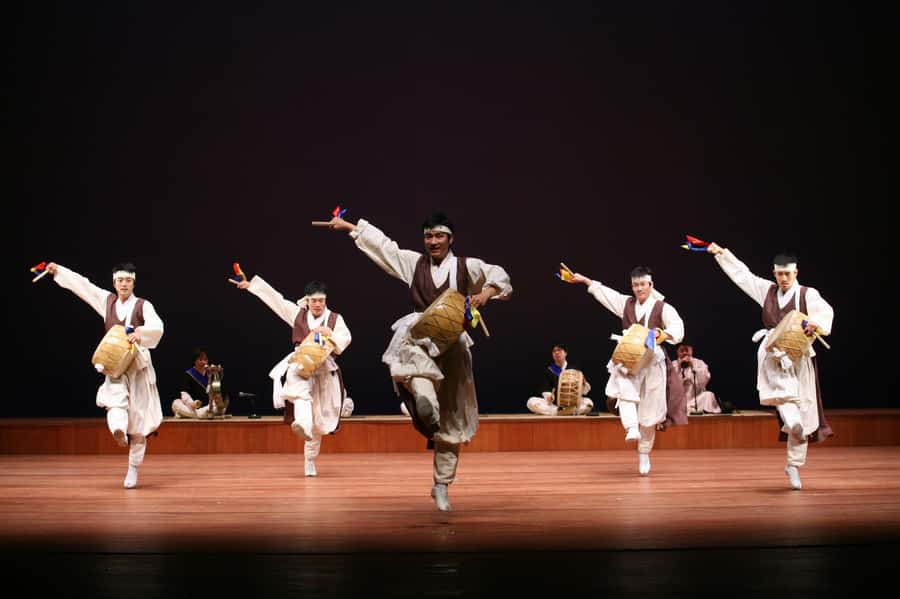
The contrast is particularly useful for first-time listeners. Gugak can include delicate sounds that need a quiet room, as well as more forceful ensemble passages. The supplied description specifically points to the soft plucking of the gayageum and dynamic group performances.
That range gives the concert shape. You may hear a single instrument’s tone, then experience several musicians combining their parts. The result is easier to appreciate after the museum visit because you have some sense of the instruments before they begin.
You should not expect a pop concert with constant spectacle. This is a traditional music performance, and its appeal lies in listening closely. If you enjoy unfamiliar music when it is introduced with context, this format is a strong match. If you need a fast, highly interactive show, the slower pace may require more patience.
More Museum Visits around the world:
- Venice: Vivaldi’s Four Seasons Concert & Music Museum Visit
★ 4.8 · 2,065 reviews - Vienna: Classical Concert at Mozarthaus with Museum Entry
★ 4.8 · 371 reviews - Chopin Piano Concert at Chopin Gallery with a Glass of Wine
★ 4.5 · 283 reviews - Venice: Vivaldi Baroque Concert Ticket and Free Music Museum
★ 4.8 · 103 reviews
An 80-minute concert at the National Gugak Center
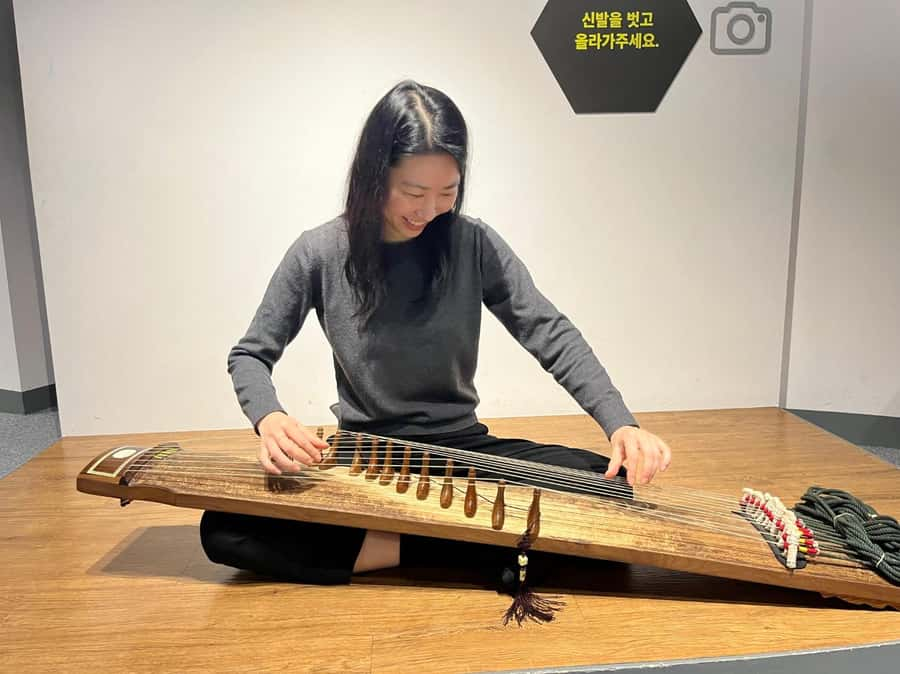
The concert takes place at the National Gugak Center’s Performance Rehearsal Hall and lasts about 80 minutes. That is a substantial performance, not a short demonstration added at the end of a museum tour.
The venue name also gives you a useful clue about the format. You are going to a dedicated music setting rather than watching a performance in a crowded restaurant or a general sightseeing venue. The supplied details do not promise a particular program, lineup, or set list, so the exact pieces may vary.
Expect the program to show different sides of Gugak. The gayageum can provide a gentle, precise sound, while ensemble pieces bring more movement and force. Seeing trained musicians perform helps you notice timing, coordination, and the distinct role of each instrument.
An 80-minute sitting may feel long if you have little interest in music. For many people, though, it is the part that makes the $49 worthwhile. You are not merely being told about Korean tradition. You are given time to hear it in full phrases and performances.
The experience provider does not list meals or drinks, so plan to eat before or after the activity. That is not a problem for most schedules, but it matters if you expect an all-inclusive cultural outing.
What the $49 price really covers
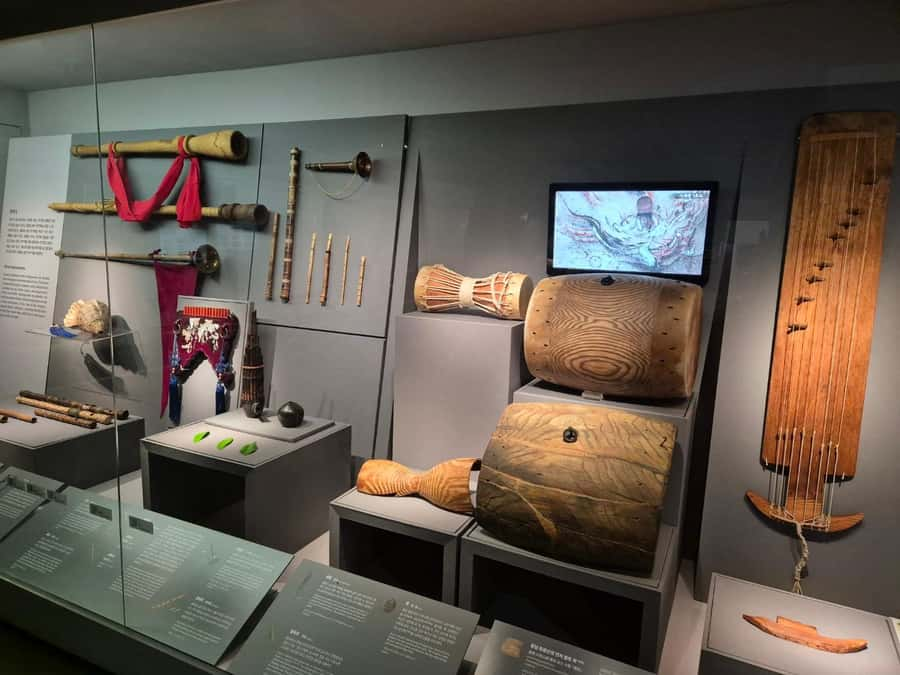
At $49 per person, the price includes the museum visit, the live Gugak concert, and the English-speaking guide. It does not include transportation, food, or drinks.
I see the value mainly in the combination. Buying a concert ticket alone might give you the performance, but not the background that helps you understand the instruments. Visiting the museum alone would give you information, but not the sound. This outing joins the two.
The small-group format adds practical value. A maximum of 10 participants is far more personal than a large group moving behind a flag. You can hear the guide more easily, ask questions, and stay connected to the explanations.
The price is less attractive if you already know Gugak well or only want a brief concert. You may prefer to arrange a performance independently if you have a specific musician or program in mind. This tour is aimed at newcomers who want the museum, context, and concert handled as one plan.
The reserve-now-and-pay-later option also helps if your schedule is still changing. You can hold a place without paying immediately. Free cancellation is available up to 24 hours before the activity for a full refund, which gives you a reasonable cushion.
The value of a small English-speaking group
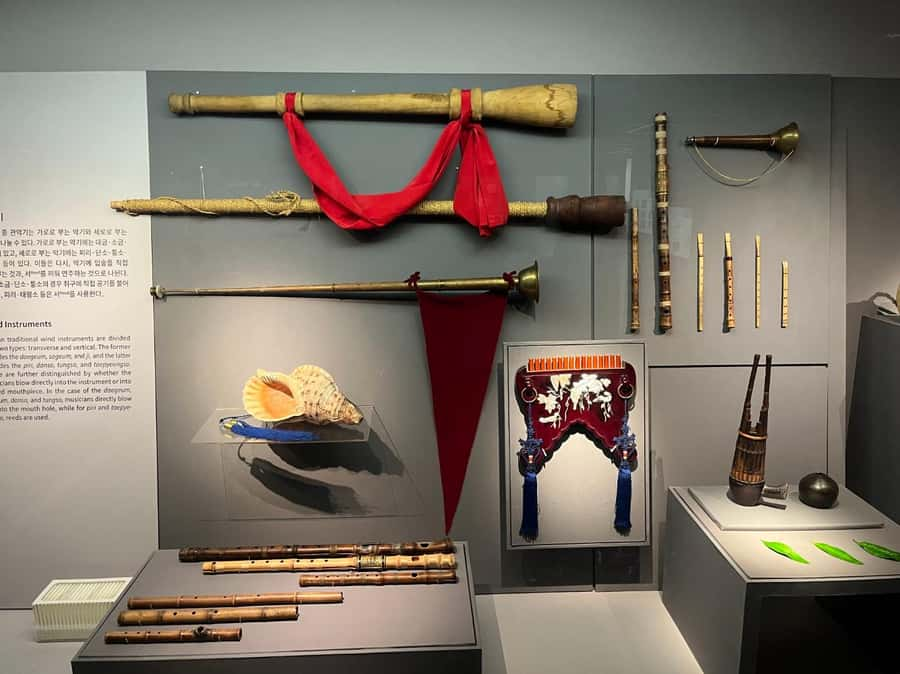
The guide is not just there to point out the next room. The tour depends on explanation, especially if you have never encountered Korean traditional instruments before.
A 10-person limit helps in several ways. You can hear the guide’s comments without the constant noise of a big group. The guide can respond to questions about the instruments and the music. You also spend less time waiting for people to catch up.
The English language option is important because the museum and concert may otherwise feel harder to interpret. You will not have to rely only on labels or guesswork. The experience is designed for English speakers, with a live guide throughout the tour.
Elisa receives particular praise for being sweet, clear, and helpful. If she leads your outing, you can expect a friendly style rather than a dry lecture. Guides can change, so I would treat her name as useful context, not a guarantee of who will be present on your date.
Who should book this experience
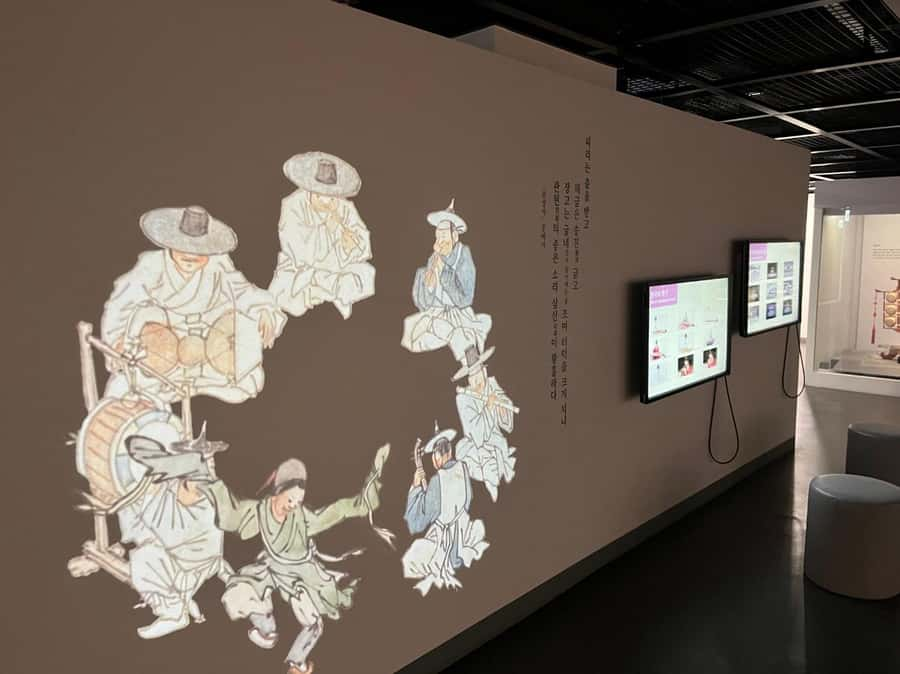
I would recommend this outing to you if you want a direct introduction to Korean culture that does not take all day. It suits first-time visitors who have heard of Gugak but do not know the instruments or the musical traditions behind it.
It is also a good choice for people who prefer learning by seeing and hearing. The museum gives you the visual background, while the concert turns that information into sound. Couples, solo visitors, and small groups of friends can all make good use of the format.
Families may also appreciate the manageable length, though the supplied information does not give a recommended minimum age or child policy. If you are booking with children, confirm that point before reserving.
I would hesitate only if transportation is difficult for your schedule, or if you want a performance with a guaranteed program. The concert details are not specified, so you should be comfortable with a general introduction rather than a named show.
Practical planning for the 140-minute visit
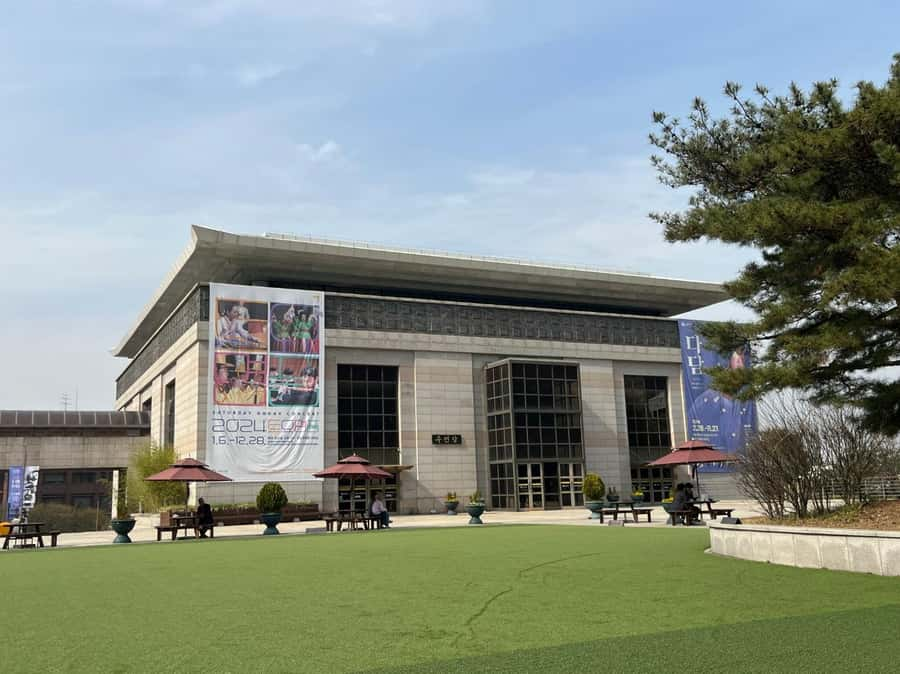
The full activity lasts 140 minutes, divided into roughly 40 minutes at the museum and 80 minutes at the concert. The remaining time is likely used for moving between the stops and organizing the group, though the exact timing is not provided.
Check availability for the actual starting times. Do not assume that every day offers the same schedule. You should also read the meeting instructions sent before the tour, since the starting location is listed as 2364 and transport is your responsibility.
Wear something comfortable for a museum visit and a seated performance. The information does not state a dress code or seating arrangement, so there is no need to plan formal clothing based on the details provided.
Bring your curiosity more than specialist knowledge. You do not need to know the names of Korean instruments in advance. The guide’s role is to introduce them and explain how they fit into Gugak.
If you want to make the most of the visit, listen for connections between the museum and the concert. Notice which instruments you recognize, how a solo sound differs from an ensemble, and how the mood changes across pieces. Those simple observations will make the performance more rewarding.
Should you book the Gugak Museum and Concert Tour?
Book it if you want an accessible, well-sized introduction to Korean traditional music. The 40-minute museum visit gives you context, the 80-minute concert gives you the real sound, and the English guide ties the two together. The strong overall rating of 4.7 from 17 ratings fits the experience’s main strengths: clear guidance, a pleasant personal manner, and an impressive concert.
At $49, it is good value for a first Gugak experience, provided you are happy to arrange your own transportation and meals. I would choose it over a concert alone if you want to understand what you are hearing.
Skip it if you need a fully transported package, a specific concert program, or a very short performance. Otherwise, this is a thoughtful way to spend 140 minutes with an important part of Korean culture, without turning your day into a long academic exercise.
FAQ
Where does the Gugak Museum and Concert Tour take place?
The experience takes place in Gyeonggi Province, South Korea. It includes the Korean Traditional Music Museum and the National Gugak Center’s Performance Rehearsal Hall.
How long does the experience last?
The total duration is 140 minutes. The museum visit lasts about 40 minutes, and the concert lasts about 80 minutes.
What is included in the price?
The $49 price includes entry to the Korean Traditional Music Museum, the live Gugak concert, and an English-speaking guide.
Is transportation included?
No. Transportation to and from the museum is not included. The activity ends back at the meeting point.
What language is the tour conducted in?
The live tour guide speaks English. English is the listed tour language.
How many people can join the group?
The group is limited to 10 participants, making it a small-group experience.
Where does the tour start?
The listed starting location is 2364. Detailed meeting information is sent before the tour.
Does the tour include food or drinks?
No. Meals and drinks are not included.
Can I cancel the booking?
Yes. You can cancel up to 24 hours in advance for a full refund.
Can I reserve now and pay later?
Yes. The experience offers reserve now and pay later, so you can hold a place without paying at the time of booking.
Just added around the world
- Warsaw: Guided Walking Tour with a Private Chopin Concert★ 5.0 · 13 reviews
- Wrocław: Chopin & Friends piano concerts★ 4.6 · 28 reviews
- Wine, Jazz and Magic: A Night at Malkhaz Jazz Club★ 5.0 · 2 reviews
- Warsaw: Candlelight Concert at Fryderyk Concert Hall★ 4.7 · 110 reviews
- Warsaw: Chopin Concert Ticket With Glass of Champagne★ 4.7 · 59 reviews
- Vienna: Romantic Classics Piano, Violin, and Cello Concert★ 4.7 · 60 reviews
- Vienna: Sunday Brunch Danube Cruise & Live Music★ 4.2 · 42 reviews
- Vienna: Concert by the Vienna Baroque Orchestra★ 4.6 · 56 reviews
Traditional Music and Dance Shows, compared.

Budapest Danube Cruise and Dinner Options, Live Music and Dance
Read our review →
Dinner Cruise with Live Music and Folk Dance Show
Read our review →
Hungarian Folk Dance & Concert with Dinner Option
Read our review →
Hungarian Folklore Dance Performance & Concert Ticket
Read our review →

Afro Puerto Rican Folklore Bomba Class and Live Music
Read our review →
Traditional Balkan Night with Live Music and Dance Skopje
Read our review →
Cretan Folklore Night with Live Music, Dance, and Greek Dinner
Read our review →Browse the lists this tour appears in