
REVIEW · ITALY
Rome: St. Paul’s Within the Walls New Year’s Concert Ticket
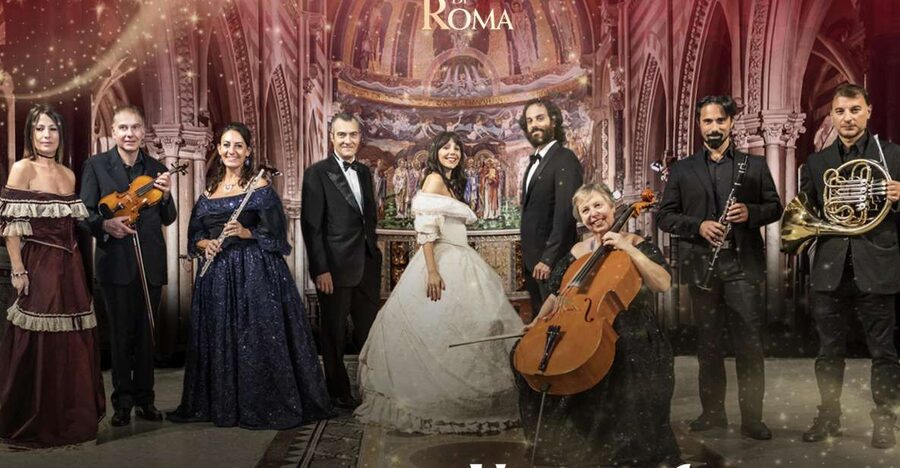
Start the year with voices under painted stone. Rome’s New Year’s Concert at St. Paul’s Within the Walls pairs opera favorites with the church’s striking interior, creating a festive evening that feels more special than a standard concert hall performance. I like the setting and the generous program, which includes Verdi, Puccini, Mozart, Rossini, and Strauss.
I also like the choice of New Year’s Eve or January 1, along with several seating categories for different budgets. The main drawback is sightlines: some seats may not give you a clear view of the performers, and the baritone’s voice may occasionally need more help from the acoustics or a microphone.
Key points to know before booking
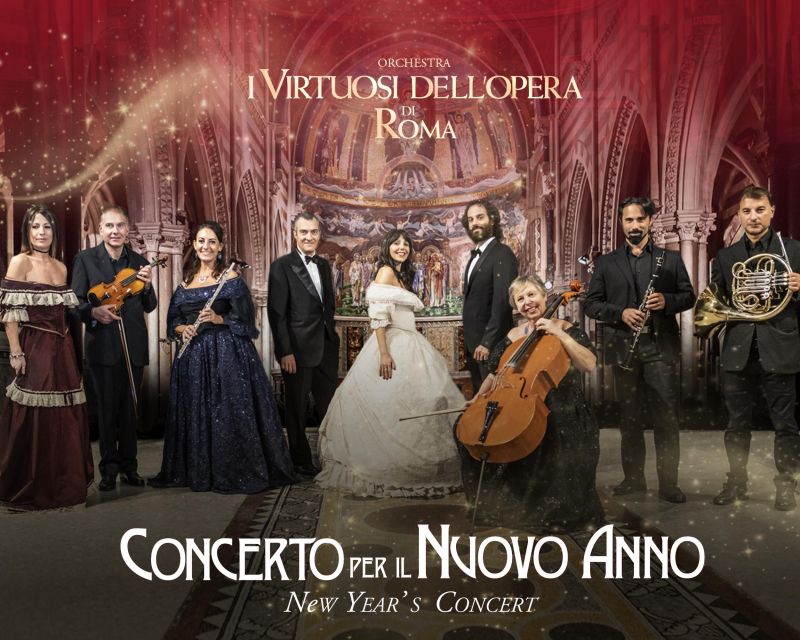
- A three-act opera program: Hear arias, ensembles, choruses, intermezzos, and waltzes during a roughly two-hour performance.
- A memorable church setting: The concert takes place inside St. Paul’s Within the Walls, an iconic Roman church with attractive acoustics and architecture.
- Two date choices: You can attend the New Year’s Eve concert or the January 1 performance celebrating the new year.
- Familiar music: The program includes Va, pensiero, La donna è mobile, Libiamo nei lieti calici, Vissi d’arte, and other well-known pieces.
- Seating affects the view: Different categories help control the price, but some positions may offer a limited look at the singers and orchestra.
- Simple ticket arrangement: You exchange your voucher at the church ticket counter before the concert. Food and drinks are not included.
Why this Roman concert works for New Year’s
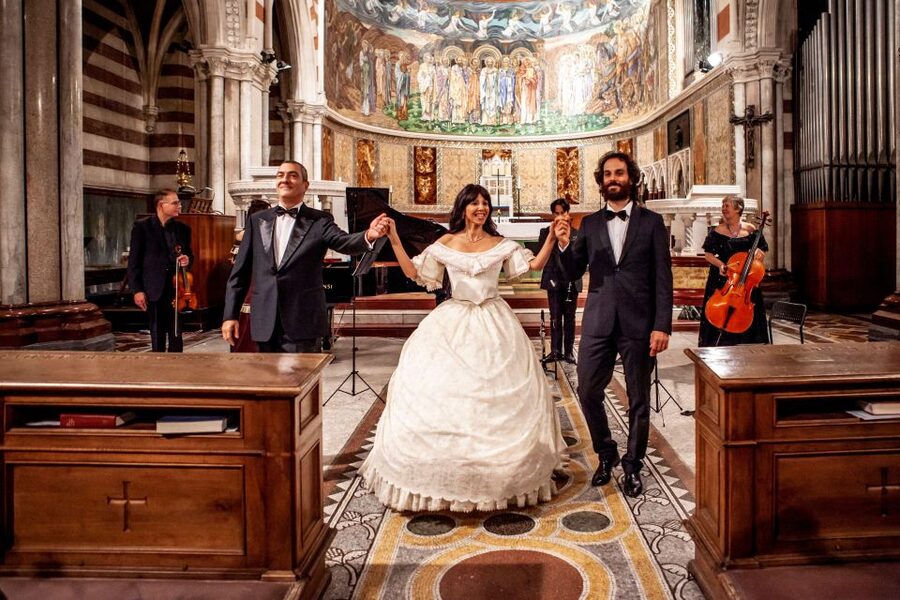
Rome has no shortage of grand churches, opera houses, and evening performances. This concert brings several of those pleasures together in a compact package. You get a formal night out, familiar music, and a historic religious setting without committing to a full opera that may last three hours or more.
The concert lasts about two hours. That is long enough to feel substantial, yet short enough to fit around dinner or other New Year’s plans. The program is divided into three acts, so you hear a steady mix of vocal and orchestral pieces instead of one long run of similar arias.
The mood should suit you if you enjoy classic melodies more than experimental performance. The selections are designed to be welcoming. Even if you do not know every opera, you will likely recognize several tunes from films, advertisements, concerts, or other popular settings.
This is also a good choice for a first taste of opera. You hear soprano, tenor, and baritone voices, along with an orchestra, choruses, ensembles, and instrumental intermezzos. You do not need a detailed knowledge of the plots to enjoy the evening.
More Christmas and New Year Concerts around Rome:
- Capuchins Crypt: Christmas Baroque Concert
★ 4.8 · 15 reviews - Capuchin Crypt Christmas Baroque Concert in Rome
★ 4.0 · 7 reviews - Rome: New Year’s Concert at Palazzo Doria Pamphilj with Tour
★ 4.0 · 3 reviews
Entering St. Paul’s Within the Walls
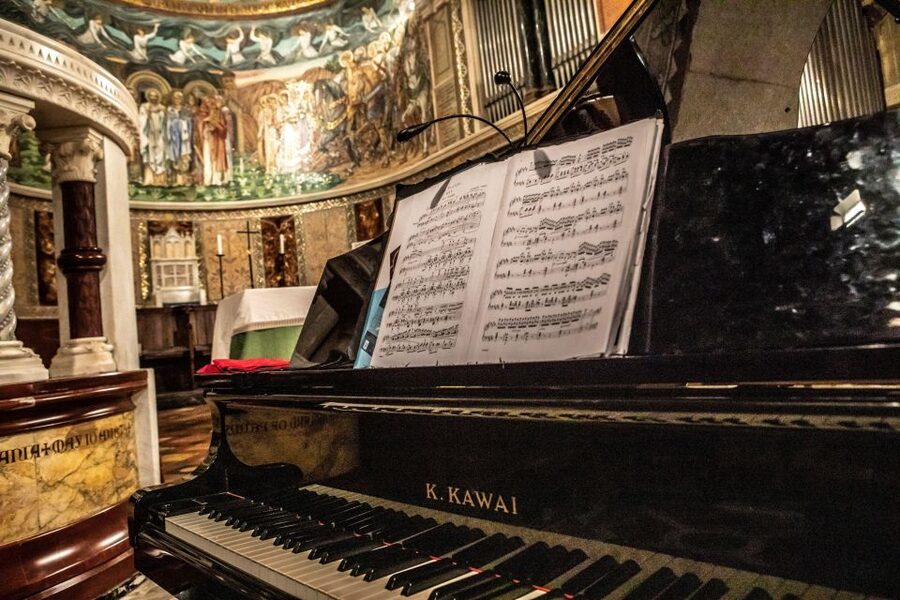
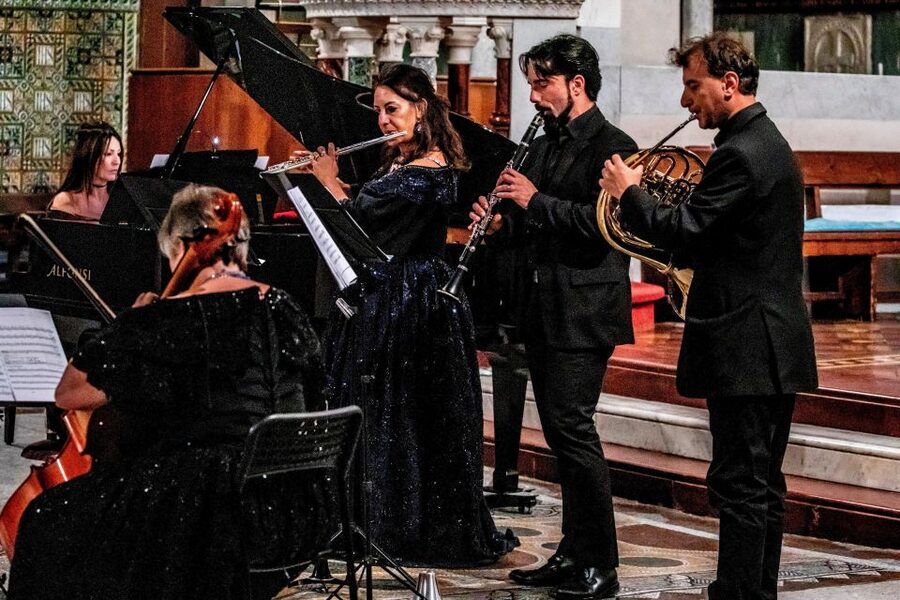
The church itself is part of the appeal. St. Paul’s Within the Walls provides a far more distinctive backdrop than a plain auditorium. During a concert, the setting can make familiar music feel ceremonial, especially on December 31 as the old year ends.
The church is also practical for this kind of program. Its acoustics are described as good, but the building’s size and layout mean sound and sight are not identical from every seat. You may hear the performance clearly while still having a partial view of the performers.
That point matters when you choose a seating category. A more expensive ticket may not simply mean a softer chair. It may also place you in a better position to see the singers and orchestra. If watching the performers is important to you, pay close attention to the available seating options rather than choosing only by price.
The church is wheelchair accessible, which makes this concert possible for a wider range of visitors. Pets are not allowed.
The orchestra and vocal lineup
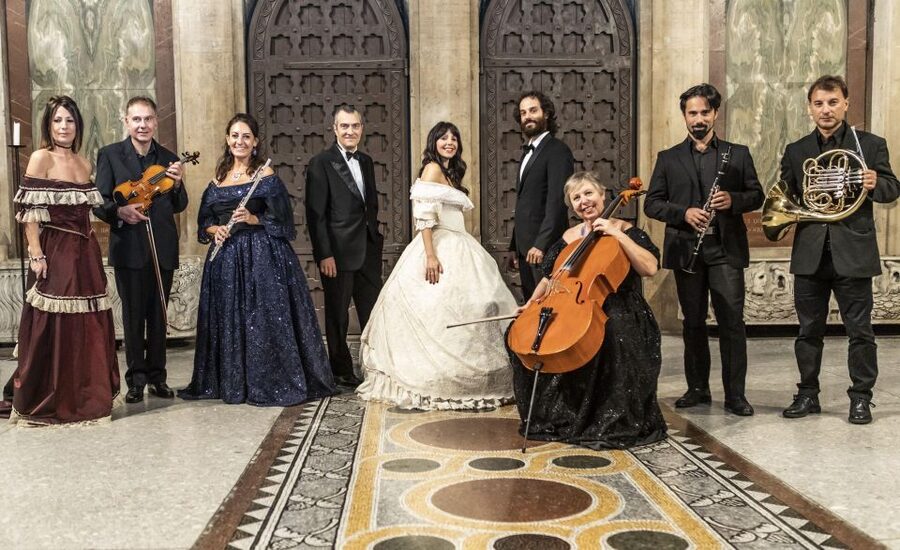
The music is performed by the Orchestra of I Virtuosi dell’opera di Roma. The featured singers are soprano Ms. Testa, tenor Mr. Gentili, and baritone Mr. Utzeri. Together, they cover a useful range of opera styles, from Mozart’s elegant phrasing to Puccini’s emotional intensity and Rossini’s comic speed.
I like that the program does not rely only on solo arias. Opera is at its best when voices interact, and the evening includes choruses and ensembles as well as individual numbers. You get the contrast between a single singer carrying a tender aria and several voices sharing a more theatrical scene.
The orchestra also has room to shine. Intermezzos and waltzes give you a break from the vocal pieces and let the instrumentalists carry the mood. The sound is likely to feel festive rather than solemn, which suits a New Year celebration.
One practical note is worth keeping in mind. A comment about the performance pointed to the baritone being difficult to hear at times, with a microphone possibly helping. This may depend on the seat and the acoustics, but it is a fair reminder that live opera in a church is not the same as amplified theatre.
Act One: Verdi, Rossini, and a celebratory toast
The first act opens with Offenbach’s Barcarola from The Tales of Hoffmann. It is a graceful, recognizable melody that eases you into the evening without demanding too much attention at once.
Verdi follows with Va, pensiero from Nabucco. This is one of the most famous choruses in the Italian opera repertory, and it brings a larger, more communal sound to the program. If you know only a handful of opera melodies, this may be one of them.
Rossini’s Largo al factotum della città from The Barber of Seville changes the pace. The piece is comic, quick, and built around the swaggering character of Figaro. It gives the baritone a chance to show personality and verbal energy, rather than simply singing a slow romantic aria.
Donizetti’s Una furtiva lagrima from The Elixir of Love provides a gentler contrast. The tenor takes the spotlight in one of opera’s best-known expressions of longing. It is short, direct, and emotionally easy to follow even if you have never seen the complete opera.
Rossini returns with Una voce poco fa, also from The Barber of Seville. This gives the soprano a lively showcase, with graceful lines and a touch of theatrical mischief.
The act continues with the orchestral Entr’acte III from Bizet’s Carmen. The piece acts as a reset before the final number, Verdi’s Libiamo nei lieti calici from La Traviata. That famous drinking song is an ideal close to the opening act, with a celebratory spirit that fits the occasion.
More Tickets around Rome:
- Rome: The Three Tenors at St. Paul’s Church Concert Ticket
★ 4.7 · 699 reviews - Concert Ticket – The Most Beautiful Opera Arias by Opera da Camera di Roma
★ 4.5 · 322 reviews - Rome: St. Paul’s Within the Walls Church Opera Arias Ticket
★ 4.6 · 312 reviews - Opera Concert Ticket in Rome with Dinner
★ 4.0 · 52 reviews
Act Two: famous arias and graceful movement
The second act begins with Mascagni’s Intermezzo from Cavalleria Rusticana. This is one of the program’s quieter, more reflective instrumental moments. It lets the orchestra establish atmosphere before the singers return.
Rossini’s La calunnia from The Barber of Seville brings back comic drama, this time through the famous bass or baritone aria about rumor and slander. It is a character piece, not just a display of vocal power, and its repeated build gives the number a satisfying shape.
Puccini’s Vissi d’arte from Tosca shifts the emotional temperature. The aria is intimate and serious, giving the soprano a chance to show sustained feeling rather than speed or comic timing.
Then comes Verdi’s La donna è mobile from Rigoletto. The tenor gets one of the most instantly recognizable melodies in opera. It is catchy, compact, and likely to be one of the pieces you remember after leaving.
Mozart’s Là ci darem la mano from Don Giovanni adds a duet. The charm here comes from the exchange between voices, which is a welcome change after several solo pieces.
Rossini’s Se il mio nome from The Barber of Seville keeps the tone light. The act ends with Waldteufel’s Waltz of the Skaters, an orchestral number that brings a bright, graceful finish.
The second act is especially useful if you want variety. You move from a sacred-sounding intermezzo to comic opera, serious drama, famous tenor melodies, Mozartian elegance, and a polished waltz. The only possible limitation is that the program favors well-known excerpts over complete scenes, so you will get highlights rather than full dramatic development.
Act Three: Puccini, Mozart, and a final burst of Rossini
The final act opens with Johann Strauss’s Donne, vino e canti waltzes. The title points directly toward the evening’s celebratory theme: women, wine, and song. Expect a buoyant orchestral mood as the concert moves toward its finish.
Puccini’s Quando men vò from La Bohème gives the soprano another chance to command the room. It is a stylish, theatrical number, full of character and social sparkle.
Mozart’s Deh vieni alla finestra from Don Giovanni follows with a more intimate serenade. The change in scale is useful. After the fullness of the waltz, a quieter solo can make the church feel still and close.
Puccini returns with E lucevan le stelle from Tosca. This is one of the evening’s most emotionally direct tenor arias. It is powerful without needing a complicated explanation, and it gives the tenor a major late-program moment.
The unusual Che penna infame from La Bohème adds another Puccini selection before Mozart’s Non più andrai, farfallone amoroso from The Marriage of Figaro. The Mozart number has a playful, marching quality and works well as a lighter counterpoint to the intense Puccini aria.
Rossini closes the listed program with Zitti, zitti, piano, piano from The Barber of Seville. It is a brisk ensemble finale, well suited to sending you back into Rome in a cheerful mood.
Because the program includes so many excerpts, I would think of this as a greatest-hits concert rather than a complete opera production. That is a strength if you want recognizable music in a manageable format. It is less suitable if you want costumes, sets, full plots, and extended dramatic scenes.
Choosing December 31 or January 1
The New Year’s Eve performance offers the stronger sense of occasion. You are not simply attending an opera concert. You are marking the end of one year inside a Roman church, with music built around celebration and ceremony.
The January 1 concert may be better if you want a calmer schedule. New Year’s Eve in Rome can involve late dinners, crowded streets, and changing plans. A January 1 performance lets you enjoy the same general musical program without making it the centerpiece of the midnight countdown.
The supplied details do not state that the concert itself includes a midnight celebration, food, drinks, or a toast. Do not assume those extras are part of the ticket. The ticket covers the concert only, and refreshments are not included.
Check the available starting time carefully. The exact time can vary, and the two-hour duration is important when you are planning dinner, transport, or another evening activity.
Is $39.86 a fair price?
At $39.86 per person, the ticket is reasonably priced for a two-hour concert in a notable Roman church. You are paying for live orchestral music, three professional vocalists, and a long list of recognizable works, not just a short recital.
The value improves if you already plan to be in central Rome over the holiday period and want a special evening without the price or time commitment of a full opera production. It also works well for couples, families with older children, and anyone who wants a polished cultural event that does not require expert opera knowledge.
The seating categories make the price easier to manage. A lower-priced section may be perfectly acceptable if you mainly want to listen. If the singers’ facial expressions and stage movement matter to you, a better category may be worth the extra cost.
Food and drinks are not included, so budget separately for dinner or a New Year’s meal. The concert is an event, not a complete night-out package.
Practical details at the church
You must exchange your voucher at the St. Paul’s Within the Walls ticket counter before the concert begins. Do not treat the digital voucher as the final entry ticket. Allow enough time to find the counter and complete the exchange before the performance starts.
The activity begins and ends at the church. No transport is included, and no separate sightseeing portion is attached to the concert. That simplicity is useful: you can plan the rest of your evening independently.
The host or greeter language is Italian. The music itself crosses language barriers, but you should not expect an English-language introduction or guiding service based on the stated arrangements.
You can cancel up to 24 hours before the start for a full refund. The reserve-now-and-pay-later option also lets you hold a place without paying immediately, which is helpful when holiday plans are still shifting.
Who should book this concert?
I would recommend it to you if you want recognizable opera music, a memorable church setting, and a festive two-hour event. It is particularly well suited to first-time opera listeners, couples seeking a special New Year’s activity, and music lovers who prefer highlights over a complete staged production.
You may want to skip it if you need a guaranteed front-facing view, dislike church acoustics, or expect a full opera with costumes and scenery. The program is a concert of excerpts, not a complete theatrical opera.
For the best choice, decide what matters most. Pick the New Year’s Eve date for atmosphere, January 1 for easier scheduling, and a higher seating category if seeing the performers is important. At this price, the music and setting offer good value, as long as you understand that the church layout may limit your view from some seats.
FAQ
How long does the concert last?
The concert lasts approximately two hours.
What music is performed?
The program includes opera and operetta selections, famous arias, choruses, ensembles, orchestral intermezzos, and waltzes. Works by Verdi, Rossini, Puccini, Mozart, Donizetti, Bizet, Mascagni, Offenbach, Waldteufel, and Johann Strauss are included.
Can I attend on New Year’s Eve or January 1?
Yes. You can choose the New Year’s Eve concert welcoming 2026 or the January 1 concert celebrating the new year, subject to availability.
Where does the concert take place?
It takes place at St. Paul’s Within the Walls in Rome, in the Lazio region of Italy.
What does the ticket include?
The ticket includes admission to the concert. Food and drinks are not included.
How do I enter the concert?
You must exchange your voucher at the St. Paul’s Within the Walls ticket counter before the concert begins.
Is the concert wheelchair accessible?
Yes, the activity is wheelchair accessible. Pets are not allowed.
Just added around Rome
- Rome: OPERA’S GREATEST HITS (Concert + Aperitif)★ 5.0 · 28 reviews
- The Three Tenors Concert in St. Paul’s Within the Walls★ 4.5 · 49 reviews
- Opera Serenades in Palazzo Doria Pamphilj, Rome★ 5.0 · 27 reviews
- Rome: Rooftop Gourmet Dinner & Opera Performance★ 5.0 · 4 reviews
- Rooftop Bar Opera Show: The Great Beauty of Rome★ 5.0 · 92 reviews
- New Year’s Baroque Concert at Doria Pamphilj Palace★ 5.0 · 2 reviews
- Opera Concert Ticket in Rome with Dinner★ 4.0 · 52 reviews
- Freddie Mercury Opera Show in Rome★ 4.0 · 37 reviews
Christmas and New Year Concerts, compared.
Christmas & New Year’s Concert in St. Peter’s Church
Read our review →
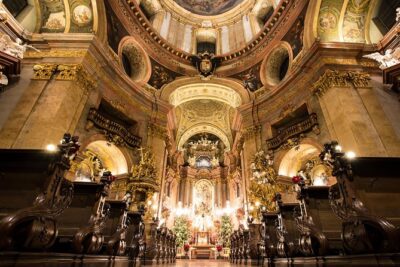
Christmas and New Year Concert at St. Peter’s Church in Vienna
Read our review →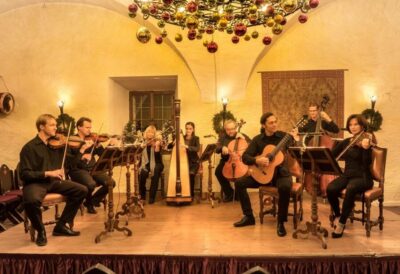
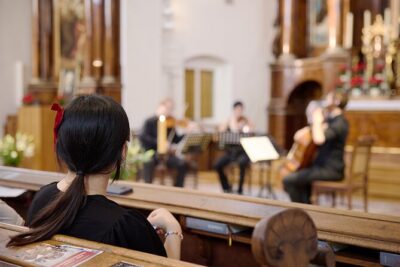
Christmas/Advent Concert at Fortress Hohensalzburg
Read our review →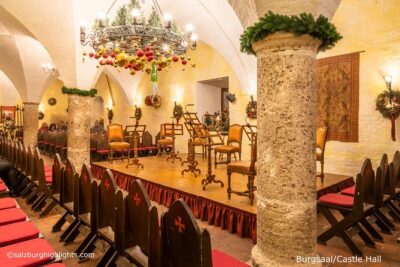
Mozart and Advent/Christmas Concert with Dinner at Fortress Hohensalzburg
Read our review →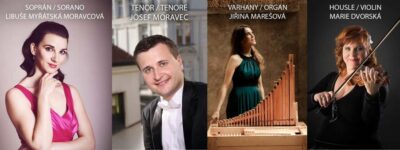
Browse the lists this tour appears in