
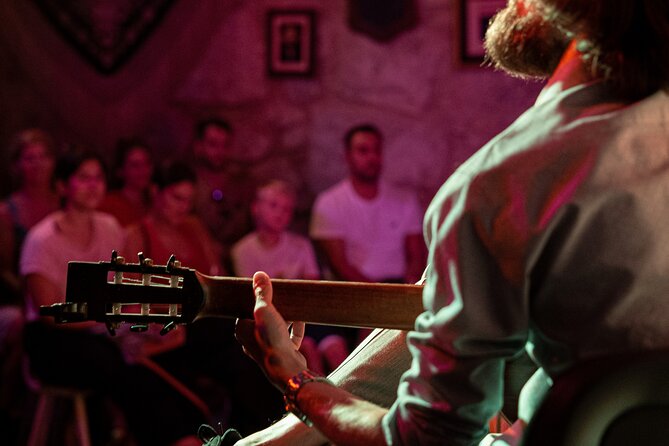
REVIEW · PORTUGAL
Porto: Live Portuguese Fado Experience with Port Wine
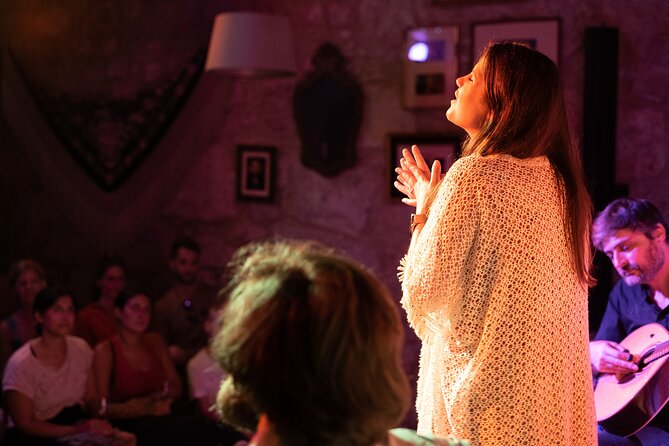
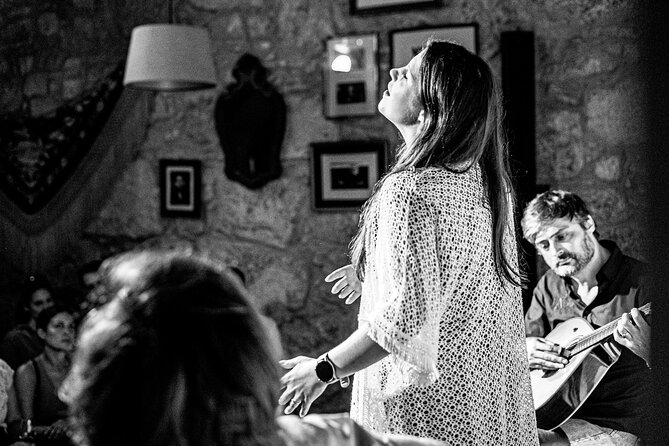
Fado gets personal fast. This one-hour show at Fado na Baixa offers a clear, affordable introduction to Portugal’s famous song tradition, with male and female singers, skilled musicians, short videos, and a glass of Tawny Port. I especially like the small auditorium setting and the way the program explains Fado instead of simply presenting a string of songs without context.
I also like the range of music. You hear traditional Lisbon Fado, the very different Coimbra style, and music linked to Amália Rodrigues, one of Portugal’s most important Fado singers. The main drawback is that the show includes audience participation and prerecorded video, which may disappoint you if you want an uninterrupted concert of serious Fado.
Key points at a glance
- One hour, carefully paced: A short format that fits easily into a busy Porto evening.
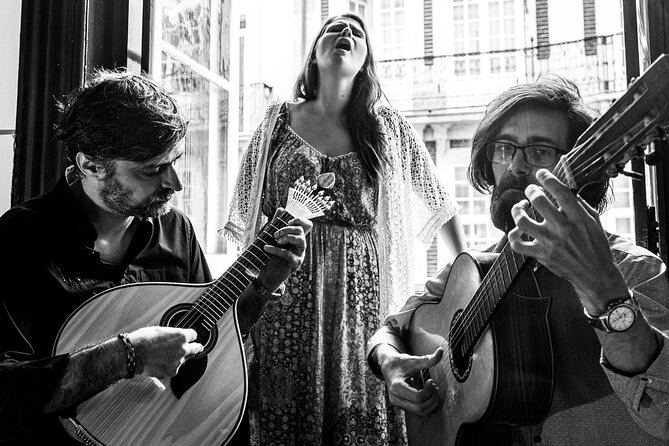
- Four performers: Male and female singers perform with top musicians in an intimate auditorium.
- Lisbon and Coimbra styles: You hear two distinct Fado traditions, including Coimbra Fado sung by a male vocalist.
- Portuguese guitar in focus: The show demonstrates the instrument and explains Lisbon and Coimbra playing techniques.
- Port included: Your booking includes a glass of Tawny Port during the performance.
- Accessible and practical: The venue is wheelchair and stroller accessible, service animals are allowed, and it is near public transportation.
What Fado na Baixa actually offers
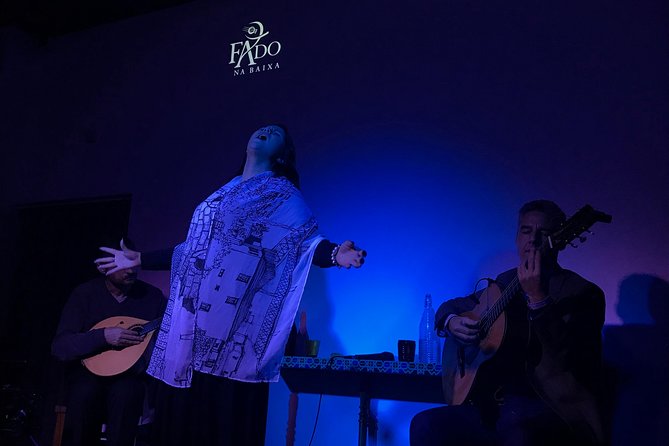
Fado is not simply background music for dinner. It is a vocal tradition built around emotion, longing, memory, and dramatic storytelling. The songs can feel melancholy, but the performance style is often proud and direct. If you know little about Portuguese music, it helps to have a guide through what you are hearing.
That is the purpose of this production. Rather than presenting only a concert, it combines live singing with short video sections and personal testimonials in several languages. The format gives you the basic story of Fado, introduces its instruments, and shows how the tradition changed over time.
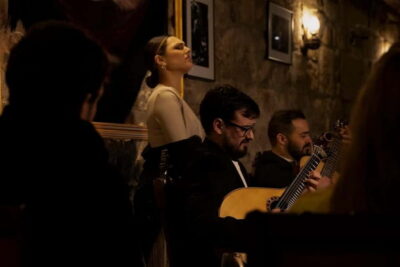
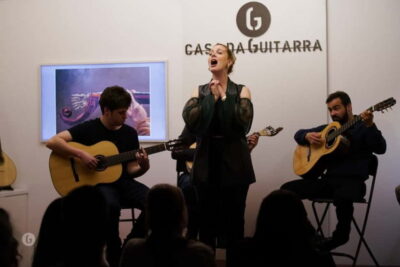
You can expect four artists, including male and female singers and accomplished musicians. The setting is a small, licensed auditorium designed specifically for live Fado music. That matters because the music depends on the voice and the strings. In a huge hall, much of the intimacy would be lost.
The booking is offered in English. Personal testimonials are presented in various languages, and the experience information also notes that the show is offered in four languages. If language access matters to you, check the exact session details when booking.
More Fado Shows around Porto:
- Porto: Live Fado Show with Glass of Port Wine
★ 4.8 · 6,498 reviews - Porto: Cálem Cellar Tour, Fado Show & Wine Tasting
★ 4.4 · 3,530 reviews - Porto: Fado & Port Wine in Traditional Portuguese Music Shop
★ 4.8 · 2,906 reviews
The opening: a quick way into Portuguese culture
The program begins by placing Fado in its cultural setting. You are introduced to the tradition through spoken explanation, video, and live performance. This opening is useful because Fado can seem mysterious when you hear it without any background.
The show first presents traditional Lisbon Fado, the form most people associate with the music. Lisbon is where Fado began, and this style tends to feel intense and emotionally exposed. The singers do not need elaborate staging. The voice, the words, and the musicians carry the weight.
I like this opening choice because it gives you a reference point for the rest of the hour. You hear the classic form first, then can notice how the later examples differ. The format also helps if you do not understand Portuguese. You may not catch every lyric, but the explanations and the singers’ expressions give you a way to follow the mood.
One practical warning: the show is educational as well as musical. If you want sixty minutes of uninterrupted live singing, this may feel too structured. If you want an introduction that explains what makes Fado different from ordinary popular song, the structure works well.
Portuguese guitar and the Tawny Port tasting
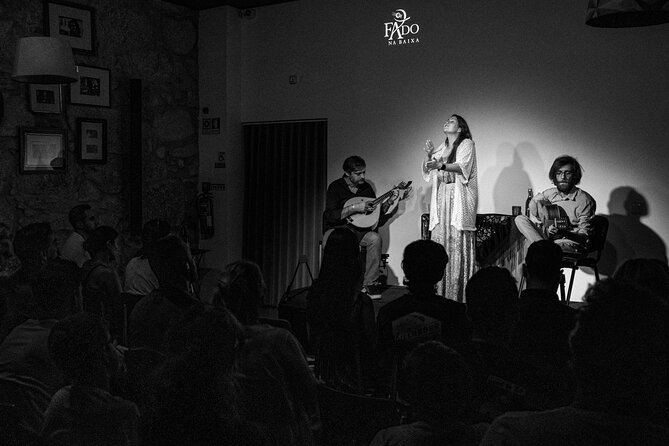
One of the strongest sections focuses on the Portuguese guitar. This is not simply a quick mention of an instrument in the background. The program gives the guitar its own moment, explaining how its sound fits into Fado and showing differences in Lisbon and Coimbra playing techniques.
The Portuguese guitar has a bright, ringing sound that can seem almost conversational beside the singer. The musicians provide more than accompaniment. Their playing sets the pace, answers the voice, and creates much of the atmosphere. Several people particularly praised the guitar work, and one singled out both the mandolin and guitar player.
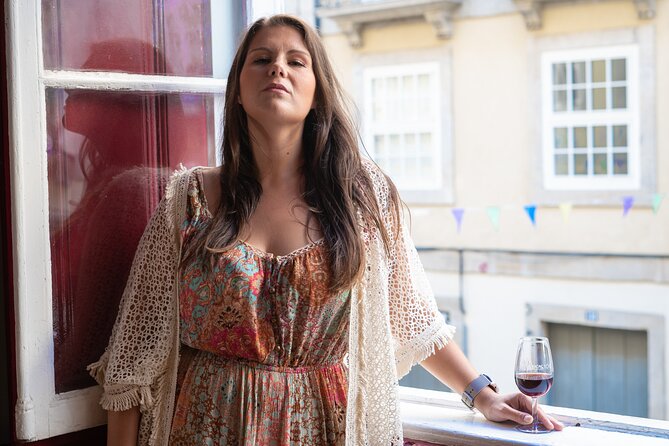
During this part of the show, you taste a glass of Tawny Port. It is a modest inclusion, but a useful one. Port is closely linked with Porto, so the tasting connects the music to the city rather than feeling like a random free drink. The glass also gives the event a relaxed social touch.
Do not treat this as a full wine tasting. The experience includes a glass of Port, not a detailed lesson in Port production or several samples. Still, at a price of $19.35 per person, the drink adds value and makes the hour feel more like a complete cultural outing.
Coimbra Fado and why the change matters
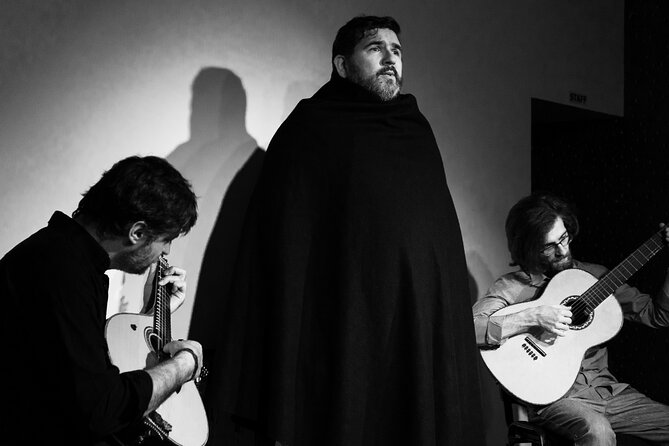
The program then turns to Coimbra Fado. This is not simply Lisbon Fado performed in another city. Coimbra Fado has its own style and traditions, and the show presents it through a male singer who is a former student at Coimbra University, as tradition requires.
That detail gives this section special meaning. Coimbra Fado is closely associated with university culture, and the male vocal tradition is part of its identity. Hearing it after the Lisbon material lets you compare the two forms instead of treating all Fado as one musical category.
For me, this is one of the most worthwhile parts of the program. A first-time listener may arrive thinking Fado means one familiar sound. By the end of the Coimbra section, you have heard a meaningful difference in performance tradition and musical character.
The show also explains the Coimbra guitar technique. You do not need musical training to appreciate the contrast. Just listen for changes in the playing and vocal style, then use the explanation to place those differences in context.
More Wine Tours around Porto:
- Porto: What is Fado? Commented Live Concert with Port Wine
★ 4.8 · 2,839 reviews - Porto: Intimate Fado Show & Port Wine in Trindade Noble Hall
★ 4.9 · 1,281 reviews - Porto: Cálem Cellar Tour, Live Fado Show and Wine Tasting
★ 4.0 · 295 reviews - Porto: Fado Live Music, Wine & Cultural Introduction
★ 4.9 · 150 reviews
Amália Rodrigues and the modern life of Fado
The program next introduces Amália Rodrigues, often called the queen of Portuguese Fado. Her importance comes from the way she reshaped traditional Fado and helped bring it broad recognition.
This section gives the hour a useful timeline. You first hear the older Lisbon tradition, then Coimbra Fado, and then learn how a major singer carried Fado into a wider public. The point is not only to celebrate one performer. It shows that Fado is not frozen in the past.
The show ends by considering how Fado continues and how the tradition is preserved. That ending is important. A program about traditional music can easily become a museum piece, but this one tries to show Fado as a living form that changes while keeping its central character.
The videos support this historical explanation. They are short enough to keep the program moving, and they provide images and commentary between live numbers. I find that useful for a first visit to Portugal, though you should know that the screen occupies a noticeable part of the hour.
The musicians, singers, and intimate setting

The strongest feature here is the live performance. The singers receive praise for both their voices and their emotional delivery, while the musicians provide the foundation that makes the songs work.
Having both male and female singers is another advantage. Their voices offer contrast, and the range of performers makes the program feel more complete than a single-singer set. If you are choosing among introductory Fado shows, this mix is a sensible reason to consider this one.
The room itself is small and intimate. That setting suits Fado better than a large theater would. You are close enough to feel that the performance is being offered directly to the room, not sent across a wide stage to a distant audience.
The venue is also air-conditioned, which can make a difference during a warm Porto evening. It is licensed for live music and carries the Portuguese Clean and Safe designation for performance venues. That designation confirms the venue’s ability to follow the applicable health requirements and recommendations.
One small point is worth noting. The atmosphere is friendly, and the audience may be invited to sing along during several songs. Some people enjoy that shared moment. Others come specifically to hear traditional Fado performed without interruption and may find the participation awkward. You should decide which kind of evening you want before booking.
What the hour feels like from start to finish
The experience is short, but it is not rushed. The format moves between explanation, video, live singing, instrumental demonstration, and the Port tasting.
A typical progression is:
- An introduction to Fado and its place in Portuguese culture
- Traditional Lisbon Fado
- Portuguese guitar playing and a Tawny Port
- Coimbra Fado with a male singer
- Amália Rodrigues and the expansion of Fado
- A final look at how Fado continues today
This sequence gives the performance a clear beginning, middle, and end. You are not left to guess why one song follows another.
The one-hour length is a real advantage for your Porto schedule. You can fit it between sightseeing, dinner, or an evening walk without giving up an entire night. It also suits children and adults who may not yet know if they enjoy Fado.
At the same time, one hour limits the depth of the concert. You will receive an introduction, not a full evening of traditional repertoire. If you already know Fado well or want a serious concert, you may prefer a longer performance with less explanation.
Price and overall value at $19.35
At $19.35 per person, this is priced as an accessible cultural activity rather than a luxury night out. The value comes from the combination of live music, historical explanation, different Fado traditions, a Portuguese guitar demonstration, and a glass of Port.
I think the price is strongest for first-time visitors. You get enough context to understand what you are hearing, and the one-hour format keeps the financial and time commitment low. The inclusion of both male and female vocalists also gives you a broader sample of the tradition.
The value is less clear if your main goal is a pure concert. Part of your ticket pays for the videos and explanations, and audience participation may take time that you would rather spend listening to the performers.
Group discounts are available, which can make this a practical choice for families or friends traveling together. The experience is booked an average of 17 days ahead, so it is sensible to reserve early if your Porto dates are fixed.
Who should book this Fado experience?
I would recommend it most strongly if you fit one of these descriptions:
- You are visiting Portugal for the first time and want a clear introduction to Fado.
- You want to hear both Lisbon and Coimbra traditions in one sitting.
- You prefer a small venue over a large concert hall.
- You want live music with historical context.
- You have only an hour available.
- You would enjoy pairing music with a glass of Port.
- You are traveling with someone who needs wheelchair or stroller access.
It is also a good choice if you are unsure about Fado. The short length and modest price let you try the music without committing to a long evening.
I would hesitate if you want a formal concert with no video, no explanation, and no audience participation. The prerecorded material is useful for many people, but it takes up part of the program. The sing-along sections have also divided opinion. The experience is designed as an introduction, not as a demanding recital.
Practical details before you go
Confirmation is provided at the time of booking, and you receive a mobile ticket. The venue is near public transportation, which makes it easier to reach without arranging a private transfer.
Fado na Baixa is wheelchair and stroller accessible, and service animals are allowed. Most people can participate, but you should still consider your own mobility needs and check any specific seating questions before arrival.
If you are delayed, contact the venue as soon as possible. One person arrived late after a taxi went the wrong way and was offered a place in the next performance. That was a kind response, but you should not rely on a late arrival being accommodated.
The cancellation policy is straightforward. You can receive a full refund if you cancel at least 24 hours before the start time. Changes or cancellations inside that window are not accepted for a refund. The local time at the venue controls the cutoff.
The experience requires a minimum number of participants. If the provider cancels because that number is not reached, you will be offered another date or experience, or a full refund.
Should you book Fado na Baixa?
Book it if you want an affordable, compact introduction to Portuguese music. The live singers and musicians are the heart of the evening, while the history, instrument demonstrations, Coimbra section, and Amália Rodrigues presentation give you a useful frame for listening.
The best reason to choose it is the balance. You hear more than one Fado tradition, see both male and female singers, taste Port, and finish in about an hour. Just remember that this is a guided cultural presentation with video and some audience participation, not a nonstop concert.
For a first Fado experience in Porto, I think the price and format make sense. If you already know exactly what you want from Fado, compare it with a longer, performance-only option. For everyone else, this is an easy way to begin listening with some understanding.
FAQ
How long does the Fado experience last?
The experience lasts approximately one hour.
What is included in the booking?
The booking includes admission to the live Fado performance and a glass of Tawny Port.
Which types of Fado are presented?
The program presents traditional Lisbon Fado and Coimbra Fado. It also explains the work and influence of Amália Rodrigues.
Is the experience offered in English?
The experience is offered in English. Personal testimonials are presented in various languages, and the experience information notes availability in four languages.
Is the venue wheelchair and stroller accessible?
Yes. The venue is wheelchair and stroller accessible. Service animals are also allowed.
What is the cancellation policy?
You can cancel at least 24 hours before the start time for a full refund. Cancellations or changes made less than 24 hours before the start time are not accepted for a refund.
Just added around Porto
- Porto: Authentic Fado Music by the River★ 5.0 · 88 reviews
- Porto Heritage Night Tour With Fado Show And Dinner Included★ 4.5 · 88 reviews
- Fado Concert with Welcome Drink★ 5.0 · 75 reviews
- Porto Moonlight Walk and Fado Dinner★ 5.0 · 2 reviews
- Fado Concert in one of Porto’s most beautiful houses!★ 5.0 · 40 reviews
- Fado Dinner Show and Night Lights Tour in Porto★ 4.5 · 25 reviews
- Fado Tour with Guide, Dinner & Live Show in Porto★ 4.5 · 19 reviews
- 1-hour Intimate Fado Concert in a Typical Venue★ 4.5 · 35 reviews
Fado Shows, compared.

Live Fado Show with Port Wine at Lisboa em Fado
Read our review →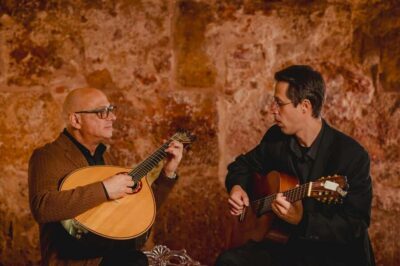

Fado & Port Wine in Traditional Portuguese Music Shop
Read our review →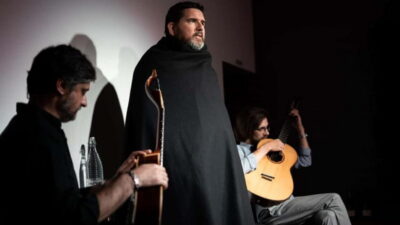
What is Fado? Commented Live Concert with Port Wine
Read our review →Browse the lists this tour appears in