
REVIEW · PORTUGAL
Experience the Queen of Fado at Ah Amália Living Experience
Fado makes more sense when you meet its greatest voice. Ah Amália Living Experience gives you a compact, theatrical introduction to Amália Rodrigues and traditional Portuguese music through interactive displays, period settings, video, sound, and digital effects. I like the mix of clear information and showmanship, and I especially like the final hologram performance, which turns a museum visit into something more emotional. The main drawback is its location, which is away from Lisbon’s best-known central sights.
At about $24.20 per person, this is not a bargain basement museum ticket, but it offers more than a room of photographs and labels. You get a guided, roughly one-hour visit, with admission included and English offered. I also like that prebooking gives you a set time, though the fixed schedule means you should plan your day around it rather than drop in casually.
Key points to know before you go
- Amália Rodrigues is the center of the story: You learn about the singer’s life, career, lyrics, and role as Fado’s best-known international ambassador.
- The final hologram show is the highlight: Music, lighting, and a digital performance create the strongest emotional moment of the visit.
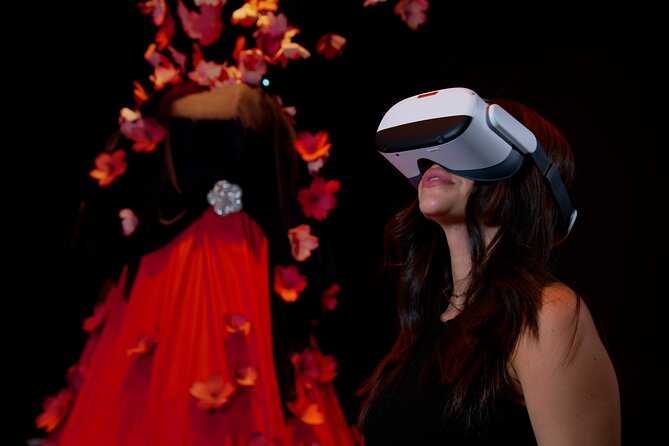
- VR and changing rooms keep the pace lively: The experience moves between text, sound, visual effects, and interactive technology.
- It suits families better than a long Fado concert: Children aged 10 to 14 have enjoyed the quick transitions and hands-on elements.
- Plan for about one hour, or closer to 75 minutes: The exact pace can depend on the guided visit and how long you spend with the displays.
- Praça David Leandro da Silva is not central Lisbon: It is near public transportation, but you may prefer to pair it with another attraction in that part of town.
Why Amália Rodrigues matters to Lisbon
Fado is often described as Portugal’s soulful urban music, built around longing, love, fate, and the hard edges of daily life. Amália Rodrigues became its most famous voice. Her career helped carry Fado far beyond Lisbon, making her a national cultural figure and an international performer.
You do not need to arrive as a Fado expert. In fact, the experience works particularly well if you know little about the music. It gives you enough background to understand why Amália mattered, then uses her voice and lyrics to make the subject feel personal rather than academic.
The presentation also treats Amália as more than a singer. Her material and immaterial legacy are presented through period scenery, recordings, visual material, and digital technology. That combination helps you connect the public performer with the woman behind the stage presence.
I would not expect a detailed scholarly study of every phase of Portuguese music. This is designed as a compact cultural experience, not a full music museum. Its purpose is to give you a strong sense of Amália, Fado, and the emotions behind the songs, then leave you curious to hear more.
More Fado Shows around Lisbon:
- Lisbon: Live Fado Show with Port Wine at Lisboa em Fado
★ 4.7 · 5,097 reviews - Lisbon: Fado Show and Wine inside Medieval Walls
★ 4.8 · 3,819 reviews - Lisbon: Fado Show and Portuguese Dinner
★ 4.5 · 1,531 reviews
Entering Ah Amália at Praça David Leandro da Silva
The experience takes place at Ah Amália, Living Experience, at Praça David Leandro da Silva 16, in Lisbon’s 1950-242 postal area. It is near public transportation, but it is not beside the central cluster of sights around Baixa, Alfama, or the Praça do Comércio.
That location has one practical consequence: you need to allow time to reach it. If your Lisbon schedule already includes the aquarium or the tile museum, this is a sensible pairing for the same part of the city. Otherwise, the ride may feel like a detour for a one-hour visit.
Prebooking is useful here. Your admission is included with the reservation, and confirmation is provided at booking. A timed entry means you do not need to worry about arriving and finding the experience full, but it also means late changes may be awkward. Free cancellation is available up to 24 hours before the start time. After that, the amount paid is not refunded, and changes made within 24 hours are not accepted.
The experience is offered in English, which makes it a practical choice for international visitors who want cultural context without needing Portuguese. Most people can take part, and the setting is near public transportation.
A guided introduction rather than a standard museum
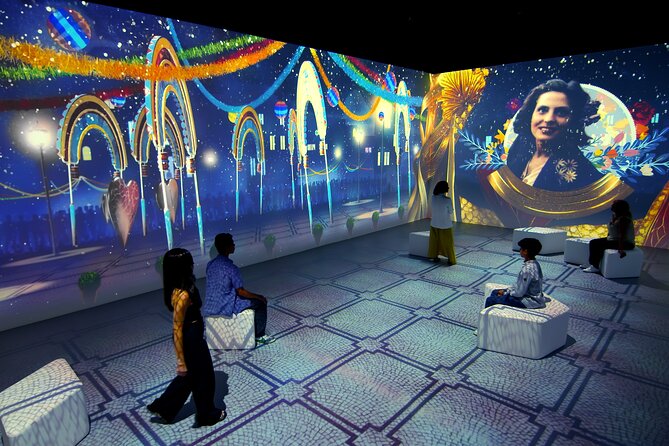
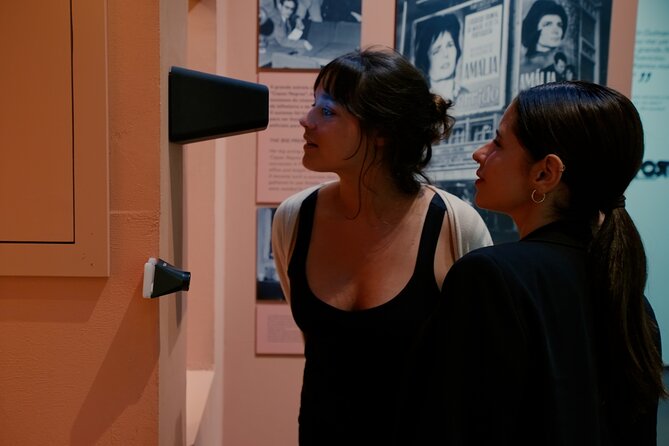
Ah Amália is built around movement. You pass from one area to another, taking in wall information, period scenery, audio, visual material, and digital content. The pace helps prevent the visit from becoming a slow march past framed photographs.
Guidance is part of the experience. A friendly escort leads you through the presentation and helps explain what you are seeing. The guide has been praised for handling several languages and answering questions, a useful feature if you want more than a self-guided audio or text display.
The amount of reading appears manageable, but it is still part of the visit. Young children who cannot read may lose interest during the more factual sections. Older children and teenagers have a better chance of staying engaged because the experience quickly shifts between information and technology.
I would treat the guide as an advantage, not just a way to move the group along. Amália’s career, Fado’s traditions, and the meaning of the songs are easier to follow when somebody provides a little context between the rooms. If you have a question, this is the point to ask it rather than trying to piece everything together alone.
The rooms where physical and digital elements meet
The central idea is the blend of tangible objects and modern presentation. The exhibition uses period scenery alongside dynamic content, so you are not simply looking at a timeline. You are given a sense of place, performance, voice, and atmosphere.
Some parts are more informative. You may find text about Amália’s life and career, along with material connected to Fado and her international work. Other sections are built to be felt through sound and sight. The change of pace is important, since Fado can be difficult to understand through explanation alone.
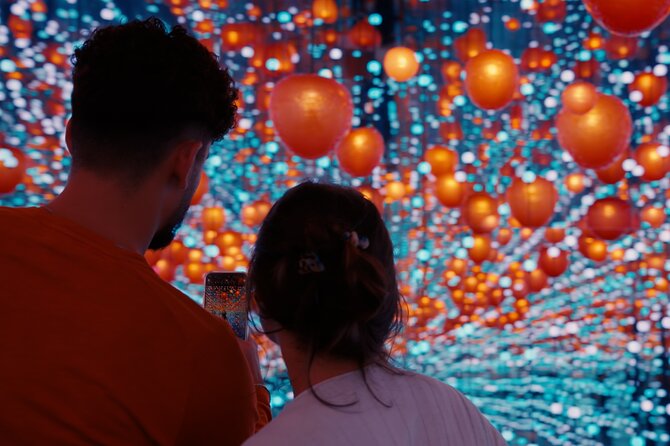
The visual design is one of the most frequently praised parts of the visit. One room uses orange and blue lighting, creating a strong visual break from the more traditional display areas. You may find that children respond more to these spaces than to the written material, while adults can appreciate how the technology supports the subject.
The presentation is polished, but it does not replace the music. The technology works best when it points you back to Amália’s voice and lyrics. If you are looking for original costumes, a large archive, or a quiet museum filled with objects, this may not be the right choice. If you want an accessible introduction with sound and movement, it makes more sense.
More Live Music around Lisbon:
- Lisbon: Alfama Tour and Live Fado with Traditional Dinner
★ 4.4 · 970 reviews - Lisbon: Tapas & Drinks with Fado Live Performance
★ 4.6 · 749 reviews - Fado in Chiado – Live Show in Lisbon on Stage for over 15 Years
★ 4.5 · 638 reviews - Lisbon: Live Fado Show in Historic Alfama with Port Wine
★ 4.8 · 572 reviews
VR goggles and a faster pace for families
Virtual reality is one of the more hands-on parts of the visit. The VR section gives the experience a change of rhythm and is especially useful for families who worry that children will become restless in a conventional cultural venue.
A family visit with children aged 10 and 14 took about 75 minutes and included enough variety to keep both children involved. The fast movement from one section to the next helped. The orange and blue room and the VR goggles were particular favorites.
That does not mean every child will love every minute. Very young children may not read the wall material, and some of the life story is still delivered through information panels. The experience is strongest for children who can follow a short guided presentation and enjoy music, images, and technology.
For adults, the VR element is less important than the context around it. Think of it as one part of a larger sequence, not the reason to buy the ticket. The real payoff comes when the technology and music work together at the end.
The hologram performance at the end
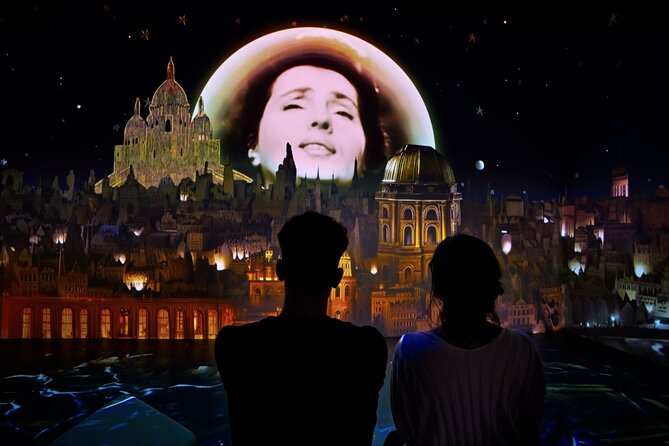
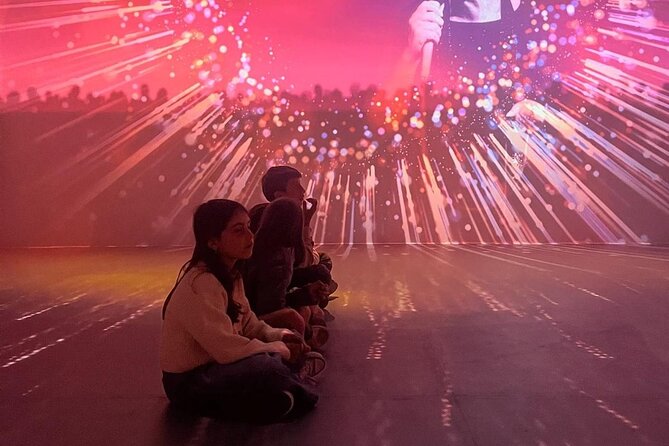
The final show is the part I would plan around. The hologram performance gives you a chance to experience Fado through Amália’s stage presence, voice, and songs rather than simply read about them.
It has been described as wonderful, moving, and especially powerful. The music and sound quality are a major part of its effect. The presentation uses modern projection and staging to recreate the feeling of a performance, making the closing section feel like a small concert rather than a museum finale.
This is also where the visit’s emotional purpose becomes clearest. Fado is tied to feeling, and Amália’s lyrics and voice carry more force when presented together. You may leave with a better understanding of why she remains such a major figure in Portuguese culture.
Keep your expectations sensible. This is a short multimedia show, not a full evening of live Fado in a Lisbon restaurant or concert hall. You will not get the length, spontaneity, or intimacy of a traditional live performance. What you do get is an efficient way to hear and see the artist who made Fado known around the world.
What the $24.20 ticket gives you
At $24.20 per person, the value depends on what you want from a cultural stop. If you only want to spend an hour looking at objects, the price may feel high. If you want a guided introduction with sound, scenery, VR, interactive content, and a closing hologram show, the ticket is easier to justify.
The price also saves you from committing to a longer Fado evening if your schedule or family group is uncertain. One family chose this format because the children would not have managed a long performance requiring them to sit quietly. That is a useful distinction. You get a taste of Fado without giving up an entire night.
The experience is also a good choice for a short Lisbon visit. You can learn the basic story of Amália and hear her music in about an hour, rather than spending several days trying to work out where to begin with Portuguese music.
The value is weaker if you already know Amália’s life in detail or have a strong plan to attend a full Fado performance. In that case, the exhibition may repeat some familiar material. Still, the hologram and interactive presentation provide a different format, so it can work as a visual supplement.
How to fit it into your Lisbon day
The address is the main planning issue. Ah Amália is not in the middle of the classic first-time Lisbon sightseeing route. You should check your transport plan carefully and leave enough time to reach the venue for your booked slot.
Pairing it with another attraction in the same general area makes the visit more efficient. The aquarium and tile museum have been suggested as useful combinations. The exact order depends on your timed entry, but placing two nearby activities on the same day avoids crossing Lisbon just for a one-hour appointment.
The visit itself is short enough to fit before a meal or another scheduled activity. Allow about an hour, but keep some flexibility because a guided visit may take closer to 75 minutes. You will want time for the displays rather than racing through them.
Since the experience is in English, international visitors can follow the story without needing to translate wall text. The guide can also help if you want to ask questions about Amália, Fado, or the presentation.
Who should book Ah Amália
I would recommend it most strongly to four groups:
- First-time visitors who want an introduction to Fado
- Adults who enjoy music, performance, and cultural storytelling
- Families with older children and teenagers
- Anyone with limited time who wants a short cultural activity
It is particularly helpful if your group is curious about Fado but not ready to spend an entire evening at a traditional show. The mix of fact, sound, VR, and visual effects gives you several ways into the subject.
Children younger than the reading age may enjoy the technology but lose patience with the explanatory sections. If your main goal is a quiet museum visit, the moving format and theatrical effects may feel too busy.
Dedicated Fado fans may prefer a live performance, where the music has more space and spontaneity. Ah Amália works best as an introduction or companion, not as a replacement for Lisbon’s traditional music venues.
The very high recommendation rate and 4.9 rating from 171 ratings point to a consistently strong experience, especially for the friendly staff, clear presentation, and final show. I would still make the location and format part of your decision rather than booking solely on the score.
Should you book this Fado experience?
Book Ah Amália if you want a polished, one-hour introduction to Amália Rodrigues and Fado, especially if you like interactive museums or are traveling with older children. The strongest reasons are the helpful guided format, the VR section, the striking room design, and the closing hologram performance.
Skip it if you want a full live Fado concert, a large collection of historic objects, or a central Lisbon attraction that you can reach on foot from the main old-town sights. The price is reasonable for the technology and guided presentation, but the visit is best when you pair it with another activity nearby.
For many visitors, this is a smart first step into Portuguese music. It gives you enough context to recognize Amália’s importance, and the final performance may send you looking for a real Fado night afterward.
FAQ
Where does Ah Amália Living Experience take place?
It takes place at Ah Amália, Living Experience, Praça David Leandro da Silva 16, 1950-242 Lisboa, Portugal.
How long does the experience last?
The experience lasts approximately one hour. Some visits, particularly family visits, have taken around 75 minutes.
How much does admission cost?
The listed price is $24.20 per person, with admission included.
Is the experience offered in English?
Yes. The experience is offered in English.
Is the experience suitable for children?
Most people can participate, and families with children aged 10 and 14 have enjoyed the visit. Very young children who do not read may find the text-heavy sections less engaging.
Is the experience near public transportation?
Yes. The venue is near public transportation, although it is away from many of Lisbon’s central attractions.
Can I cancel my booking?
Yes. You can cancel for a full refund up to 24 hours before the experience start time. Cancellations or changes made less than 24 hours in advance are not accepted for a refund.
Just added around Lisbon
- Lisbon by Night Tour: Fado Show and Dinner with Pick-up★ 4.0 · 132 reviews
- Lisbon: Rooftop Wine Tasting with Live Traditional Fado★ 3.5 · 3 reviews
- Private tour: Lisbon Fado Dinner Show and Panoramic Night Tour★ 4.5 · 21 reviews
- Lisbon Food Tour with 3 Stops and Fado Show Performance★ 5.0 · 56 reviews
- Private Tour: Lisbon Sunset Walking Tour with Fado Show and Dinner★ 5.0 · 30 reviews
- Authentic Alfama Experience: Fado Music and Cultural Walking Tour★ 4.5 · 48 reviews
- Lisbon Capital of Fado – Private Tour with Dinner★ 5.0 · 2 reviews
- Portuguese Fado Live Music Show in Lisbon★ 3.0 · 11 reviews
Fado Shows, compared.

Live Fado Show with Port Wine at Lisboa em Fado
Read our review →

Fado & Port Wine in Traditional Portuguese Music Shop
Read our review →
What is Fado? Commented Live Concert with Port Wine
Read our review →Browse the lists this tour appears in