
REVIEW · NEW ZEALAND
Twilight at the Opera
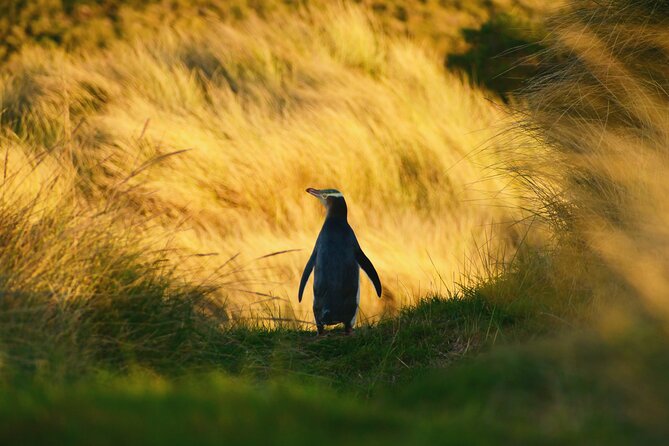
Sunset changes the Otago Peninsula. Twilight at the Opera combines a short guided nature visit with a close look at hoiho, or yellow-eyed penguins, and the work protecting them. I like the small group of up to 15 people and the chance to see wildlife in a private reserve rather than simply viewing animals from a crowded roadside stop. I also like that your ticket helps fund habitat restoration, rehabilitation, and education.
The main drawback is simple: wild penguins follow their own schedule. You may see yellow-eyed penguins returning from the sea, but you may not. Rain and cold can also make the final walk less comfortable, even though waterproof jackets and binoculars are provided.
Key points to know before booking
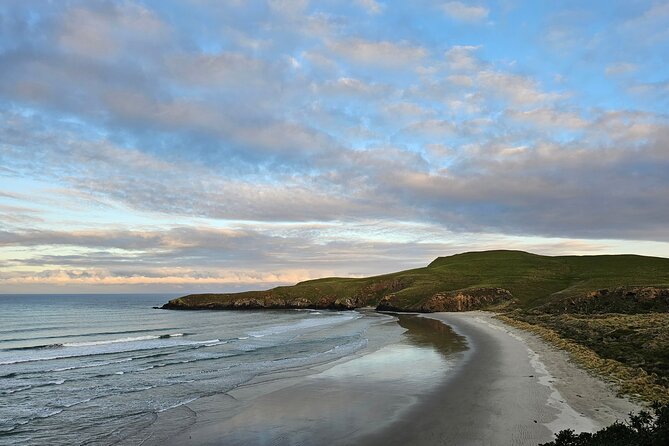
- Sunset is the star: The reserve takes on a different character as daylight fades, with the best seasonal chance to see hoiho returning from the sea.
- Three-part format: You begin with a theatre presentation, visit the rehabilitation centre, then head into the reserve with a guide.
- Penguins are never guaranteed: Wild sightings depend on the season, weather, and the birds’ movements.
- Useful equipment is included: You can borrow waterproof jackets and high-quality binoculars, a real help in Otago’s changeable weather.
- Your ticket supports conservation: Tour income goes directly toward rehabilitation, restoration, protection, and education at The OPERA.
- Short but active: The experience lasts about 90 minutes and requires a moderate level of physical fitness.
Why twilight works so well on the Otago Peninsula
The Otago Peninsula is one of those places where timing matters. During the day, you may see birds and marine life, but sunset brings a special moment: hoiho may return after spending the day at sea. These endangered penguins come ashore and move toward their resting areas, giving you a chance to see them in a natural setting.
That chance is the key word. The tour does not turn wild animals into a scheduled show. Some evenings may bring a memorable penguin sighting. On others, you may see seals, sea lions, shorebirds, land birds, and native plant life instead. I consider that a strength, though it can be hard for anyone expecting a guaranteed penguin encounter.
The changing light also gives the reserve a quieter, more atmospheric feel. You are not just ticking off a species from a checklist. You are watching a protected area settle into evening while learning why its wildlife needs careful management.
More Live Music around the world:
- Vienna: Vivaldi’s Four Seasons Concert in Karlskirche
★ 4.7 · 14,951 reviews - Venice: La Fenice Opera House Entry Ticket with Audio Guide
★ 4.6 · 11,742 reviews - Sydney: Opera House Guided Tour with Entrance Ticket
★ 4.8 · 8,312 reviews
Starting at 45 Pakihau Road
You meet at 45 Pakihau Road, Portobello, Dunedin 9077, and return there after the 90-minute experience. Since the tour begins and ends at the same place, you do not need to arrange a separate pickup point at the end of the evening.
The mobile ticket keeps the arrival process straightforward. Confirmation is provided at booking, so keep the ticket available on your phone. The information supplied does not include transport from central Dunedin, so you should plan how you will reach Portobello before setting off.
The group limit of 15 people is useful here. A smaller party makes it easier to hear the guide and use binoculars without fighting for a view. It also suits the nature of the visit, where patience and quiet observation matter more than a fast-moving crowd.
Part one: a clear introduction in the theatre
The experience begins indoors, in a theatre setting. This first section focuses on hoiho, the yellow-eyed penguin, and the conservation work carried out by The Otago Peninsula Eco Restoration Alliance.
That introduction gives the rest of the evening some purpose. You learn why the species is important and why a private reserve can help protect it. Instead of arriving with only a vague hope of seeing a penguin, you begin with a better sense of what to watch for and why the work matters.
The theatre segment is also a practical advantage if the weather is poor. A cold or rainy evening can make the outdoor portion feel demanding, so beginning inside gives you time to settle in before heading out. The supplied details do not specify the exact length of this presentation, but it is one of three parts within the total 90-minute tour.
If you are mainly seeking a long outdoor wildlife walk, this format may feel shorter than expected. If you appreciate context and conservation as much as the sighting itself, the theatre introduction earns its place.
Part two: seeing penguins in rehabilitation
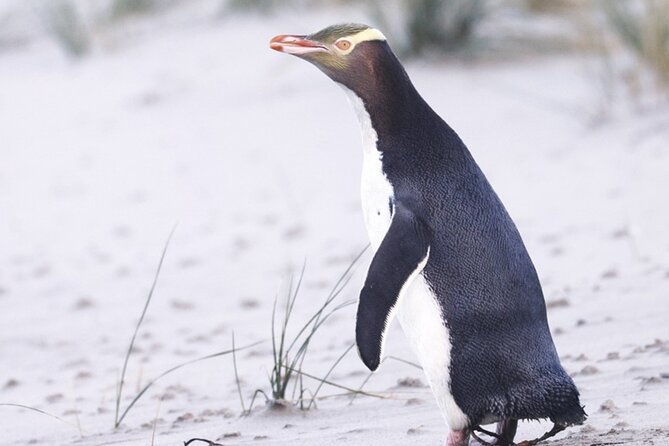
Next, you visit the rehabilitation centre. When penguins are receiving care, you may see hoiho and other penguin species up close.
This is often the most dependable penguin opportunity of the evening, since birds in rehabilitation can be viewed when they are present in the centre. It is also a different kind of encounter from seeing a wild bird return from the sea. Here, the emphasis is on care and recovery rather than spectacle.
The rehabilitation visit helps explain the difficult work behind wildlife protection. A close view can make the species feel more real, but it should also remind you that these birds are there because they need assistance. The centre is not a substitute for wild habitat. It is part of a larger effort that includes restoration and education.
A useful expectation to carry into this section is that animals may not always be in care. The description says penguins can be seen when birds are receiving treatment, so their presence is not guaranteed. On one rainy evening, two hoiho were seen in the rehabilitation area even though none came ashore in the wild. That kind of result can still make the visit worthwhile.
Same city, a different sound:
- New Orleans Steamboat Natchez Jazz Cruise with Dinner Option
★ 4.0 · 7,533 reviews - Budapest Danube Cruise and Dinner Options, Live Music and Dance
★ 4.5 · 7,428 reviews - Paris: 3-Course-Dinner Cruise on the Seine with live music
★ 4.7 · 7,248 reviews - Vienna: Classical Concert in the World-Famous Musikverein
★ 4.6 · 6,673 reviews
Part three: into the private reserve at sunset
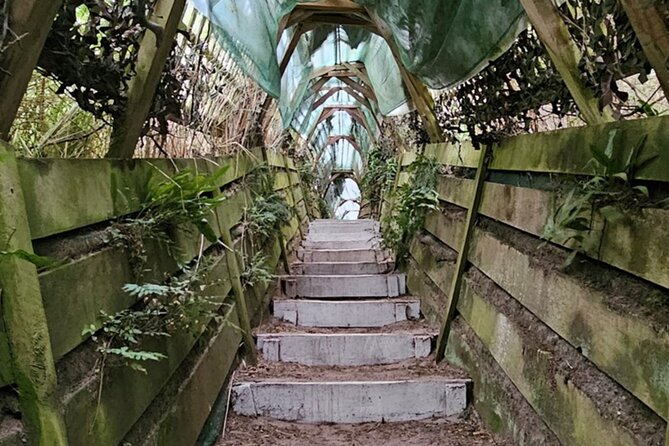
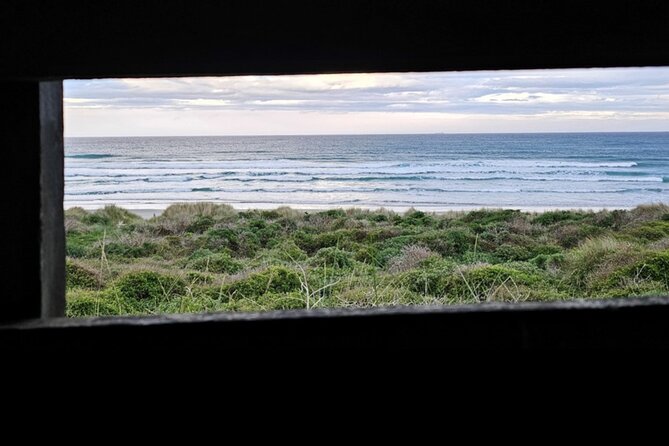
The final part takes you outside into the reserve. This is where the experience becomes most dependent on nature, weather, and timing.
With binoculars in hand, you may look for yellow-eyed penguins, fur seals, sea lions, shorebirds, land birds, and other native fauna. The guide or driver leads the visit, helping you make sense of what appears in the reserve rather than leaving you to guess at distant shapes.
The private setting is valuable because the tour is connected directly to the place’s protection and restoration work. You are not simply paying for access to a viewpoint. Your visit helps support the reserve’s wider program, including rehabilitation, habitat work, and public education.
Still, the outdoor section calls for realistic expectations. A penguin may remain out at sea, return later, or choose a route that is hard to see. Even when the sunset is beautiful, wildlife can be elusive. I would book this for the quality of the setting and the conservation purpose, with the penguin sighting treated as a possibility rather than a promise.
What a rainy evening can really mean
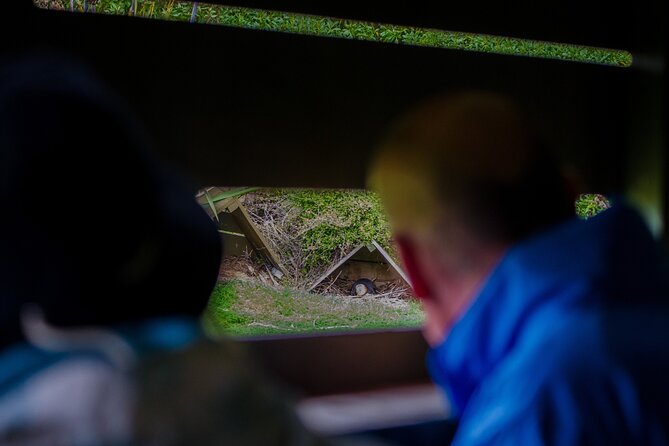
Otago weather can change quickly, and the provided experience includes complimentary waterproof jackets. That is more than a nice extra. One of the available accounts describes a cold, rainy evening that still felt worthwhile, helped by the loaned rain gear and binoculars.
Another practical point is footing. Walking carefully matters during a rain event, so wear shoes that feel secure on wet ground. The tour requires a moderate level of physical fitness, but no exact distance or trail surface is provided. You should be comfortable walking outdoors for part of the 90-minute visit and managing conditions that may be damp.
The jackets reduce the need to pack specialist rainwear, but they do not remove the need for warm clothing. The supplied information does not give a temperature range or detailed clothing list. I would bring layers and be ready for a chilly evening, especially because sunset is the whole point of the timing.
The value of the $46.54 price
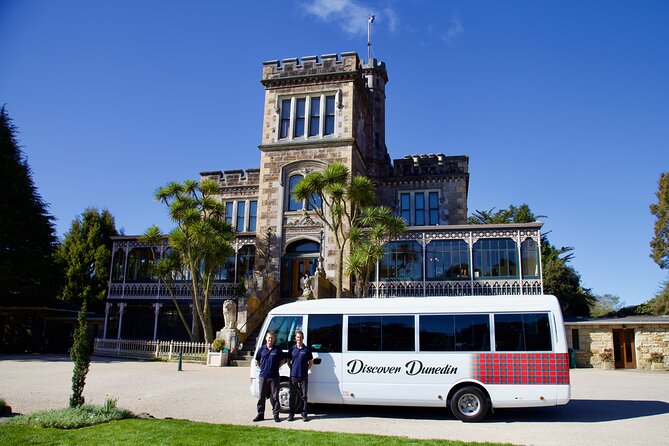
At $46.54 per person, the cost is reasonable if you value more than a quick wildlife sighting. The fee covers a guided 90-minute experience, the theatre presentation, access to the rehabilitation centre when animals are in care, use of binoculars, and a waterproof jacket.
The strongest part of the value is the conservation connection. Tour operations directly fund The OPERA’s rehabilitation, restoration, conservation, and education efforts. That means your payment supports the place you are visiting, not only the evening’s activities.
The price is less attractive if you judge it solely by the number of penguins seen. There is no guarantee that a yellow-eyed penguin will return to the reserve during your visit. You might see wildlife in the reserve, or you might mainly gain an understanding of the work being done there and see penguins in rehabilitation.
I would compare it with the cost of a standard sightseeing stop this way: here, you get a small-group guide, equipment, a structured presentation, and a conservation contribution. For someone who wants certainty and a guaranteed animal encounter, that may not feel like enough. For someone who wants responsible wildlife viewing, the balance is better.
The experience is commonly booked about 47 days in advance. That suggests you should not leave planning until the last minute if your Dunedin dates are fixed, particularly if you want a specific evening.
Who will enjoy this most
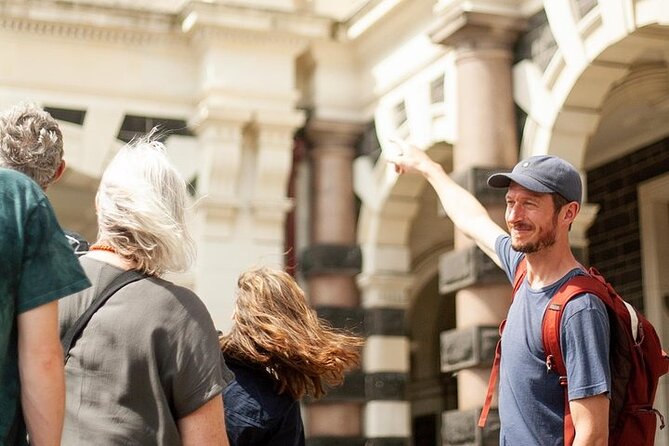
I think the tour suits you if you meet several of these conditions:
- You want a short wildlife experience rather than a full-day outing.
- You care about the protection of endangered species.
- You are happy to watch quietly and accept that wild animals set the timetable.
- You can manage a moderate amount of walking outdoors.
- You want sunset scenery on the Otago Peninsula.
- You appreciate a small group, with a maximum of 15 people.
- You are comfortable visiting a rehabilitation centre as part of the experience.
It is also a good option if you are visiting Dunedin and want an activity with a clear local connection. The focus is not just on scenery. It links the peninsula, its wildlife, and the practical work needed to protect both.
You may want to choose something else if your main goal is a guaranteed close-up view of wild yellow-eyed penguins. The chance is strongest at certain times of year, but no wild sighting can be promised. You should also think twice if cold, rain, or outdoor walking would make the evening unpleasant for you.
How to get the most from the 90 minutes
Arrive ready for the full three-part format. The theatre presentation is not filler. It gives you useful context before you look for wildlife, so pay attention to the conservation information.
Use the binoculars even when an animal seems visible without them. They can help you identify birds and watch distant wildlife without approaching or disturbing it. The supplied jackets are worth borrowing if the evening looks wet or cold.
Keep your expectations flexible. A successful visit might include a wild hoiho, two penguins in rehabilitation, a sea lion, several birds, or simply a better understanding of the reserve’s work. On a rainy evening, the best result may be a combination of indoor penguins, careful outdoor viewing, and a memorable sunset.
The tour ends back at the meeting point on Pakihau Road. Alcoholic drinks are not included, so plan on the experience being focused on wildlife, conservation, and the reserve rather than refreshments.
Book it, or skip it?
I would book Twilight at the Opera if you want a responsible, small-group wildlife visit and can accept uncertainty. The strongest reasons are the sunset timing, the chance to see hoiho in the wild, the rehabilitation-centre visit, and the direct support your ticket provides to conservation work.
I would skip it if you need a guaranteed wild penguin sighting or dislike damp, cool outdoor conditions. For everyone else, the $46.54 price is fair for a carefully structured 90-minute experience with equipment included and a clear purpose beyond sightseeing.
FAQ
Where does Twilight at the Opera begin?
The tour begins at 45 Pakihau Road, Portobello, Dunedin 9077, New Zealand.
Where does the tour finish?
The experience ends back at the meeting point on Pakihau Road.
How long does the experience last?
The tour lasts approximately 1 hour and 30 minutes.
How many people can join the tour?
The maximum group size is 15 people.
Will I definitely see a yellow-eyed penguin in the wild?
No. The tour provides an opportunity to see hoiho returning from the sea, but wild sightings depend on the birds and the conditions.
Can I see penguins in the rehabilitation centre?
You may see hoiho and other penguin species in the rehabilitation centre when birds are in care.
What wildlife might I see besides penguins?
Possible wildlife includes fur seals, sea lions, shorebirds, land birds, and other native fauna.
Are binoculars provided?
Yes. High-quality binoculars are available for use during the experience.
Are waterproof jackets provided?
Yes. Complimentary waterproof jackets are provided.
What happens if I need to cancel?
You can receive a full refund if you cancel at least 24 hours before the experience start time. Cancellations or changes made less than 24 hours before the start time are not accepted for a refund.
Just added around the world
- Warsaw: Guided Walking Tour with a Private Chopin Concert★ 5.0 · 13 reviews
- Wrocław: Chopin & Friends piano concerts★ 4.6 · 28 reviews
- Wine, Jazz and Magic: A Night at Malkhaz Jazz Club★ 5.0 · 2 reviews
- Warsaw: Candlelight Concert at Fryderyk Concert Hall★ 4.7 · 110 reviews
- Warsaw: Chopin Concert Ticket With Glass of Champagne★ 4.7 · 59 reviews
- Vienna: Romantic Classics Piano, Violin, and Cello Concert★ 4.7 · 60 reviews
- Vienna: Sunday Brunch Danube Cruise & Live Music★ 4.2 · 42 reviews
- Vienna: Concert by the Vienna Baroque Orchestra★ 4.6 · 56 reviews