
REVIEW · USA
Tunica: Gateway to the Blues Museum Tour
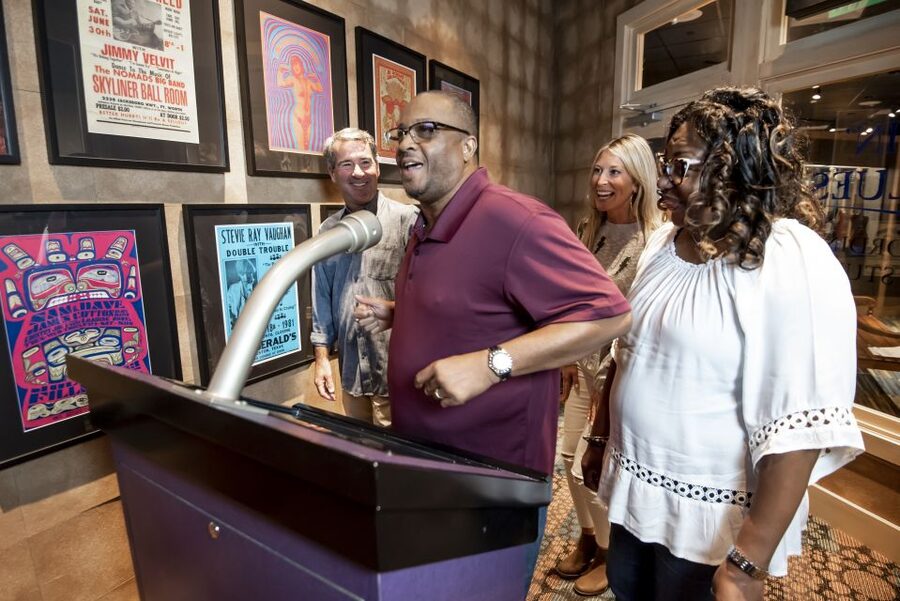
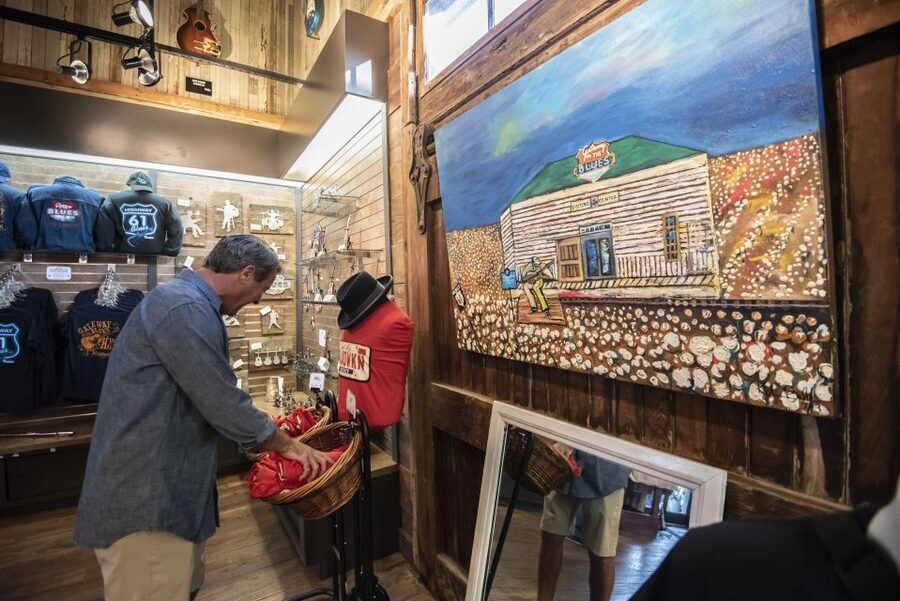
The blues starts here. Tunica’s Gateway to the Blues Museum puts you on Highway 61, the famous Blues Highway, and gives the music a clear, human beginning. I like the mix of historic objects and hands-on exhibits, especially W.C. Handy’s first cornet and the chance to record your own song. I also like that the museum explains the blues as a form of expression, not just a music style. The main drawback is its short, self-guided format, which may feel limited if you want a full-day museum visit or a live performance.
You can see guitars connected with famous artists, follow the shift from sheet music to recorded music, and learn how Tunica and the Mississippi Delta helped shape the genre. At $10 per person, it is an easy-value stop for music fans, though food and drinks are not included and the museum itself is only one part of a day in the Delta.
Key points about Tunica’s blues museum
- Highway 61 location: Begin your Mississippi Delta music journey on the road known as the Blues Highway.
- W.C. Handy’s first cornet: See an important object linked to one of the early figures in blues music.
- More than 20 famous guitars: Get close to instruments used by artists from several musical genres.
- Make your own recording: Write and record a blues song in the interactive studio exhibit.
- Self-guided and flexible: Explore at your own pace during the one-day validity period.
- Low admission price: The $10 fee makes this a practical stop for individual visitors, couples, and families interested in music.
Starting on Highway 61 in Tunica
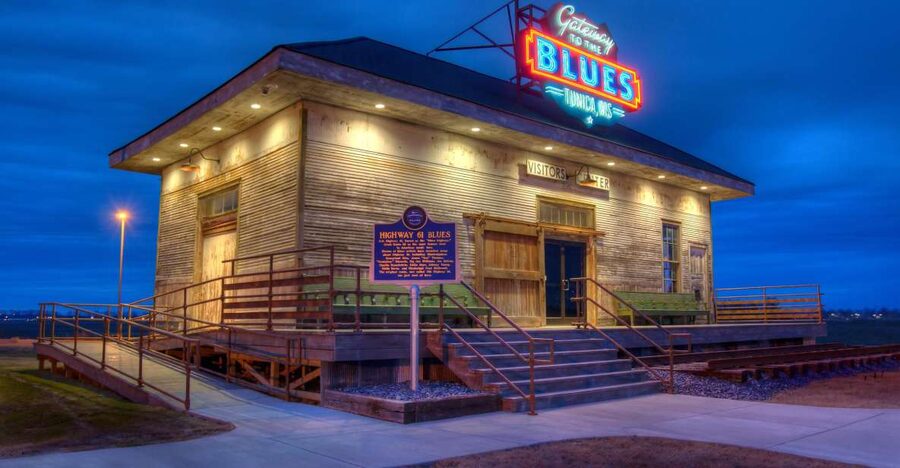
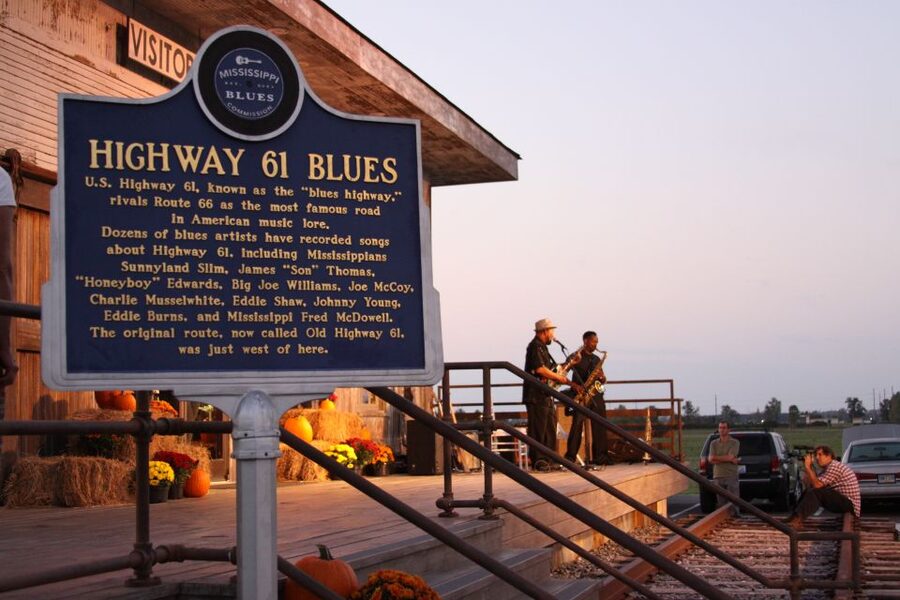
The Gateway to the Blues Museum sits on Highway 61, a road with strong meaning in American music. Here, the setting is part of the lesson. You are not simply entering a general music museum. You are arriving on the route that points toward the Mississippi Delta, where blues traditions grew and traveled outward.
That location helps frame the visit. The blues did not appear as a polished concert product. It developed as a way for people to express hardship, longing, humor, faith, work, and daily life. The museum presents that emotional side of the music while also showing how the sound changed as it reached new audiences.
I would use the museum as a starting point before exploring more of the Delta. The visitor center provides informational booklets and brochures, so you can collect ideas for the rest of your day. The attraction itself is not a guided driving tour, but it can give your route more meaning before you continue through blues country.
The experience is self-guided. That gives you freedom to linger over the objects that interest you and move quickly through displays that do not. It also means you should not expect a scheduled lecture, a live band, or a guide leading you from room to room.
More Museum Visits around the USA:
- Little Havana Tour Private Cuban Podcaster Art, Museums, Music
★ 4.5 · 93 reviews - Bellagio Gallery of Fine Art: “American Duet: Jazz” Exhibit
★ 4.0 · 5 reviews - Venice: Vivaldi’s Four Seasons Concert & Music Museum Visit
★ 4.8 · 2,065 reviews
W.C. Handy’s cornet and the early sound of blues
One of the most useful stops is the display of W.C. Handy’s first cornet. The object gives the story a physical anchor. Instead of hearing only broad statements about the origins of blues, you can connect the music to an actual instrument associated with an important early figure.
The museum also explains the role of sheet music. This matters because music once spread in a very different way. Before recordings could carry a song into homes and shops, printed music helped distribute melodies and lyrics. The story then moves toward recorded music and the way recordings changed access to the blues.
That shift is worth your attention. Sheet music could carry a tune, but a recording preserved a voice, an accent, a rhythm, and a performance style. The change helped the blues reach people far beyond the Mississippi Delta. It also made individual singers and musicians more recognizable to a wide audience.
The displays connect these changes without turning the visit into a technical music lesson. You do not need to read music or know the names of early performers to follow the basic story. If you already love blues, you may appreciate the chance to place familiar sounds into a larger timeline.
More than 20 guitars with famous connections
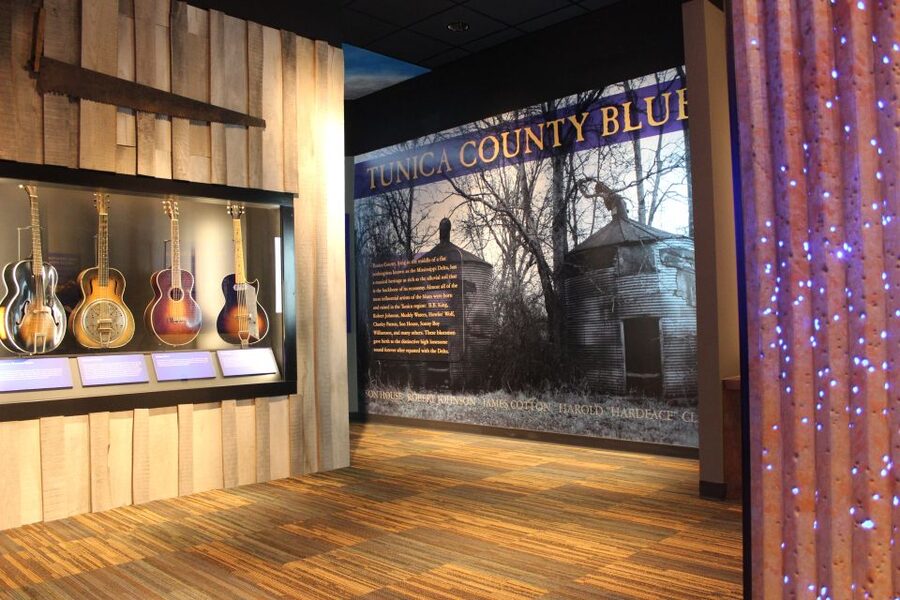
The guitar collection gives the museum another strong attraction. You can see more than 20 guitars used by famous artists across several genres. The instruments help show that blues did not remain in one narrow category. Its sound influenced rock, country, soul, and other forms of popular music.
I like this part of the experience because guitars are easy to understand. Even if you are not an expert, you can look at the shape, construction, and wear of each instrument and consider the music connected with it. The collection also helps bridge the gap between the early Delta sound and the wider musical world that followed.
Do not expect a large national music museum with hundreds of instruments. The strength here is the connection between the guitars and the story being told. You are seeing instruments in a museum devoted to the path of blues, rather than browsing a random collection of famous objects.
Families may find the guitars more approachable than displays filled with dates and written explanation. Music fans can spend extra time studying the instruments, while casual visitors can use them as visual markers as the music moves across genres.
Writing and recording your own blues song
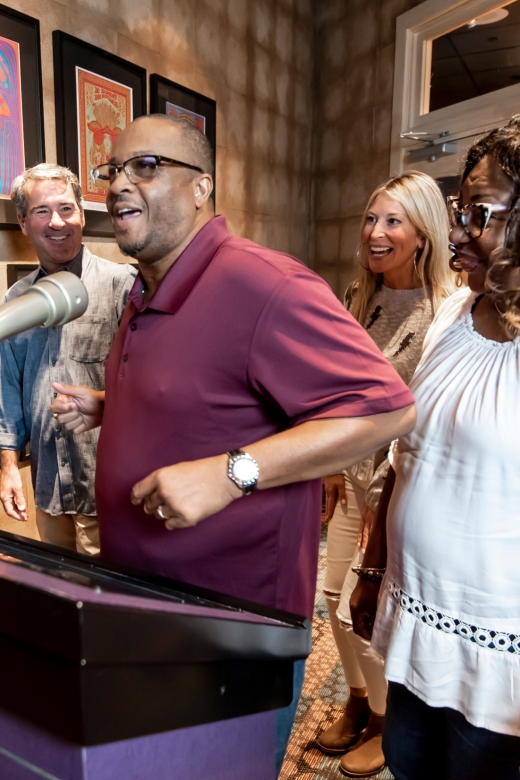
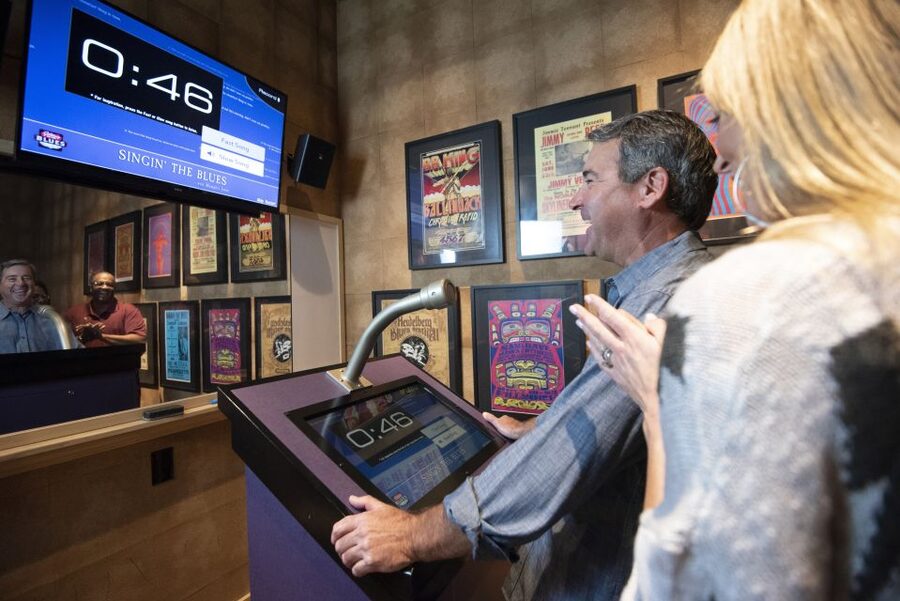
The most playful part of the museum is the interactive recording studio. You can learn basic ideas behind blues music, write your own blues song, and record it. This changes the visit from a one-way lesson into a small creative exercise.
You do not need to arrive with musical training. The exhibit is designed to introduce the basics, then give you a chance to try them. The point is not to produce a professional recording. It is to help you understand how blues lyrics and musical patterns can turn personal experience into a song.
This activity can be especially useful for families and younger visitors. A child who might lose interest in display cases may pay attention once there is a chance to create something. Adults who usually passively listen to music may also find the exercise surprisingly revealing. It gives you a better sense of the structure behind a song.
The recording studio also reinforces the museum’s larger idea: blues is a form of expression. The genre is not only a set of guitar sounds or a chapter in a music textbook. It is a way to turn feeling into language, rhythm, and performance.
The available information does not specify how long the recording activity takes or whether you receive a permanent copy. I would treat it as an interactive museum exhibit rather than a full studio session.
More Live Music around the USA:
- New Orleans Steamboat Natchez Jazz Cruise with Dinner Option
★ 4.0 · 7,533 reviews - New Orleans Steamboat Natchez Jazz Cruise
★ 4.5 · 5,334 reviews - New Orleans: Evening Steamboat Jazz Cruise + Optional Dinner
★ 4.3 · 4,548 reviews - New Orleans: Daytime Steamboat Jazz Cruise + Optional Lunch
★ 4.3 · 4,164 reviews
How Tunica and the Mississippi Delta fit the story
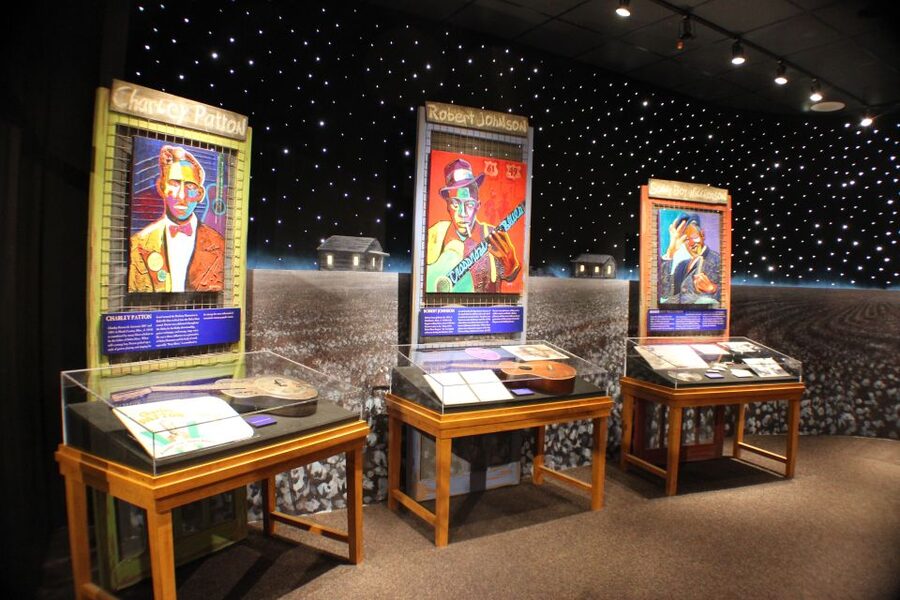
The museum gives Tunica a place in the wider story of the Mississippi Delta. That is important because many visitors know the phrase Blues Highway but may not understand why this region matters. The exhibits connect local geography with the movement of people, musical ideas, and performance traditions.
The blues is presented as music shaped by experience. Its emotional force comes from the way musicians worked with limited resources and personal subject matter. The museum’s focus on anguish and struggle is not there for drama alone. It explains why the sound carries such weight, even when the arrangement is simple.
You will also see how the blues moved beyond its original setting. Sheet music helped spread songs. Recordings carried performances farther. Instruments and artists then influenced other genres. The story is about movement as much as origin.
That makes the museum a useful first stop before visiting other places associated with Delta music. It does not replace a broader tour of the region, but it gives you a framework for understanding what you see later.
What the self-guided format means for your visit
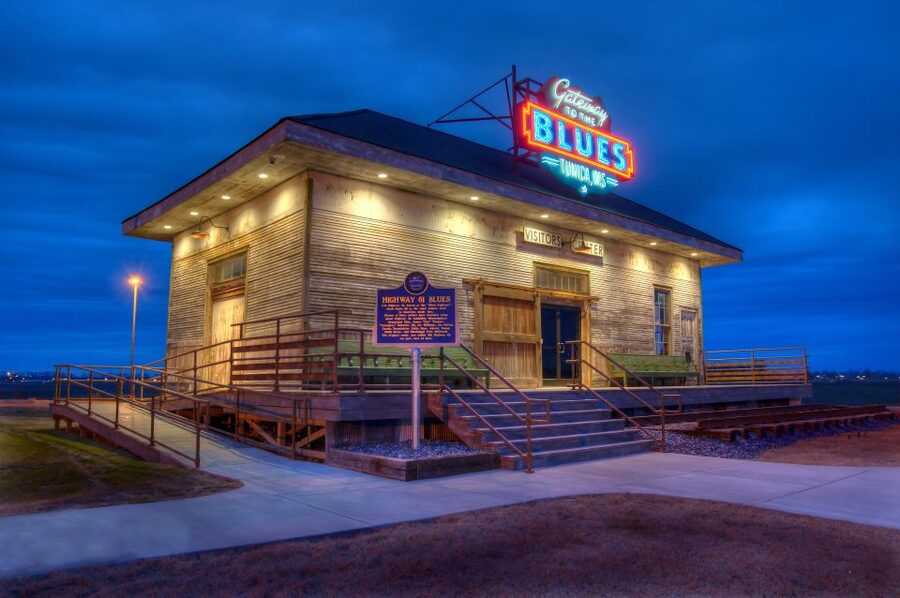
Your admission covers a self-guided tour. You can set your own pace, which is helpful if your day includes other stops along Highway 61. The ticket is valid for one day from first activation, so you have flexibility within that period.
The host or greeter speaks English, and the listed language for the experience is English. If you need another language, you should not assume translated exhibits or audio materials are available, since no other language support is specified.
The museum is wheelchair accessible. Flash photography is not allowed, so keep your camera use within that rule. The supplied information does not give a precise visit length beyond the one-day validity, and it does not list transportation from other towns. You will need to arrange your own way to the museum.
There is no food or drink included. Plan your meal separately, especially if you are making a full day of the Delta. The visitor center’s booklets and brochures can help you decide what to see next, but the museum ticket itself covers the museum visit rather than a wider guided excursion.
Is $10 a fair price?
At $10 per person, this is a reasonable admission price. You receive access to historic objects, music displays, guitars, interactive material, and the recording studio. For someone who already plans to drive along Highway 61, the cost is small compared with the value of adding context to the route.
The price is strongest for music lovers who will take time with the exhibits. If you rush through in a few minutes, the ticket may feel less worthwhile. The self-guided setup makes the experience flexible, but you are responsible for giving it enough attention.
The museum also works well for mixed-interest groups. A devoted blues fan can focus on instruments and musical development. Someone with only a passing interest can learn through the visual displays and try the recording studio. That range gives the admission broader value than a display collection aimed only at specialists.
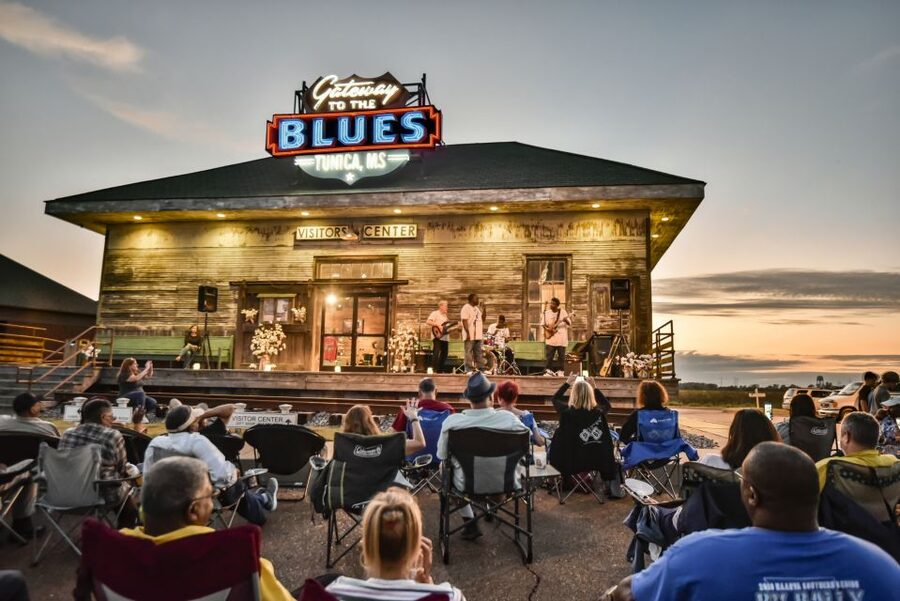
Still, you should keep expectations sensible. The ticket does not include food, drinks, transportation, or a live blues performance. It is a museum stop and an introduction to the region, not a full concert evening or guided Mississippi Delta tour.
Who will enjoy the Gateway to the Blues Museum most?
I would recommend this experience to:
- Blues fans who want a clear introduction to the genre’s origins
- Music lovers interested in guitars and the spread of recorded music
- Families looking for an activity with something hands-on
- Visitors driving Highway 61 through Mississippi
- People who want historical context before exploring the Delta
- Anyone curious about how personal expression becomes music
It may be less satisfying if you want a long guided tour, extensive behind-the-scenes access, or a live performance. The museum gives you objects, explanations, and an interactive recording activity, but it does not promise a concert or a full day of scheduled programming.
The strong rating of 4.5 from four reviews suggests a positive experience, though the sample is small. Two verified five-star comments particularly praised the chance to learn about Southern blues heritage. One visitor came with a spouse who already loved blues and found the museum valuable as a way to understand the music’s cultural background. That is a useful clue for couples or groups with different levels of musical interest.
Practical advice before you go
Give yourself enough time to read the displays rather than treating the museum as a quick photo stop. The cornet, guitars, and recording studio each tell a different part of the story, and the visit works best when you connect them.
Use the visitor center brochures to plan what comes next. The museum is well suited to the beginning of a day on the Blues Highway because it helps you recognize the importance of the towns, roads, and musical traditions you encounter afterward.
Keep your camera flash turned off. If you are visiting with children, explain that the recording studio is an exhibit with an educational purpose, not necessarily a professional recording service.
If you are booking ahead, the flexible payment policy lets you reserve without paying immediately, and cancellation is allowed up to 24 hours before the experience for a full refund. Those terms are useful if your Mississippi driving plans may change.
Should you book this Tunica blues museum visit?
Book it if you are already near Tunica, care about American music, or want a meaningful first stop on Highway 61. The $10 price is easy to justify, especially because the visit combines real artifacts, famous guitars, music history, and a chance to make your own recording.
Skip it only if you are looking for a live show, a guided tour, or a full-day attraction with meals and transportation included. For everyone else, the Gateway to the Blues Museum offers a concise and approachable way to understand how the blues began, why the Mississippi Delta matters, and how a personal story can become a song.
FAQ
Where is the Gateway to the Blues Museum?
It is located in Tunica, Mississippi, on Highway 61, also known as the Blues Highway.
How much does admission cost?
Admission costs $10 per person.
How long is the experience valid?
The admission is valid for one day from first activation.
Is the museum tour guided?
The admission includes a self-guided tour. An English-speaking host or greeter is listed, but the experience is not described as a guided tour.
What can I see at the museum?
You can see W.C. Handy’s first cornet, more than 20 guitars used by famous artists, artwork, and exhibits about the origins and development of blues music.
Can I record a song at the museum?
Yes. The interactive recording studio lets you write and record your own blues song after learning basic elements of blues music.
Are food and drinks included?
No. Food and drinks are not included.
Is the museum wheelchair accessible?
Yes. The experience is listed as wheelchair accessible.
Can I use flash photography?
No. Flash photography is not allowed.
Can I cancel for a refund?
Yes. You can cancel up to 24 hours in advance for a full refund. You can also reserve now and pay later.
Just added around the USA
- Sunset Cruise with Live Music★ 4.0 · 18 reviews
- St. Louis Blues Ice Hockey Game Ticket at Enterprise Center★ 4.0 · 5 reviews
- St Augustine Nights of Lights Tour with Live Music and Sunset Opt★ 4.5 · 69 reviews
- Shared 2 Hour September Sunset Cruise from Gig Harbor★ 5.0 · 13 reviews
- Tacoma & Gig Harbor Hotel Transportation To/From Seattle Airport★ 5.0 · 3 reviews
- Savannah Live Music Walking Tour★ 4.5 · 18 reviews
- Utah Jazz Basketball Game Ticket at Delta Center★ 4.5 · 2 reviews
- French Cuisine & Live Piano Concert at Chez Sandrine!★ 5.0 · 2 reviews
Museums, compared.
Vivaldi’s Four Seasons Concert & Music Museum Visit
Read our review →
Classical Concert at Mozarthaus with Museum Entry
Read our review →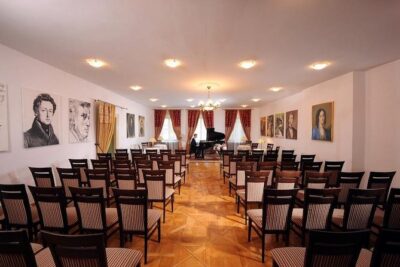
Chopin Piano Concert at Chopin Gallery with a Glass of Wine
Read our review →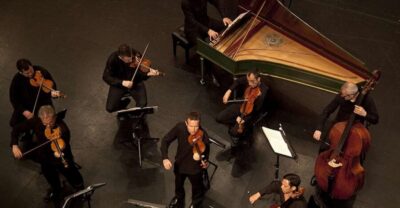
Vivaldi Baroque Concert Ticket and Free Music Museum
Read our review →
Little Havana Tour Private Cuban Podcaster Art, Museums, Music
Read our review →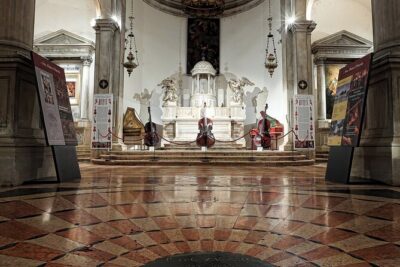
Vivaldi’s Four Seasons Concert and Music Museum Visit
Read our review →
Prague Super Saver: Lobkowicz Palace Concert plus Lobkowicz Palace Museum Entrance Ticket
Read our review →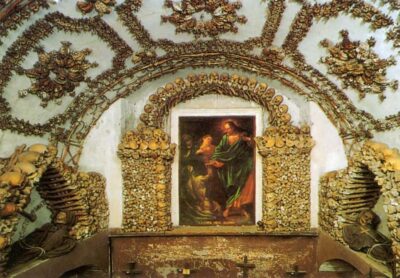
Capuchin Crypt & Museum Tour with Choral Concert
Read our review →Browse the lists this tour appears in