
REVIEW · GERMANY
Berlin: Classical concerts in Köpenick Palace – Aurora Hall
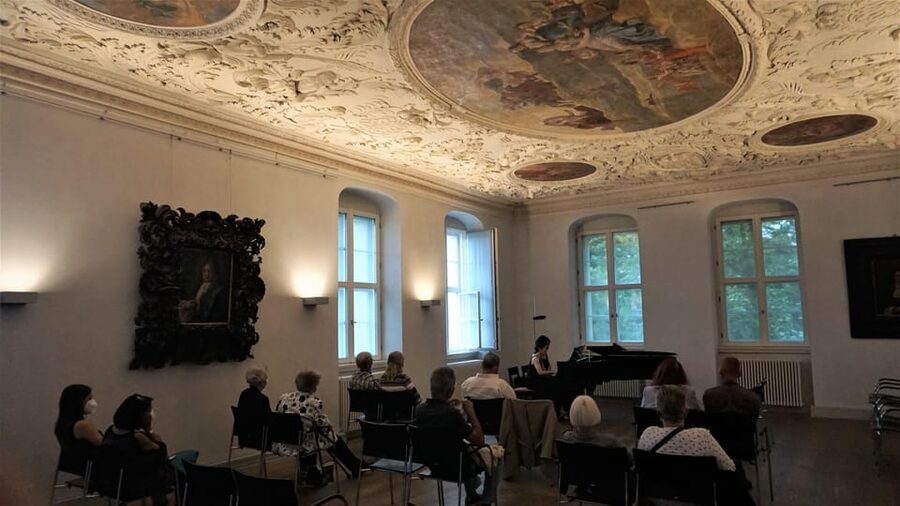
Music sounds different in an old palace. Köpenick Palace’s Aurora Hall gives classical concerts a graceful setting, with 90-minute programs devoted to Mozart, Bach, Schubert, opera, and more. I like the strong range of music and the chance to pair a concert with free museum admission. I also like the modest price of $33, which can make a formal concert in Berlin feel quite reachable.
The main caution is practical rather than musical. One verified booking reported that a performance did not take place and that no follow-up had arrived by the time of the complaint. Another report praised the music but found the hall excessively hot because it had no cooling, so I would check the current event details and prepare for variable comfort.
Key points to know before booking
- Aurora Hall setting: You hear the concert inside Köpenick Palace, a historic venue that gives even a short program a special sense of occasion.
- A wide 2026 program: Choose from romantic duets, Mozart piano works, Bach violin sonatas, Schubert songs, opera selections, and music connected with Frederick the Great.
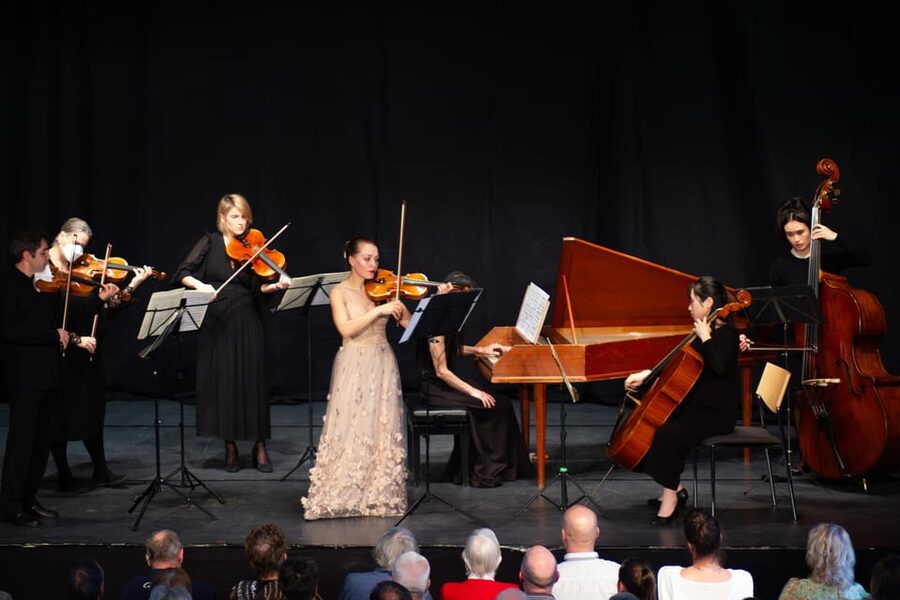
- Named performers: The schedule lists soprano Inês Pinto, baritone Stephen Barchi, pianist Maria-Magdalena Pitu-Jokisch, violinist Marianne Boettcher, and other individual artists.
- Good value at $33: Your ticket includes free museum admission, so you can add a cultural visit before or after the music without another museum charge.
- Ninety minutes: The concert length suits an evening in Berlin without taking up an entire day.
- Plan for comfort and reliability: A past complaint cited excessive heat, while another described a canceled event with no response. Check the date carefully before setting your evening around it.
What a concert at Köpenick Palace feels like
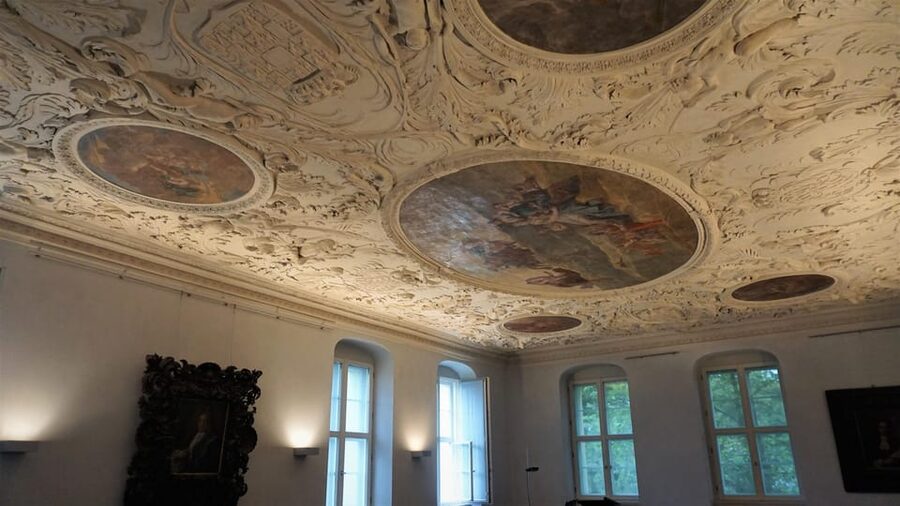
Köpenick Palace provides more than a neutral concert room. The Aurora Hall is presented as a historic setting for opera and classical music, and that setting matters. A Mozart piano recital in a palace room has a different character from the same works in a modern auditorium. The surroundings can help you pay attention to the relationship between music, art, and the building itself.
The program length is 90 minutes. That is long enough for a substantial selection of works, but short enough to fit neatly into a day of sightseeing. You will not need to sacrifice an entire evening to hear a recital, and the format may suit you if you are testing classical concerts for the first time.
The mood will depend heavily on the date you choose. A program of romantic duets asks for a different kind of attention than a set of Bach sonatas or four-hand piano pieces. I would select the music first and treat the palace setting as the bonus, rather than choosing a date simply because it fits your schedule.
More Classical Concerts around Germany:
- Berlin: Classical Concert at Kaiser Wilhelm Memorial Church
★ 4.6 · 387 reviews - Munich: Classical Concert at the Residenz Palace
★ 4.6 · 299 reviews - Berlin: Classical concerts at the Bode Museum Berlin
★ 4.3 · 26 reviews
The 2026 calendar, from romantic duets to Iberian guitar
The schedule covers a useful spread of periods and formats. Here is what each announced program offers.
February 15: Pure Romance, Romantic Duets
Soprano Inês Pinto and alto Kristina Naudé perform with pianist Beatrice Wehner-Schaller. This is the clearest choice if you want the emotional side of classical singing, with two vocal ranges working together rather than a solo singer carrying the full program.
The duet format can make a concert feel conversational. You hear contrast between the soprano and alto voices, with the piano providing the foundation. If you prefer vocal music to instrumental recital work, this is one of the easiest dates to choose.
March 8: Mozart Piano Works, Complete Performance 2nd Program
Maria-Magdalena Pitu-Jokisch performs the second program in a complete presentation of Mozart piano works. Since this is part of a sequence, it is best suited to a listener who enjoys following a composer across several concerts or who already has a particular interest in Mozart’s keyboard music.
The phrase complete performance suggests a focused program rather than a mixed selection of famous favorites. You should expect the piano to remain at the center for the full 90 minutes.
More Palace and Fortress Concerts around Germany:
- Salzburg: Mozart Concert at Mirabell Palace
★ 4.8 · 3,498 reviews - Salzburg: Best of Mozart Fortress Concert and Dinner
★ 4.5 · 1,424 reviews - Prague Castle: Midday Classical Concert at Lobkowicz Palace
★ 4.6 · 1,106 reviews - Exclusive Evening at Schönbrunn Palace: After-Hours Audiotour, Dinner, Concert
★ 4.0 · 930 reviews
March 22: Mozart Songs, Arias, and Duets
Mezzo-soprano Yuri Mizobuchi and baritone Stephen Barchi appear with pianist Graham Cox. This date offers more variety than a solo recital, moving among songs, arias, and duets.
I would pick it if you want a broad introduction to Mozart’s vocal writing. The combination of mezzo-soprano and baritone gives the program two distinct vocal colors, while the duet selections should add some change in pace and texture.
March 29: Mozart Ensemble Berlin, The Seven Last Words of the Savior on the Cross
Mozart Ensemble Berlin performs The Seven Last Words of the Savior on the Cross. The title points to a serious and reflective program, likely more solemn in tone than the lighter vocal or piano dates.
This is a sensible choice for you if you want music with a religious or contemplative character. It may not be the best match if you are seeking a cheerful introduction to classical music. The supplied details do not identify the exact instrumentation or vocal format, so I would check the final program notes before booking.
April 3: The Music Book of Frederick the Great
Recorder player Susanne Ehrhardt and harpsichordist Yuko Tomeda perform music connected with Frederick the Great. This is one of the most distinctive options in the calendar because of its unusual pairing of recorder and harpsichord.
The program connects music with a royal historical figure, giving the concert an added historical angle. If you like early music and period instruments, this date deserves serious attention. It should also appeal to museum-minded visitors who enjoy seeing how art and history overlap.
April 4: Mozart Piano Works, Complete Performance 3rd Program
Naoko Fukumoto takes over for the third Mozart piano program. Like the March 8 date, this is a concentrated piano recital within a larger sequence.
You can attend this as a stand-alone concert, but the numbered format is especially appealing if you want to compare the different programs. The performer changes, too, which gives the series a different musical voice from one date to another.
April 5: Piano Magic for Four Hands
Naoko Fukumoto and Maria-Magdalena Pitu-Jokisch share the piano. Four-hand piano music has a built-in visual and musical appeal because two performers must coordinate on one instrument.
I like this as a choice for people who are new to formal recitals. The shared format gives the event a more social feel than a solo piano program, while the palace room supplies the ceremony. It is also a good option if you want a program that is easy to distinguish from the Mozart series.
April 6: Classical Violin Sonatas
Violinist Annegret Pieske performs with pianist Victoria Litsoukova. This is the traditional violin and piano pairing, with both instruments sharing the musical conversation.
The date should suit you if you enjoy chamber music and prefer a close partnership over a large ensemble. Violin sonatas can be intimate and detailed, so the hall setting may matter more here than in a larger concert. The program title is broad, and the listed information does not specify the composers.
May 1: Schubert Potpourri
Baritone Stephen Barchi returns with pianist Maria-Magdalena Pitu-Jokisch for a Schubert program. The word potpourri signals a varied selection rather than one single long work.
This is an attractive date if you want German-language art song and a program with several shorter pieces. Some content may be presented in its original language, so do not assume that every vocal selection will be translated into English. The musical focus is likely to matter more than a staged opera presentation.
May 10: Bach Violin Sonatas 2
Violinist Marianne Boettcher and harpsichordist Yuko Tomeda perform the second Bach violin sonata program. The harpsichord makes this different from a modern piano and violin recital, with a sound more closely tied to early music performance.
This date is best for patient listeners who enjoy intricate instrumental lines. It may feel less immediately familiar than a program built around famous opera arias, but the pairing gives you a clear sense of the period style.
May 17: Piano Music to Dream To
Maria-Magdalena Pitu-Jokisch presents a solo piano program with a deliberately gentle title. This is the date to choose if you want an unhurried, restful musical mood rather than vocal drama or technical display.
The title is evocative, but the supplied information does not name the composers or individual works. Check the detailed program if knowing the repertoire is important to you.
May 31: Iberian Sounds
Soprano Inês Pinto performs with guitarist Márcio Silva. This pairing gives the calendar a change of color, moving away from central European piano and chamber music toward Spanish or Portuguese influence.
The program should appeal to you if you like voice and guitar, or if you want something less predictable than another Mozart recital. The title points to Iberian material, but exact composers and songs are not specified.
Why the $33 ticket can be good value
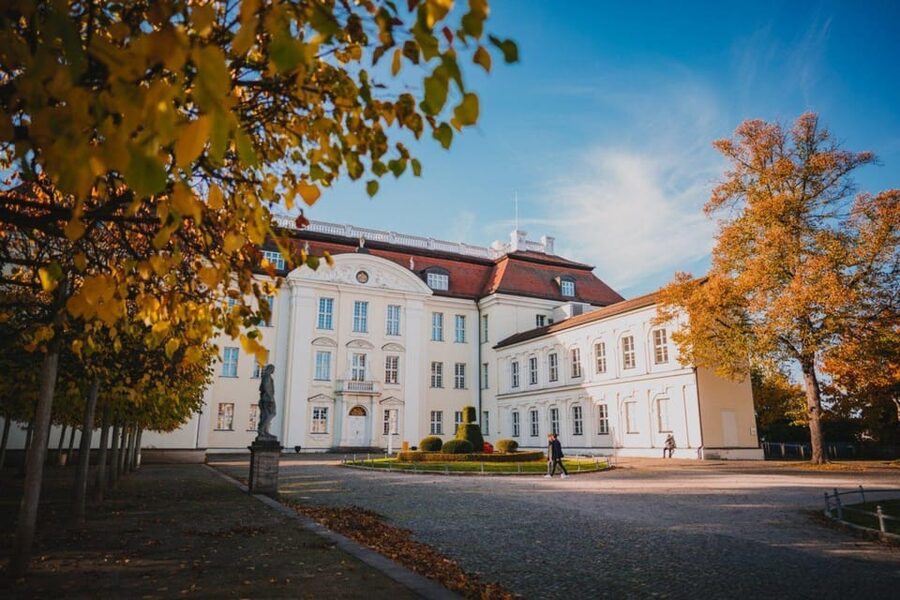
At $33 per person, this is not a bargain basement event, but it is a reasonable price for a 90-minute classical concert in a palace setting. The included museum admission improves the value. You can turn the ticket into a broader cultural outing rather than paying only for the performance.
The value depends on your music choice. A listener who already loves Bach, Mozart, Schubert, opera, or chamber music may find the ticket well priced. Someone with only a passing interest in classical music should choose a varied program, such as Mozart songs, arias, and duets, rather than a highly focused sonata or complete piano series.
The museum admission also gives you a useful way to make the visit feel less rushed. Since the meeting point is the Aurora Hall, plan around the concert itself and use the museum visit as an added part of your palace stop. The supplied details do not state how long the museum visit takes or whether special exhibitions are included, so you should not assume every museum feature is covered.
Comfort, sound, and the one practical warning
The strongest praise in the available feedback is simple: the music was described as excellent. That is the core reason to book. The performers and program choices are the real product, and the calendar offers enough variety to let you match the evening to your taste.
Comfort is less certain. A verified comment from September 2025 praised the music but said the hall had no cooling and became excessively hot. If you are sensitive to heat, consider the season and the expected weather, especially for warmer dates. The information provided does not promise air conditioning or a specific temperature policy.
There is also a reliability concern. A verified German-language complaint from May 2025 said that a paid event did not take place and that no response had arrived at the time of writing. That does not prove every event has a problem, but it is enough reason to confirm the current performance status close to your date and keep your booking details handy.
The activity is wheelchair accessible, which is important for visitors who need a step-free or accessible cultural outing. Some material may be presented in its original language, so vocal programs may not offer English translation throughout. Audio recording is not allowed, and alcohol and drugs are prohibited.
Free cancellation is available up to 24 hours in advance for a full refund. You can also reserve and pay later, which helps if your Berlin schedule is still taking shape. Those terms make the booking less risky, though they do not remove the need to confirm a canceled or changed performance.
Which program should you choose?
I would use the music as your main filter.
- Choose Pure Romance for two female voices and romantic vocal writing.
- Choose Mozart Songs, Arias, and Duets for the broadest vocal introduction.
- Choose Mozart Piano Works if you want a concentrated keyboard program.
- Choose Piano Magic for Four Hands for an unusual and approachable piano format.
- Choose The Music Book of Frederick the Great for recorder, harpsichord, and historical context.
- Choose Classical Violin Sonatas or Bach Violin Sonatas 2 for chamber music.
- Choose Schubert Potpourri for baritone and German art song.
- Choose Piano Music to Dream To for a quiet, soothing recital.
- Choose Iberian Sounds for soprano and guitar with a southern European flavor.
Families should note that the event is a formal classical concert, and the available details do not give a minimum age or a child-specific format. I would recommend it most strongly to adults, older children, and anyone who already knows they can sit quietly for 90 minutes.
Should you book the Aurora Hall concert?
Yes, if you want a compact classical concert in a historic Berlin venue and you are willing to choose your date carefully. The $33 price, free museum admission, and varied schedule create solid value, especially for music lovers who can match a program to their taste.
I would book the vocal or four-hand piano dates if you are new to classical music. Experienced listeners may prefer Bach, Schubert, the Mozart piano series, or the Frederick the Great program. Before paying, confirm that your chosen performance is still scheduled, check the detailed repertoire if available, and prepare for the possibility that the hall may be warm.
FAQ
Where do the concerts take place?
The concerts take place in the Aurora Hall of Köpenick Palace in Berlin.
How long is the concert?
Each concert lasts 90 minutes.
How much does admission cost?
The listed price is $33 per person.
Is museum admission included?
Yes. Free museum admission is included with the concert experience.
Is the venue wheelchair accessible?
Yes, the activity is wheelchair accessible.
Can I cancel for a full refund?
Yes. You can cancel up to 24 hours in advance for a full refund.
Do I have to pay when I book?
No. A reserve now and pay later option is available.
Can I record the concert?
No. Audio recording is not allowed.
Are the performances always in English?
No. Some content is presented in its original language, and the available information does not promise English translations for every program.
Just added around Germany
- Medieval Knight’s Dinner Show with Live Music in Munich★ 3.0 · 2 reviews
- Dresden: New Green Vault and Semper Opera Tour★ 4.5 · 19 reviews
- Nymphenburg classical music à la Mozart★ 4.7 · 3 reviews
- Festive Concert at Schleißheim with Residence-Soloists★ 4.7 · 25 reviews
- Festive Concert in the All-Saints Court Church★ 4.6 · 11 reviews
- Hamburg: St. Pauli Walking Tour with Live Music★ 4.0 · 3 reviews
- Bonn: Seniors’ cruise with live music on the MS Moby Dick★ 4.5 · 2 reviews
- Bonn: Sunday Brunch Buffet with Cologne live music★ 5.0 · 5 reviews
Classical Concerts, compared.
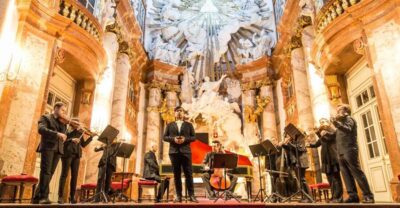
Vivaldi’s Four Seasons Concert in Karlskirche
Read our review →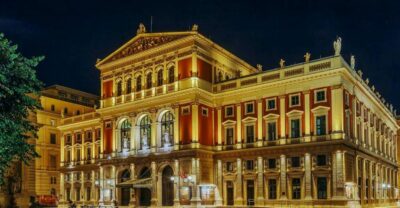
Classical Concert in the World-Famous Musikverein
Read our review →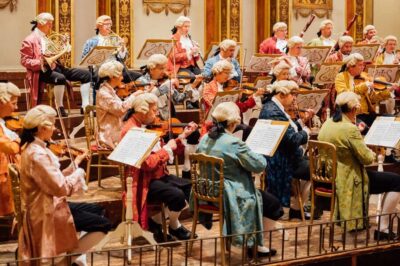
Mozart Concert at the Musikverein – Golden Hall
Read our review →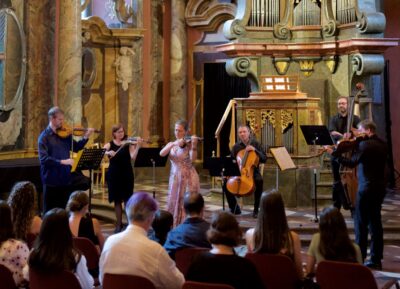
Entry Ticket Classical Concert at the Mirror Chapel
Read our review →
Classical Concert in St. Anne’s Church (Annakirche)
Read our review →
Browse the lists this tour appears in