
REVIEW · USA
New Orleans Jazz Walking Tour
Jazz still walks these streets. This two-hour New Orleans tour connects Louis Armstrong Park with Congo Square, the New Orleans Jazz Museum, and live music on Frenchmen Street. I like the way it joins music with city history, and I especially like the use of songs to bring musicians and eras to life. The main drawback is that you spend much of the tour standing, and the final live music stop does not include food or a club admission.
This is a history-first experience rather than a concert tour. Guides such as Harris Parson and Robin have earned strong praise for their storytelling, local knowledge, and personal connection to New Orleans music. If you want to understand how jazz grew from African American cultural traditions, this is a useful introduction, though younger children may lose interest during the longer historical explanations.
Key points to know before you book
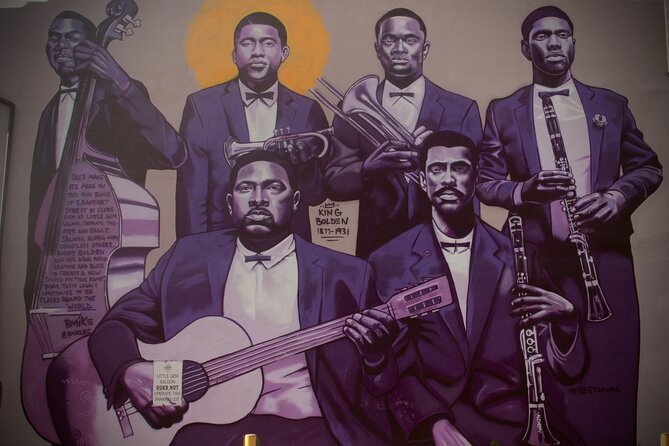
- Louis Armstrong Park begins the story: You hear about Louis Armstrong, Jelly Roll Morton, Charles Buddy Bolden, and other early jazz figures among monuments and former dance hall sites.
- Congo Square adds cultural context: The tour visits the sacred gathering place often linked with the early roots of jazz and explores the nearby Treme area.
- Music is part of the teaching: Guides may play songs connected to the musicians and periods they discuss, making the history easier to follow.
- Frenchmen Street ends the walk: The tour finishes among New Orleans music venues, including the area around Snug Harbor, the Maison, and the Spotted Cat.
- The price is reasonable for a small history tour: At $35 per person, you receive about two hours with a licensed local guide, though meals, snacks, and any separate venue costs are not included.
- Plan for standing and outdoor conditions: You need moderate physical fitness, and the tour requires you to stand for long periods.
Why this jazz walk works best early in your trip
New Orleans can feel like several cities at once. It is a port city, a Creole city, an African American cultural center, an architectural museum, and one of the world’s great music towns. A good jazz tour helps you connect those pieces instead of treating music as background noise.
I would schedule this walk near the beginning of your stay. The stories about musicians, neighborhoods, architecture, and social life can make later visits to clubs and historic streets more meaningful. One participant specifically found that taking the tour changed how they enjoyed the rest of the city.
The tour is not built around a long performance. Instead, your guide explains how jazz developed and uses music to support the story. That distinction matters. If you want two hours of uninterrupted live playing, choose a club. If you want to understand why certain places and people matter, this tour is the better fit.
The experience is offered in English and uses a mobile ticket. The advertised price is $35 per person, which is fair for a guided walk with a local cultural ambassador. You are paying for interpretation, not transportation, dining, or a reserved seat at a concert.
More Jazz Shows around New Orleans:
- New Orleans Steamboat Natchez Jazz Cruise with Dinner Option
★ 4.0 · 7,533 reviews - New Orleans Steamboat Natchez Jazz Cruise
★ 4.5 · 5,334 reviews - New Orleans: Evening Steamboat Jazz Cruise + Optional Dinner
★ 4.3 · 4,548 reviews
Starting among the monuments at Louis Armstrong Park
The meeting point is Louis Armstrong Park at 701 North Rampart Street. This is a sensible starting place because the park brings together several important threads of New Orleans music and African American history.
You begin with the early pioneers of jazz and the places where the music first took hold. Louis Armstrong is the obvious name, but the conversation also includes Jelly Roll Morton and Charles Buddy Bolden. These figures help show that jazz was not created by one person in one moment. It grew through musicians, neighborhoods, dance halls, family traditions, and changing social conditions.
Plan on about 40 minutes here. The admission is listed as free, but the real value comes from the guide’s explanation of what you are seeing. Monuments can be easy to glance at and forget. A strong guide gives them names, dates, personalities, and musical connections.
Harris Parson receives especially warm praise for making this part feel personal. He is described as a New Orleans native, drummer, musician, oral historian, and cultural ambassador. Those qualities matter because the tour is not just a list of famous names. His approach includes anecdotes, questions, and music clips, which can make the early story easier to remember.
Robin has also been praised for pairing music with different periods and styles. If she leads your group, you may find that the songs do as much teaching as the spoken explanation.
The drawback is pace. Forty minutes in a park can feel long if you are mainly interested in hearing live jazz. The opening portion is best for anyone who enjoys context and does not mind pausing to listen.
Visiting the St. Pierre Hotel and the New Orleans Jazz Museum
The second portion lasts about 40 minutes and focuses on the New Orleans Jazz Museum, described here in connection with the St. Pierre Hotel, where Louis Armstrong stayed when performing in New Orleans.
This stop gives the tour a more personal angle. Instead of discussing Armstrong only as a famous name, you connect him with a real place in the city. That sort of detail can make the past feel less distant. You may also hear about the first jazz museum and the role of New Orleans as a place where musicians performed, recorded, traveled through, and built reputations.
The museum stop is especially useful if you are new to jazz. You do not need a technical background to follow the discussion. The guide explains the people, musical styles, and social forces in plain terms, then answers questions as the group moves along.
Several accounts praise the way Harris explains more than music. His discussions can include city history, architecture, and the circumstances that shaped musicians’ lives. That wider view is one of the tour’s strongest features. Jazz did not develop in isolation from housing, race, work, migration, religion, and neighborhood life.
The supplied information lists admission as free for this stop. Since the tour is about two hours in total, do not expect a full museum visit with time to study every display. Think of it as a guided introduction connected to the wider walk.
Standing on the sacred ground of Congo Square
Congo Square is the emotional center of the tour. The group spends about 20 minutes here, hearing about the sacred grounds where enslaved and freed African Americans gathered on Sundays to drum, dance, and socialize.
The site is often described as one place where the origins of jazz can be traced. That wording is important. Jazz has a complicated development, and no single location can explain it all. Still, Congo Square helps you understand the African musical traditions, rhythms, movement, and community practices that became part of New Orleans music.
This stop also brings you near Treme, described as the oldest African American neighborhood in the country. The guide connects the square with the surrounding community, rather than presenting it as an isolated landmark.
I value this section because it gives the tour cultural weight. You are not simply following a celebrity trail from one building to another. You are learning about communal traditions and the people whose creativity survived difficult conditions.
The time here is brief, so the quality of the explanation matters. Ask questions if your guide allows time for them. Harris has been praised for welcoming questions from both adults and children, but the subject matter can be serious and the discussion is aimed more at mature listeners than very young children.
More Live Music around New Orleans:
- New Orleans: Daytime Steamboat Jazz Cruise + Optional Lunch
★ 4.3 · 4,164 reviews - Paddlewheeler Creole Queen Jazz Dinner Cruise in New Orleans
★ 4.0 · 1,469 reviews - New Orleans: Evening Jazz Boat Cruise with Optional Dinner
★ 4.4 · 1,024 reviews - Sunday Jazz Brunch Cruise in New Orleans
★ 4.0 · 889 reviews
Ending with live music on Frenchmen Street
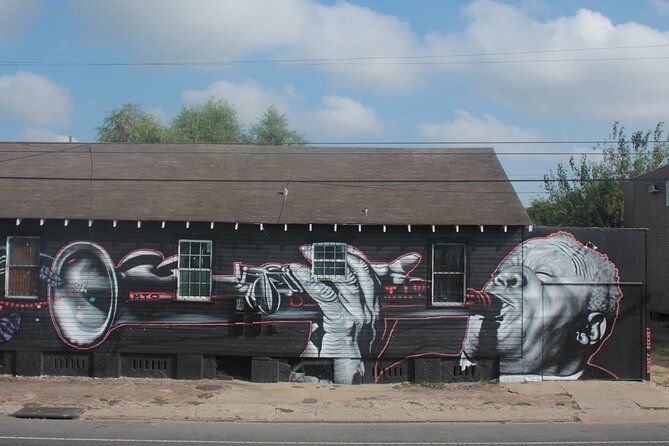
After the historical stops, the tour ends on Frenchmen Street, one of New Orleans’ best-known music streets. This final section lasts about 20 minutes, so set your expectations correctly. You will arrive in an area filled with music venues, but the walking tour itself is not a full evening of club hopping.
Frenchmen Street is known for places such as Snug Harbor, the Maison, and the Spotted Cat. The end point gives you a chance to continue the night on your own. You can use what you have learned and listen with a better sense of the city’s musical traditions.
The description presents the area as family-friendly, especially for younger visitors. Still, the tour’s historical discussion may be more interesting to adults and older children than to small children. The group also needs to stand for long periods, so families should consider both attention span and physical comfort.
Food and drinks are not included. That is easy to overlook because Frenchmen Street invites you to stay. Budget separately for any meal, snacks, drinks, or venue charges you choose after the tour.
The end point is practical because you do not have to return to the starting park. It also leaves you in one of the best areas for continuing your New Orleans evening. The guide may offer suggestions, but the supplied details do not promise reserved entry, a particular band, or a guaranteed seat.
The guides are the main reason to book
The quality of this tour depends heavily on who leads it. The strongest praise goes to Harris Parson, who is repeatedly described as warm, energetic, personable, and exceptionally well informed about New Orleans jazz and city life.
His background as a drummer and band member adds useful perspective. He can explain musicians not only as historical figures but also as working artists. That can help you hear the difference between a dry biography and a lived musical tradition.
Robin receives similar praise for her extensive music and city knowledge, her polished manner, and her use of songs during the walk. The guide roster may vary, so you should not assume a particular person unless the booking details confirm it. Still, the consistently strong comments about the guiding style suggest that the human element is a major part of the value.
I also like that the guides describe themselves as cultural ambassadors. That signals an effort to present New Orleans traditions with care, rather than reducing jazz to a tourist slogan. You will hear about celebrated musicians, but also about neighborhoods, African American cultural life, architecture, and the city’s social past.
How much walking and standing should you expect?
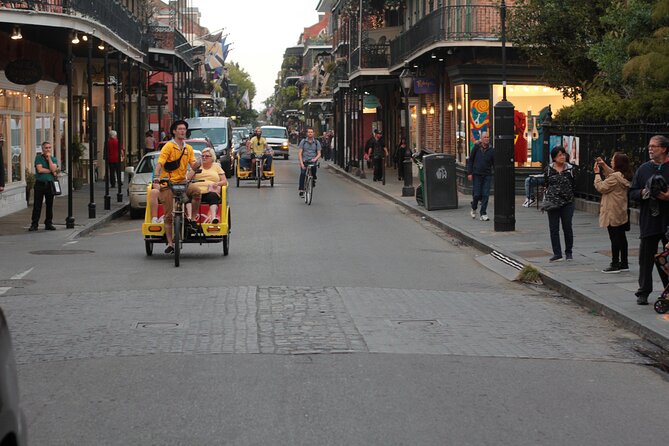
The tour lasts about two hours and requires a moderate level of physical fitness. You should be able to stand for long periods and walk between stops in outdoor conditions.
No exact walking distance is provided, so I would not book this if you need frequent seating or have difficulty remaining on your feet. Wear comfortable shoes and consider the weather before setting out. The activity requires good weather, and a cancellation caused by poor conditions may result in another date or a full refund.
The group can include up to 28 people, with a minimum of two required for operation. That maximum is not tiny, so your experience may feel more like a proper group walk than a private conversation. If you want a private tour, the provider asks you to call for details.
The mobile ticket and central meeting point make arrival simple. The tour starts at Louis Armstrong Park and finishes on Frenchmen Street, so you should plan your day around that one-way route rather than expecting to end where you began.
What $35 buys you
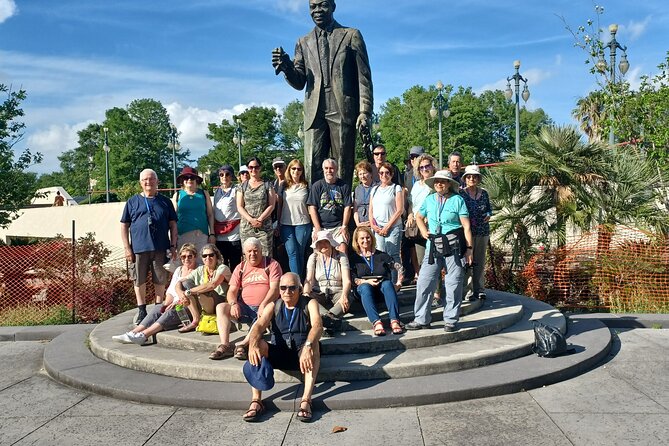
At $35, this is a modestly priced cultural experience. The fee includes a licensed native New Orleans guide, guided interpretation, and what the provider calls a lagniappe, or something extra.
That extra value comes from the connections between stops. You are not paying simply to walk through a park or reach Frenchmen Street. You are getting a guided explanation of why Armstrong, Bolden, Morton, Congo Square, Treme, and Frenchmen Street belong in the same story.
The price is strongest for first-time visitors who want a foundation before visiting jazz clubs. It is also useful for music fans who know recordings but want more city context. If you already have extensive knowledge of New Orleans jazz and prefer live performance to discussion, the value may feel lower.
Because food, snacks, and dinner are excluded, treat $35 as the cost of the educational walk only. You will likely want to plan an additional meal or music stop afterward, especially since the tour finishes in an area known for nightlife.
Who will enjoy this most?
I would recommend the walk to:
- First-time visitors who want context before exploring New Orleans on their own
- Jazz fans interested in musicians, neighborhoods, and cultural origins
- Adults and older children who enjoy history told through stories and music
- Families with children who can manage a mature subject and long periods of standing
- Visitors who want a local guide rather than a self-guided list of landmarks
- Anyone planning to spend an evening on Frenchmen Street
I would be more cautious if you have very young children, limited stamina, or little interest in historical explanation. One family found the guide excellent but noted that the material was not especially suited to younger children. That is a useful warning, not a flaw: this is a serious history walk with musical touches, not a children’s entertainment program.
The tour also requires at least two participants unless arranged privately. If you are traveling alone, confirm the operating situation before relying on it as a fixed part of your schedule.
Should you book the New Orleans Jazz Walking Tour?
Yes, if you want to understand the people and places behind New Orleans music. At $35, the tour offers a sensible introduction to Louis Armstrong Park, Congo Square, Treme, the St. Pierre Hotel connection, and Frenchmen Street.
Book it early in your visit if possible. The tour can give you useful bearings for the rest of your stay, and the stories may change how you listen when you later enter a club.
Skip it if you want a performance-heavy night, guaranteed club admission, or a short walk with plenty of sitting. For everyone else, especially those lucky enough to have Harris Parson or Robin as a guide, this is a thoughtful and fairly priced way to meet New Orleans through its music.
FAQ
How much does the New Orleans Jazz Walking Tour cost?
The tour costs $35 per person.
How long does the tour last?
The tour lasts approximately two hours.
Where does the tour begin?
It begins at Louis Armstrong Park, 701 N Rampart Street, New Orleans, Louisiana 70116.
Where does the tour end?
The tour ends on Frenchmen Street in New Orleans.
Is live music included?
The route finishes on Frenchmen Street, where you can find live jazz at venues such as Snug Harbor, the Maison, and the Spotted Cat. The tour information does not promise a specific performance, reserved seat, or club admission.
Are food and drinks included?
No. Snacks, lunch, and dinner are not included.
How many people are required for the tour to operate?
The tour operates with a minimum of two people. It can accommodate a maximum of 28 people. A private tour may be available by contacting the provider.
Can I cancel for a full refund?
Yes. You can cancel at least 24 hours before the local start time for a full refund. Cancellations or changes made less than 24 hours before the start time are not refunded or accepted. If poor weather causes the tour to be canceled, you will be offered another date or a full refund.
Just added around New Orleans
- The Soul of New Orleans: Jazz History Private Tour★ 5.0 · 4 reviews
- Small-Group New Orleans Jazz Tour★ 4.5 · 16 reviews
- Private VIP Frenchmen Street Live Music Pub Crawl New Orleans★ 4.5 · 17 reviews
- New Orleans Jazz History and New Orleans People of Color★ 5.0 · 2 reviews
- Citywide Driving Tour with Local Jazz Musician★ 5.0 · 135 reviews
- Creole Queen Weekend Jazz Brunch Cruise on the Mississippi River★ 4.0 · 6 reviews
- New Orleans: Jazz Walking Tour★ 5.0 · 4 reviews
- New Orleans: Dew Drop Inn Guided Tour with Live Blues Show★ 5.0 · 5 reviews
Jazz Shows, compared.
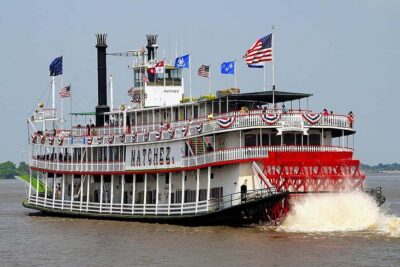
New Orleans Steamboat Natchez Jazz Cruise with Dinner Option
Read our review →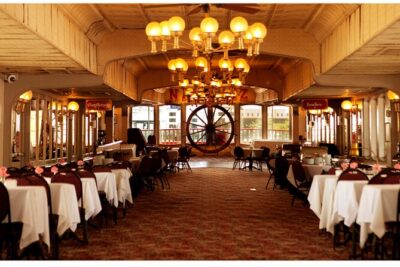

Evening Steamboat Jazz Cruise + Optional Dinner
Read our review →Daytime Steamboat Jazz Cruise + Optional Lunch
Read our review →
Catamaran Cruise with optional Live Jazz Music
Read our review →
Paddlewheeler Creole Queen Jazz Dinner Cruise in New Orleans
Read our review →Browse the lists this tour appears in