
REVIEW · USA
New Orleans Jazz History and Music Walking Tour
Jazz starts with a walk. This New Orleans tour links Tremé, Congo Square, and the French Quarter with live music, local stories, and a guide who knows how the city’s sound grew. I like the small maximum of 12 people, and I like that your booking helps support local musicians and venues. The main consideration is the 1.5-mile route, which can feel long in heat, rain, or uncomfortable shoes.
The $60.56 price makes better sense when you count the guide, the history, a complimentary drink, and entry to a live music stop. Guides such as Kristi, Adam, and Andre have been praised for their passion and local insight, though the exact club route and the balance between social history and music can vary from one guide to another.
Key points to know before you book
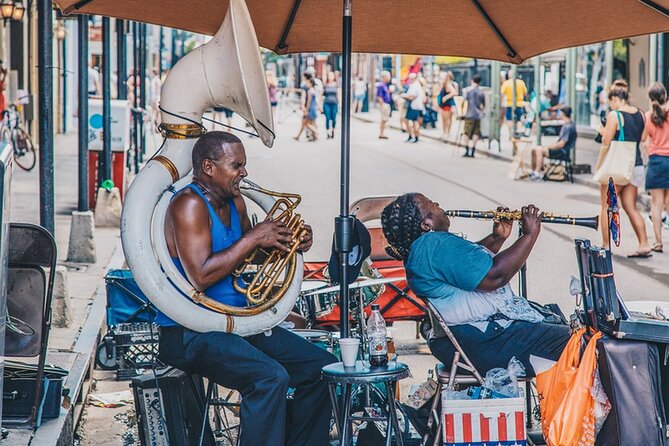
- Congo Square gives the tour its historical heart: You learn how African, Caribbean, European, enslaved, and free Black traditions helped shape jazz.
- Louis Armstrong Park is the opening lesson: The tour begins in Tremé, with time to discuss Armstrong, early jazz, and the people who built New Orleans music.
- The route may finish with live music in two settings: Your guide may use Bourbon Street, Frenchmen Street, or both, depending on the evening and music available.
- Small groups make a real difference: With no more than 12 people, it is easier to hear stories, ask questions, and stay together on city streets.
- One drink is included: Additional drinks and food cost extra, and tips for the guide and musicians are not included.
- Book early if your dates are fixed: This experience is often reserved about 33 days ahead, so popular evenings may fill before your trip.
Why this tour works best as an introduction to New Orleans
New Orleans jazz is not just a style of music. It is tied to neighborhoods, religion, race, migration, public gathering, nightlife, and the daily life of the city. This tour helps you hear those connections while walking through the places where the story took shape.
I like the structure. You begin outside the main French Quarter crowds, learn about early musical roots in Tremé and Congo Square, then move toward the clubs. By the time you hear live music, you have a clearer idea of what you are listening for.
The tour lasts about two and a half hours. That is long enough to cover real ground without turning into an all-day march. The pace is described as manageable, but you will walk about 14 blocks, or roughly 1.5 miles. Wear supportive shoes. This is New Orleans, so uneven pavement, warm evenings, and sudden weather can make a short distance feel longer.
The small group is one of the strongest features. Twelve people is still enough for a social outing, but it is far more personal than a large city tour. Some departures may be much smaller. That matters when your guide is explaining music in a noisy park or helping the group choose a club for the evening.
More Jazz Shows around New Orleans:
- New Orleans Steamboat Natchez Jazz Cruise with Dinner Option
★ 4.0 · 7,533 reviews - New Orleans Steamboat Natchez Jazz Cruise
★ 4.5 · 5,334 reviews - New Orleans: Evening Steamboat Jazz Cruise + Optional Dinner
★ 4.3 · 4,548 reviews
Louis Armstrong Park and Tremé set the stage
The meeting point is at 701 North Rampart Street, near the French Quarter and Louis Armstrong Park. The opening section lasts about 35 minutes and takes place in the park, where the guide introduces the roots of jazz and the life of Louis Armstrong.
This is a smart place to begin. Armstrong is one of the best-known names in jazz, but the music did not appear from one person alone. Starting in Tremé gives the guide room to explain the neighborhood, the musicians, and the cultural forces that helped form the sound.
You will also pass the Mahalia Jackson Theater of the Performing Arts. It is named for the New Orleans-born gospel singer, adding another piece to the city’s music story. The stop is not simply a list of famous names. It helps connect gospel, jazz, public performance, and the city’s long musical life.
Louis Armstrong Park also gives you a brief chance to pause before the street walking begins. One useful feature is that the guide may use short music clips to illustrate early jazz. This can help you hear the change from one style to another, but a phone speaker may be difficult to hear if the park is noisy or an event is taking place nearby.
That is a small but practical point. If you have trouble hearing, move close to the guide and ask questions. A small group should make that easy.
Congo Square explains where the sound began
The final part of the tour focuses on Congo Square, an important site for understanding New Orleans music. Enslaved people and free people of color were allowed to gather and socialize there, creating space for music, dance, and cultural exchange.
The tour explains how West African and Caribbean sounds met European musical ideas in New Orleans. That meeting did not produce jazz overnight, but it helps explain why New Orleans developed such a distinct musical identity.
I find this one of the most valuable parts of the experience because it puts the clubs into context. You are not just being taken to hear a band. You are learning why rhythm, improvisation, call and response, brass instruments, and public performance matter so much here.
The discussion may also include the difficult social and economic conditions surrounding musicians and historic neighborhoods. That is relevant, but it may not be exactly what every participant expects. If you mainly want a lesson about musical forms, famous players, and jazz recordings, ask your guide to include those subjects clearly.
One departure received criticism for spending too much time on political and economic issues and too little on jazz itself. That appears to be an occasional guide-style issue rather than the stated aim of the tour, but it is worth knowing. The intended focus is the origin of jazz, the people and places tied to it, and the current music scene.
The French Quarter turns history into a night out
After the park, you enter the Vieux Carré, the oldest part of New Orleans. This section is less formal than the opening. You walk through historic streets while the guide explains how music fits into the neighborhood today.
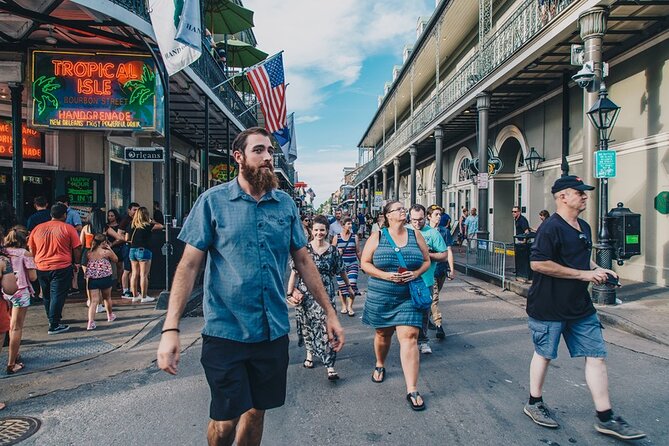
The route may include Bourbon Street. Here, the guide discusses the street’s history and the residential and commercial spaces connected with blues and jazz musicians. You may also pass through the French Market and encounter a busker.
Bourbon Street is famous, but it is not always the best place to hear serious jazz. Its value on this tour is partly historical. The guide helps separate the street’s party reputation from the wider story of the musicians and venues that made the French Quarter important.
Your guide may instead take you toward Frenchmen Street, where live music venues are concentrated. Frenchmen is often the more music-centered part of the walk, but the exact route depends on the evening. The guide chooses a route intended to give you the best chance of hearing good music.
That flexibility is useful. New Orleans music schedules change, venues vary, and a guide who is active in the local scene can make better choices than a fixed route printed months in advance. The tradeoff is that your experience may not match someone else’s exactly.
More History and Heritage Tours around New Orleans:
- The Soul of New Orleans: Jazz History Private Tour
★ 5.0 · 4 reviews - New Orleans Jazz History and New Orleans People of Color
★ 5.0 · 2 reviews - Porto: An Intimate Fado Show in a Historical Tavern
★ 4.8 · 2,055 reviews - Vienna Mozart Concert in Historical Costumes at the Musikverein
★ 4.5 · 888 reviews
Live music is the payoff, not just an add-on
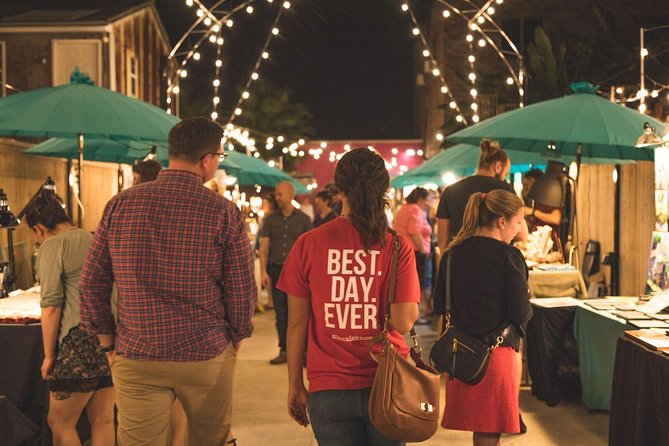
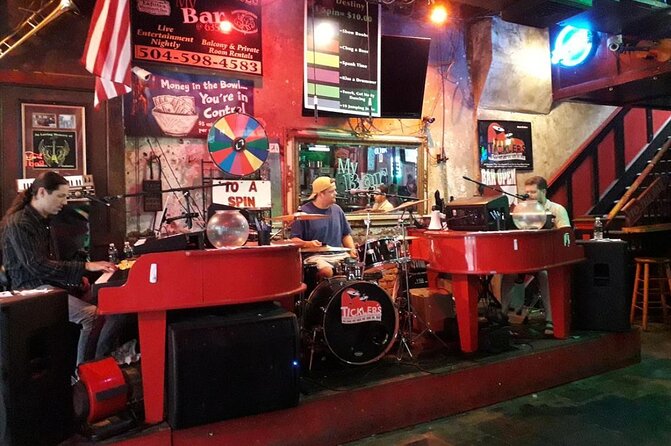
At one point, the guide takes you into a live jazz or music venue. You receive one complimentary drink, and you are welcome to buy more if you wish. Food and extra drinks are not included.
The live stop gives the tour energy. You have spent time learning about the music, and now you can hear a working band in a real club rather than through a recording or museum display. The setting also helps you understand how New Orleans music functions as part of everyday nightlife.
In practice, the evening can include two clubs. Some groups have visited one venue in the French Quarter and another on Frenchmen Street, hearing different bands in each. Another route may focus on one main music stop. The guide selects the plan based on the night’s options.
That is an important value point. The tour does not promise a specific band, set, or venue in the information provided. You are paying for informed guidance and access to the local scene, not a guaranteed performance by a named musician.
Preservation Hall may be part of the walk. This historic French Quarter venue works to protect, preserve, and continue traditional New Orleans jazz. You may pass by it rather than attend a performance there, so do not assume the tour includes a ticket to Preservation Hall.
Some evenings have featured musicians connected with Preservation Hall, and one reported outing included a performance by Delfeayo Marsalis. Those details show what can happen, but they are not guarantees. The sensible approach is to enjoy the music selected for your evening and ask the guide for recommendations afterward.
Guides make or break the experience
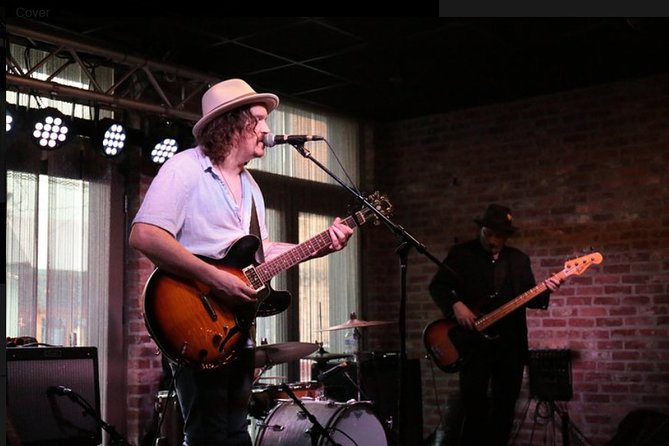
The strongest part of this tour is the guide. Kristi has been praised for combining local knowledge, music experience, and an easy personal style. She is also a musician, which helps when explaining how the city sounds from a performer’s point of view.
Adam has received similar praise for his passion, stories, and ability to explain jazz history. Andre has also been singled out for giving a strong account of the music’s past before leading the group to live venues.
I would book this tour partly for that local perspective. A guide who knows the city’s clubs can explain when to arrive, how to find music listings, and how to choose among venues after the tour ends. That advice may be more useful than a fixed list of famous places because it helps you plan the rest of your stay.
The guide also shapes the amount of history you receive. Some people will enjoy the wider discussion of race, neighborhoods, musicians’ working lives, and the city’s economy. Others will want more detail on jazz styles, instruments, recordings, and individual artists.
If your interest is strongly musical, say so at the beginning. Ask about the musicians you want to learn about. The small group makes it easier to steer the discussion without disrupting the walk.
What the $60.56 price really covers
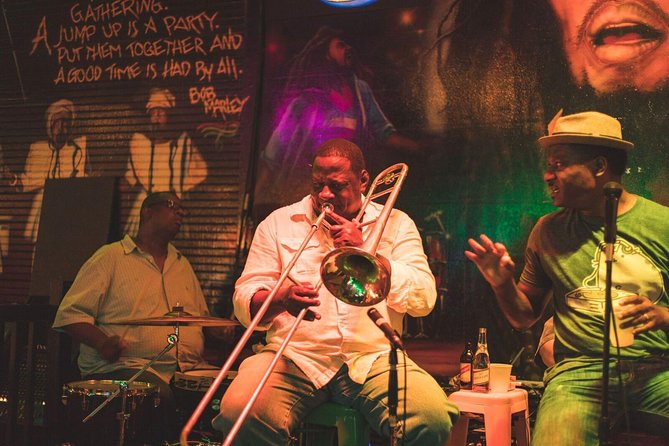
At $60.56 per person, this is not a cheap way to spend an evening. But it is more than a basic walking tour. The price includes approximately two and a half hours with a local guide, the Tremé and French Quarter walk, the Congo Square discussion, a live music stop, and one drink.
The guide is also helping you make sense of a city where it can be hard to know which venues fit your interests. That guidance has value, especially on a first visit. You may leave with ideas for the rest of your evening and the rest of your trip.
The cost is easier to justify if you would otherwise pay for a separate history walk and then spend time choosing a club on your own. It is less attractive if you already know New Orleans music well or mainly want a full concert. In that case, buying a ticket directly for a performance may give you more music for less money.
Remember to budget for extra drinks and gratuities. Tips for the guide and musicians are not included. Since the tour supports local jazz musicians and venues through participation, tipping is a useful way to show further appreciation for the people doing the work.
Practical details that affect your evening
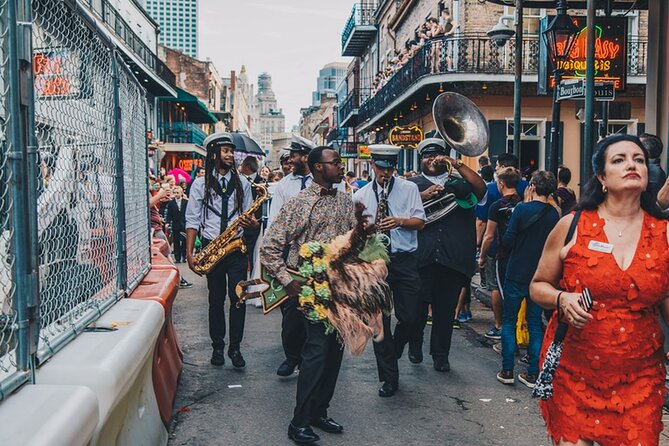
The tour is offered in English and uses a mobile ticket. It begins at 701 North Rampart Street and ends somewhere in the French Quarter, at a central location around the same general area.
The route is near public transportation, which helps if you are staying outside the central neighborhoods. Since the end point is described generally rather than as one fixed street address, keep your evening plans flexible after the tour.
Anyone under 21 cannot join. Most people can participate, but the walk covers about 1.5 miles. Supportive shoes are essential, and you should prepare for the local weather. The activity requires good weather, with another date or a full refund offered if poor conditions cause cancellation.
You can cancel for a full refund up to 24 hours before the start time. Changes or cancellations made within 24 hours are not accepted for a refund.
Book this near the start of your New Orleans stay if you can. The walk gives you practical ideas for clubs and neighborhoods, and several people wished they had done it earlier. The tour may help you choose where to return later, when you can settle in for a longer set.
Who should book this jazz walk
I would choose this tour for a first visit to New Orleans, especially if you want music and history in the same evening. It suits solo visitors, couples, and small groups who enjoy walking, asking questions, and hearing live music without planning every stop themselves.
It is also a good fit if you are curious about the origins of jazz but do not know the city’s neighborhoods. The route gives you a basic map of Tremé, Congo Square, the French Quarter, Bourbon Street, and possibly Frenchmen Street.
You may want another plan if you dislike walking, are under 21, want a guaranteed performer, or prefer a quiet seated concert. It may also disappoint if you expect every minute to focus on musical technique and famous jazz figures.
For the best experience, wear comfortable shoes, arrive ready to walk, tell the guide what you want to learn, and keep your schedule open after the tour. If the group is small and the guide is one of the particularly music-focused leaders, the evening can feel close to a private introduction to New Orleans jazz.
Should you book the New Orleans Jazz History and Music Walking Tour?
Yes, if you want a friendly starting point for New Orleans music rather than a single concert. The strongest reasons are the Tremé and Congo Square context, the small group, the chance to hear live music, and the useful club advice you receive from a local guide.
The tour is not perfect for everyone. The route can vary, one drink is modest, and the history may sometimes lean toward social issues rather than musical detail. Still, at $60.56, it offers a solid mix of walking, local context, and live music for a first night in the city.
FAQ
How long does the New Orleans Jazz History and Music Walking Tour last?
The tour lasts approximately two hours and 30 minutes.
How far do you walk?
The tour covers about 14 blocks, or approximately 1.5 miles, on foot.
Where does the tour begin?
It begins at 701 N Rampart Street, New Orleans, Louisiana 70116, near Louis Armstrong Park and the French Quarter.
Where does the tour end?
It ends in the French Quarter at a central location around the French Quarter area.
Is live music included?
Yes. The guide takes you to a live jazz or music venue selected for the evening. The exact route, venue, and performers can vary.
Is a drink included?
Yes. One complimentary drink is included at a music stop. Additional drinks and food cost extra.
Can people under 21 join the tour?
No. Travelers under 21 are not permitted to participate.
What happens if the weather is poor?
If bad weather causes the tour to be canceled, you will be offered a different date or a full refund. You can also cancel up to 24 hours before the start time for a full refund.
Just added around New Orleans
- The Soul of New Orleans: Jazz History Private Tour★ 5.0 · 4 reviews
- Small-Group New Orleans Jazz Tour★ 4.5 · 16 reviews
- New Orleans Jazz Walking Tour★ 5.0 · 80 reviews
- New Orleans Jazz History and New Orleans People of Color★ 5.0 · 2 reviews
- Private VIP Frenchmen Street Live Music Pub Crawl New Orleans★ 4.5 · 17 reviews
- Citywide Driving Tour with Local Jazz Musician★ 5.0 · 135 reviews
- Creole Queen Weekend Jazz Brunch Cruise on the Mississippi River★ 4.0 · 6 reviews
- New Orleans: Jazz Walking Tour★ 5.0 · 4 reviews
Jazz Shows, compared.
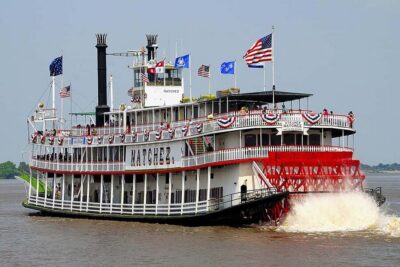
New Orleans Steamboat Natchez Jazz Cruise with Dinner Option
Read our review →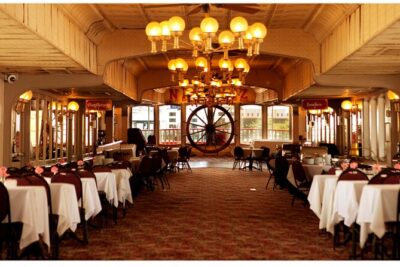

Evening Steamboat Jazz Cruise + Optional Dinner
Read our review →Daytime Steamboat Jazz Cruise + Optional Lunch
Read our review →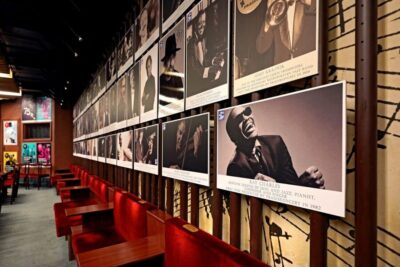

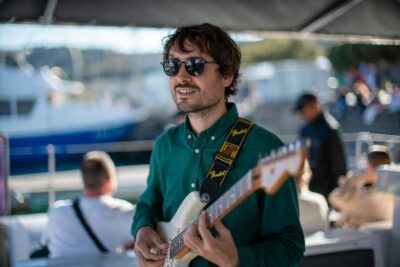
Catamaran Cruise with optional Live Jazz Music
Read our review →
Paddlewheeler Creole Queen Jazz Dinner Cruise in New Orleans
Read our review →Browse the lists this tour appears in